US judge blocks Trump's voter database, citing privacy and voting rights
Synopsis
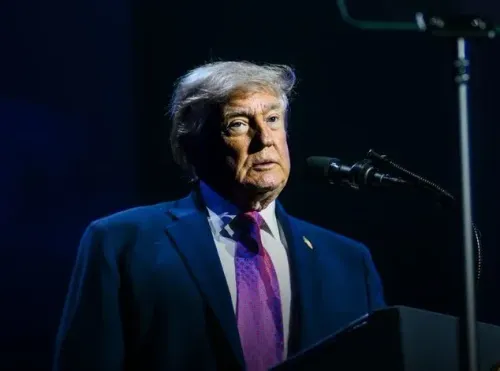
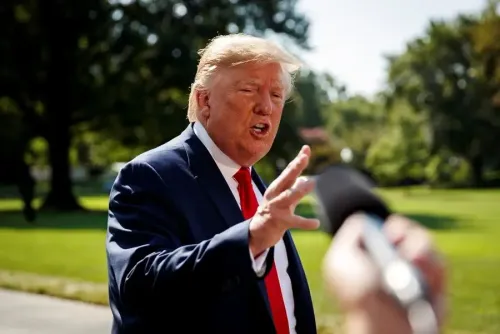
A federal judge has ordered the Trump administration to shut down and dismantle a sweeping voter-verification database, finding it trampled on privacy rights and caused eligible US citizens to be wrongly removed from voter rolls. The ruling directly challenges Executive Order 14248 — the centrepiece of Trump's election overhaul — and sets up a high-stakes legal battle ahead of the 2026 midterms.
Key Takeaways
Judge Sparkle Sooknanan of the US District Court for the District of Columbia struck down the Trump administration 's voter-verification database on 23 June .
The database was built under Executive Order 14248 , signed by President Trump in March 2025 , requiring proof of citizenship for federal voter registration.
Federal agencies repurposed the DHS SAVE system using citizenship data the judge found 'known to be unreliable.' Several states had already used the database to remove eligible US citizens from voter rolls, according to the ruling.
The lawsuit was led by the League of Women Voters , filed in September by a coalition of voting-rights and privacy advocates.
The administration is expected to appeal; the outcome could significantly affect federal election administration ahead of the 2026 midterms.
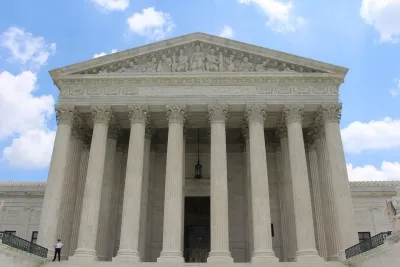
A US federal judge has struck down a Trump administration database that aggregated the private information of millions of American citizens, ruling it unlawful on 23 June after evidence emerged that several states had used it to wrongly remove eligible voters from voter rolls. The ruling, issued by Judge Sparkle Sooknanan of the US District Court for the District of Columbia, marks a significant judicial rebuke of the administration's sweeping election overhaul agenda.
What the Court Found
Judge Sooknanan was unsparing in her assessment. 'The federal government has knowingly trampled on the privacy rights of American citizens in a manner that threatens the sacred right to vote. This Court cannot stand idly by while that happens,' she wrote in the ruling.
The judge found that federal agencies, scrambling to implement an executive order aimed at reshaping federal elections, had 'haphazardly combined and repurposed the private information of millions of Americans, including citizenship data that they knew to be unreliable.' She further noted that states had already begun partnering with the federal government to access the database and were 'actively removing United States citizens from voter rolls based on inaccurate information.'
The Database and Executive Order Behind It
The disputed database originated from Executive Order 14248, signed by President Donald Trump in March 2025, which sought to overhaul US federal elections and require documentary proof of citizenship for voter registration. The order directed agencies including the US Department of Homeland Security (DHS) and the Social Security Administration to build systems enabling state and local authorities to verify the citizenship or immigration status of registered voters.
Central to the controversy was the administration's repurposing of the Systematic Alien Verification for Entitlements (SAVE) system — a DHS-maintained tool originally designed to verify citizenship and immigration status for benefits eligibility — into a broader voter-verification database. Critics argued the data within SAVE was never intended or validated for this use.
The Lawsuit and Who Brought It
The ruling came in response to a lawsuit filed in September by a coalition of voting-rights and privacy advocates led by the League of Women Voters. The coalition challenged the administration's changes to the SAVE system, arguing the repurposing of sensitive personal data violated both privacy law and citizens' voting rights.
In a statement on Monday, the League of Women Voters said 'a Trump-Vance administration attempt to unlawfully meddle in elections was struck down today, as a federal judge ordered the administration to end and disentangle a massive government database.' The group added that the database 'consolidates millions of Americans' sensitive and legally protected personal information, leaving them vulnerable to baseless investigations and being unlawfully purged from voter rolls.'
Broader Implications
Judge Sooknanan framed the case in explicitly constitutional terms: 'This case implicates two fundamental rights that protect Americans from government overreach: the right to privacy and the right to vote.' The ruling orders the administration to cease and unwind the database, though the administration is widely expected to appeal.
This comes amid a broader pattern of legal challenges to the Trump administration's election integrity initiatives, several of which have faced court setbacks since 2025. The decision could have significant downstream effects on similar voter-verification efforts underway in multiple states. How the administration responds — and whether higher courts ultimately uphold or overturn the ruling — will shape the legal landscape for federal election administration ahead of the 2026 midterm cycle.
Point of View
And the court said so plainly. What is notable is that the judge did not merely find procedural violations; she found the government knowingly used data it knew to be unreliable. That is a damning factual finding, not just a legal one. The broader pattern — executive orders reshaping election infrastructure, followed by court reversals — suggests the administration is testing legal boundaries faster than the courts can contain them. With the 2026 midterms approaching, the speed of any appeal and the appellate court's posture will matter enormously.
NationPress
23 Jun 2026
Frequently Asked Questions
Why did the US judge block the Trump administration's voter database?
Judge Sparkle Sooknanan ruled the database unlawful because federal agencies haphazardly combined private data — including unreliable citizenship records — and states used it to wrongly remove eligible citizens from voter rolls. She found it violated both the right to privacy and the right to vote.
What is Executive Order 14248 and what does it require?
Executive Order 14248 was signed by President Trump in March 2025 to overhaul federal elections, requiring documentary proof of citizenship for voter registration. It directed agencies including the DHS and Social Security Administration to build voter-citizenship verification systems for use by states.
What is the SAVE system and why is it controversial here?
The Systematic Alien Verification for Entitlements (SAVE) system is a DHS tool originally designed to verify citizenship and immigration status for benefits eligibility. The administration repurposed it for voter verification, which critics — and now the court — argued it was never designed or validated for.
Who filed the lawsuit that led to this ruling?
The lawsuit was filed in September by a coalition of voting-rights and privacy advocates led by the League of Women Voters. They challenged the administration's changes to the SAVE system, arguing it violated privacy law and threatened citizens' voting rights.
What happens next after the court ruling?
The court has ordered the administration to end and dismantle the database. The Trump administration is widely expected to appeal the decision. The outcome of any appeal will have major implications for federal election administration ahead of the 2026 midterm elections.