19 US lawmakers slam Meta's 2026 election safeguards over AI deepfake risk
Synopsis
Nineteen US lawmakers have put Meta on notice: its decision to scrap professional fact-checking in favour of crowd-sourced Community Notes, combined with an AI landscape that can generate convincing fake political personas and deepfake campaign ads, makes the platform a liability heading into the 2026 elections. The 'Emily Hart' case — a synthetic Indian-made MAGA influencer who racked up millions of views before being removed — is the sharpest illustration yet of how quickly the threat has outpaced the platform's defences.
Key Takeaways
19 US lawmakers led by Congressman Kevin Mullin sent a formal letter to Mark Zuckerberg on 18 August demanding answers on Meta's 2026 election-integrity plans.
Meta discontinued its third-party fact-checking programme , which had partnered with more than 90 independent organisations , replacing it with crowd-sourced Community Notes .
A synthetic AI influencer named 'Emily Hart' , reportedly created by a 22-year-old medical student in India , gained millions of views on Instagram before being removed for fraudulent activity.
Deepfake incidents were cited in Senate contests in Texas and Georgia , including a fabricated video of candidate James Talarico .
Zuckerberg has been asked to provide election-integrity staffing and budget data for 2020, 2024, and 2026 , with a response deadline of 18 September .
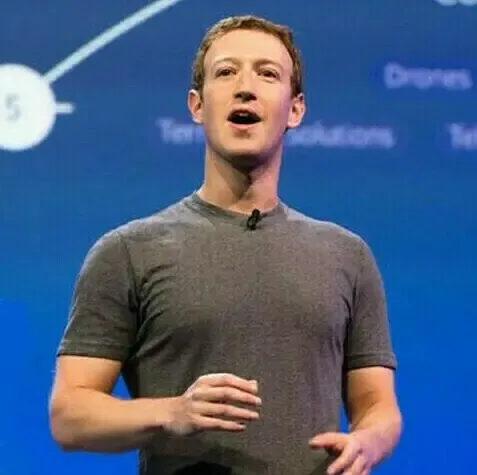
A bipartisan group of 19 US lawmakers has formally challenged Meta chief executive Mark Zuckerberg over what they describe as dangerously inadequate election-integrity measures ahead of the 2026 US elections, warning that the company's rollback of fact-checking and its expanding reliance on artificial intelligence have left American voters exposed to deepfakes and coordinated political disinformation.
The Core Complaint
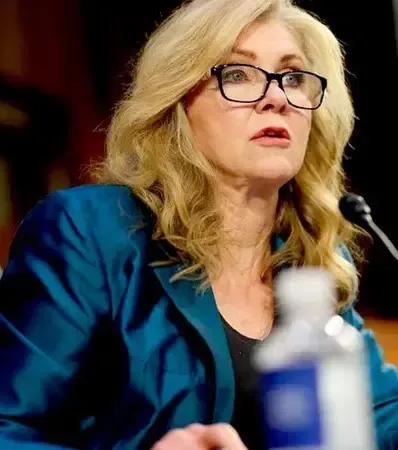
Democratic Congressman Kevin Mullin, who represents the district where Meta is headquartered, led the group in demanding detailed answers from Zuckerberg. The lawmakers focused their concerns on Facebook, Instagram, Threads, and WhatsApp — the four major platforms under Meta's umbrella — arguing that each faces rapidly evolving threats the company is ill-equipped to counter.
'Generative AI has made it easier than ever to create convincing deepfakes and other deceptive content, and we're already seeing these tactics used to influence America's elections,' Mullin said. He added that Meta 'has rolled back key safeguards over the last few years designed to prevent the spread of misinformation,' raising 'serious questions about whether it is prepared to meet today's rapidly evolving threats.'
Fact-Checking Rollback Under Scrutiny
Central to the lawmakers' criticism is Meta's decision to discontinue its third-party fact-checking programme in the United States — a system that had partnered with more than 90 independent organisations to review potentially false content. Meta replaced it with Community Notes, a crowd-sourced model that allows participating users to add context to posts.
The lawmakers argued the shift transfers the verification burden to ordinary users who, they said, may lack the time, resources, or expertise to identify sophisticated disinformation. 'We believe that Meta's approach to the 2026 election cycle is inadequate to address the threats now facing American elections — particularly given Meta's rollback of fact-checking, the automation of risk review, and the proliferation of AI-generated content on Meta's platforms,' the group wrote in their letter.
AI Personas and Deepfake Incidents Cited
The letter highlighted a striking example: 'Emily Hart', a synthetic conservative influencer reportedly created by a 22-year-old medical student in India using commercially available AI tools. The fabricated persona promoted anti-abortion and anti-immigration views, accumulating millions of views and thousands of subscribers before Instagram removed the account for fraudulent activity.
The lawmakers also pointed to deepfake incidents in Senate contests in Texas and Georgia, including an advertisement featuring a fabricated, life-like video of Texas Senate candidate James Talarico appearing to speak directly to camera — content the source describes as entirely manufactured.
What the Lawmakers Are Demanding
The group asked Zuckerberg to provide a comparative breakdown of Meta's US election-integrity staffing and budgets for 2020, 2024, and 2026. They also sought specific policies governing deepfake videos, synthetic audio, and accounts impersonating political figures, as well as disclosure requirements for paid political influencers and advertisers using AI-generated imagery or audio.
Additional questions covered dedicated reporting channels for state and local election officials, the average time taken to remove deceptive content, and an assessment of Community Notes' effectiveness. Zuckerberg has been asked to respond by 18 September.
Why This Matters for 2026
Deepfakes — AI-generated fabrications of video, voice, or images — have grown dramatically more accessible in recent years, intensifying fears that false material can circulate widely before candidates, election officials, or platforms can effectively challenge it. This comes amid a broader global reckoning with AI-driven disinformation, with regulators in the European Union and several US states already moving to mandate disclosure of AI-generated political content. Meta has not publicly responded to the letter as of the time of this report.
Point of View
And the timing could not be worse. The 'Emily Hart' episode exposes a structural gap: AI-generated personas can now scale disinformation faster than crowd-sourced corrections can catch it. The lawmakers' letter is pointed, but letters rarely move platforms; the real test is whether Congress pairs this with enforceable disclosure mandates. Without legislative teeth, Zuckerberg's September response risks being a carefully worded non-answer — and the 2026 election cycle will not wait for a follow-up hearing.
NationPress
18 Aug 2026
Frequently Asked Questions
Why are US lawmakers criticising Meta's election safeguards?
Nineteen US lawmakers argue that Meta's decision to replace its professional third-party fact-checking programme with crowd-sourced Community Notes, combined with the rapid spread of AI-generated deepfakes on its platforms, leaves American voters inadequately protected ahead of the 2026 elections. They say the burden of verifying information has been shifted to ordinary users who may lack the expertise to identify sophisticated disinformation.
What is the 'Emily Hart' case mentioned in the lawmakers' letter?
'Emily Hart' was a fabricated conservative influencer reportedly created by a 22-year-old medical student in India using AI tools. The synthetic persona promoted anti-abortion and anti-immigration views and accumulated millions of views and thousands of subscribers before Instagram removed the account for fraudulent activity. The lawmakers cited it as a concrete example of AI-enabled political manipulation on Meta's platforms.
What has Meta replaced its fact-checking programme with?
Meta discontinued its US third-party fact-checking programme — which worked with more than 90 independent organisations — and replaced it with Community Notes, a model that allows participating users to add context to posts. Critics, including the 19 lawmakers, argue this model is insufficient to counter professionally produced disinformation.
What specific information have the lawmakers asked Zuckerberg to provide?
The lawmakers asked for a comparative breakdown of Meta's election-integrity staffing and budgets for 2020, 2024, and 2026; policies on deepfake videos, synthetic audio, and impersonation accounts; disclosure requirements for paid political influencers and AI-generated political ads; and data on how quickly deceptive content is removed. Zuckerberg has been given until 18 September to respond.
How do deepfakes threaten election integrity?
Deepfakes use artificial intelligence to produce realistic but entirely fabricated videos, voices, or images of real people. Their growing accessibility means false material — such as a fabricated video of a candidate appearing to make statements they never made — can spread widely across social media before platforms, candidates, or election officials can effectively challenge it, potentially influencing voter perceptions before corrections reach the same audience.