US Senate nominees warn of China's global reach across three regions
Synopsis
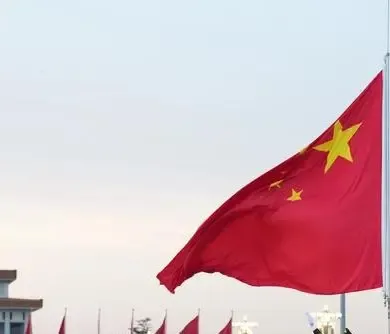
At a single US Senate hearing, nominees for ambassadorships spanning Guatemala to Tanzania to the OSCE all converged on the same warning: China is outpacing American diplomatic presence across Latin America, Africa, and Eurasia. The bipartisan alarm — punctuated by the reminder that China now fields more diplomats than any nation on earth — reveals how broadly Washington views Beijing's global push as a structural threat, not a regional one.
Key Takeaways
Juan Rodriguez , nominated as US Ambassador to Guatemala , called China's Western Hemisphere expansion a direct threat to US national security and supply chains.
William Trachman , nominated as US Ambassador to Tanzania , said China leverages influence in Africa through infrastructure and resource development.
Darrell Owens , nominated as US Permanent Representative to the OSCE , listed countering Chinese and Russian influence in Central Asia as a top priority.
Senator Jeanne Shaheen warned that China now has more diplomats than any other country on earth.
The hearing reflected a broad bipartisan consensus that Beijing's influence spans infrastructure, energy, governance, and security across multiple regions.
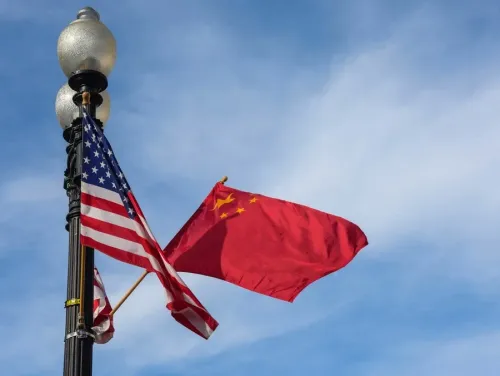
China's growing global influence dominated a US Senate Foreign Relations Committee hearing on 29 April, as several diplomatic nominees warned of Beijing's expanding strategic and economic footprint across Latin America, Africa, and Eurasia. The testimony reflected a broad bipartisan consensus that countering Chinese influence has become a defining priority for American foreign policy.
China's Reach in Latin America
Juan Rodriguez, nominated as US Ambassador to Guatemala, delivered some of the sharpest warnings of the session. "China's economic expansion in the Western Hemisphere threatens US national security, prosperity, and critical supply chains," he told the committee. Rodriguez argued that Guatemala could serve as "a key bulwark against Chinese influence in the region," underscoring Washington's strategic interest in shoring up partnerships across Central America. He tied the issue directly to migration, trade enforcement, and economic opportunity, insisting that US engagement must deliver "concrete results for Americans."
Africa: Infrastructure and Resource Competition
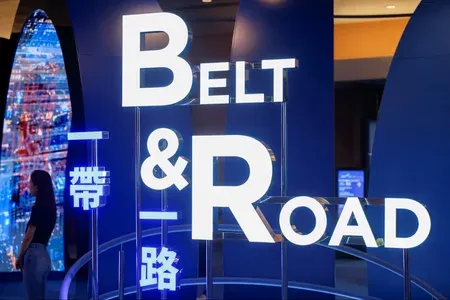
William Trachman, nominated as US Ambassador to Tanzania, flagged similar concerns on the African continent. "Tanzania operates in a highly competitive international environment," he said, noting that "China leverages influence through infrastructure projects and resource development." Trachman argued that the United States must demonstrate that partnerships "grounded in transparency offers the best path forward" — a pointed contrast to Beijing's model of engagement, which critics argue prioritises debt-driven dependency over sustainable development.
Eurasia and the OSCE Dimension
Darrell Owens, nominated as US Permanent Representative to the Organization for Security and Co-operation in Europe (OSCE), said countering "Russian and Chinese influence" in Central Asia would be among his top priorities. He described the region as an opening for deeper US engagement, particularly as Russia remains heavily committed to its war in Ukraine, leaving a strategic vacuum that China has been moving to fill.
Lawmakers Sound the Alarm
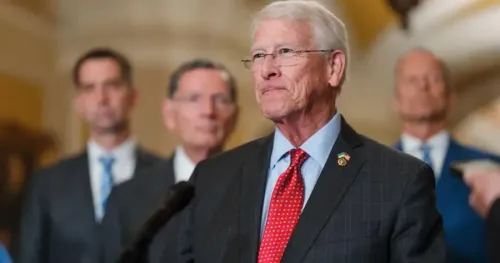
Senators reinforced the nominees' concerns. Senator Jeanne Shaheen warned that the United States faces an increasingly competitive diplomatic landscape "at a time when China has more diplomats than any other country on earth," stressing the urgency of filling vacant ambassadorial posts. George Holding, nominated to represent the US at the European Bank for Reconstruction and Development (EBRD), stressed the importance of "strategic investment" in an era of "growing great power competition." The hearing collectively signalled that Washington views Beijing's influence — spanning infrastructure, energy, governance, and security — as a multi-theatre challenge requiring a coordinated diplomatic response. The nominations come as the US steps up efforts to counter China's global outreach across every inhabited continent.
Point of View
Africa, Central Asia — at a single hearing is itself the story. It signals that Washington no longer treats Chinese influence as a bilateral or even regional problem but as a systemic, multi-theatre challenge. Yet the urgency sits awkwardly alongside the pace of filling diplomatic vacancies, a gap Senator Shaheen flagged directly. China's diplomatic corps is the world's largest; the US is still debating nominations. The real question is whether bipartisan rhetoric at confirmation hearings translates into the sustained, region-specific resourcing that countering Beijing's infrastructure-led model actually requires.
NationPress
16 Sept 2026
Frequently Asked Questions
What did US Senate nominees say about China at the April 2025 hearing?
Several diplomatic nominees testified before the US Senate Foreign Relations Committee on 29 April, warning that China's economic and strategic expansion across Latin America, Africa, and Eurasia poses a direct challenge to American security and supply chains. The hearing reflected broad bipartisan concern about Beijing's growing global footprint.
Why is Guatemala seen as important in countering China's influence?
US Ambassador nominee Juan Rodriguez argued that Guatemala could serve as 'a key bulwark against Chinese influence' in the Western Hemisphere, linking Beijing's economic expansion in the region to threats to US national security, trade enforcement, and supply chains.
How is China expanding its influence in Africa according to US nominees?
William Trachman, nominated as US Ambassador to Tanzania, said China leverages influence in Africa through infrastructure projects and resource development, and argued that US partnerships grounded in transparency offer a better alternative model.
What role does China play in Central Asia according to the OSCE nominee?
Darrell Owens, nominated as US Permanent Representative to the OSCE, said countering Russian and Chinese influence in Central Asia would be a top priority, noting that Russia's focus on Ukraine has created an opening that China has been moving to fill.
How does China's diplomatic presence compare to that of the United States?
Senator Jeanne Shaheen noted at the hearing that China now has more diplomats than any other country on earth, underscoring the urgency of filling US diplomatic vacancies to remain competitive in global influence.