Could Foreign-Made Generics Endanger American Families?
Click to start listening
Synopsis
A U.S. senator has raised alarms over the country's reliance on foreign-made generic drugs, particularly from India and China, warning that American families could be at risk. The call for urgent reforms highlights systemic weaknesses in the pharmaceutical supply chain, emphasizing safety concerns and national security risks.
Key Takeaways
- U.S. dependence on foreign generic drugs raises health risks.
- 80% of active pharmaceutical ingredients come from abroad.
- Urgent reforms are needed to ensure medication safety.
- Over 90% of antibiotics' APIs are sourced from China.
- Domestic pharmaceutical production has drastically declined.
Washington, Dec 18 (NationPress) Highlighting the serious reliance of the United States on foreign-produced generic medications, predominantly from India and China, a prominent senator has expressed concern that American households might be jeopardized by the pharmaceuticals they possess.
The increasing dependence on international sources for generic drugs and their essential components raises significant public health and national security issues, especially for elderly individuals and vulnerable communities, stated Senate Special Committee on Ageing Chairman Rick Scott on Wednesday (local time).
“Every American relying on foreign-manufactured generic drugs deserves to know the risks in their medicine cabinet,” Scott declared, emphasizing a renewed effort by the committee to spotlight what he characterized as systemic deficiencies in the U.S. pharmaceutical supply chain.
Scott has collaborated with the committee’s ranking member, Senator Kirsten Gillibrand, conducting a series of investigations, hearings, and outreach to federal agencies and industry leaders.
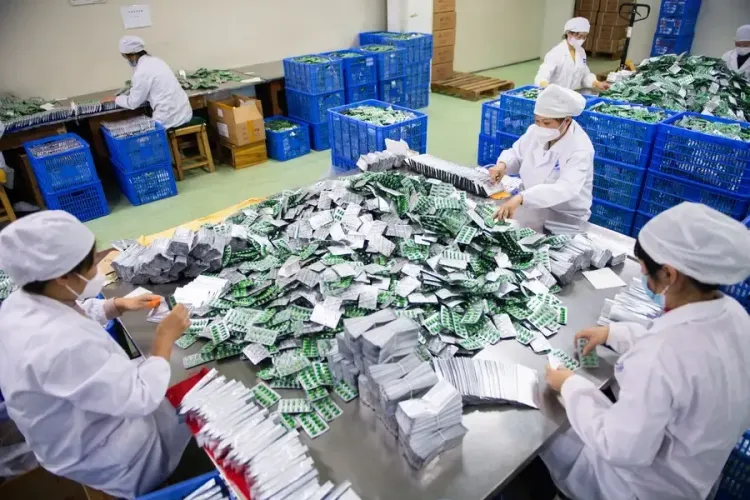
According to Scott, approximately 80 percent of the active pharmaceutical ingredients used in the generic medications consumed in the United States are imported. He accused many manufacturers of producing these products in unsafe and unsanitary conditions in facilities that are infrequently inspected, with some linked to severe health repercussions.
“These drugs can pose serious health risks to you, with some instances linked to injury or death,” Scott explained, adding that reliance on foreign suppliers also creates a strategic vulnerability.
“America’s dependence on foreign-made generic drugs isn’t just a public health threat; it’s a national security risk because the Chinese Communist Party could cut off the supply at any moment, leaving our seniors, military personnel, and every American without the medications they need.”
“While more unannounced inspections are being carried out, the FDA still performs significantly fewer inspections of foreign manufacturers compared to those in the United States and even grants waivers to foreign manufacturers to prevent supply chain disruptions,” he stated. “This poses a threat to our national security and personal safety that must be addressed immediately.”
An investigative report released by the committee illustrates a worrying trend of declining domestic production. It revealed that the U.S. produced only 37 percent of the pharmaceuticals it consumed in 2024, a drastic decrease from 83 percent in 2002. China alone is responsible for 95 percent of U.S. imports of ibuprofen, 70 percent of acetaminophen, and more than 45 percent of penicillin, according to the report.
The report also emphasized the global concentration of active pharmaceutical ingredient production. About 90 percent of APIs used in antibiotics worldwide originate in China, and 83 percent of the top 100 generic drugs consumed by Americans lack a U.S.-based source of APIs.
India plays a crucial role in the supply chain as well. While Indian manufacturers provide roughly 50 percent of all generic medications used in the United States, the report noted they rely heavily on China for approximately 80 percent of the APIs they utilize.
A 2025 study cited by the committee indicated that the incidence of serious adverse events associated with generic drugs manufactured in India was 54 percent higher than for equivalent medications produced in the United States. The study defined adverse events as hospitalization, disability, or death.
Scott emphasized that Americans should not have to “roll the dice with the safety, supply, or availability of their medication,” urging for immediate reforms to restore confidence in the pharmaceutical system.
Proposed solutions in the committee’s report include creating a federal buyer’s market for essential medicines that prioritizes domestically produced products, mapping generic drug supply chains, mandating disclosure of country of origin, utilizing trade tools such as Section 232 investigations, closing loopholes that permit foreign products to be labeled as “Made in America,” and enhancing support for U.S. biotechnology.
Concerns about pharmaceutical supply chains have amplified in Washington in recent years, especially after the COVID-19 pandemic exposed vulnerabilities in global manufacturing and logistics. Lawmakers from both parties have since raised alarms about the overdependence on foreign production for vital medications.
India and China continue to be key players in the global generic drug market, supplying affordable medicines to various markets, including the United States.
Point of View
The growing concern regarding the U.S. reliance on foreign-made generic drugs highlights the urgent need for systemic reforms. As public health and national security are at stake, it is crucial to ensure safety and availability of medications for all Americans.
NationPress
18/12/2025
Frequently Asked Questions
What are the risks associated with foreign-made generic drugs?
Foreign-made generic drugs may pose health risks due to unsafe manufacturing conditions and lack of regular inspections, potentially leading to serious health issues.
Why is U.S. dependency on foreign drugs a national security issue?
Dependency on foreign drugs is a national security concern because geopolitical tensions, especially with countries like China, could disrupt the supply of essential medications.
What reforms are being proposed to address these issues?
Proposed reforms include prioritizing American-made products, mapping supply chains, and enhancing inspections of foreign manufacturers.
How has the pharmaceutical production landscape changed in the U.S.?
The U.S. has seen a significant decline in domestic pharmaceutical production, dropping from 83% in 2002 to only 37% in 2024.
What should consumers know about their medications?
Consumers should be aware of the country of origin of their medications and understand the potential risks associated with foreign-manufactured drugs.