US spice industry urges permanent tariff shield for Indian spices in trade deal

Synopsis
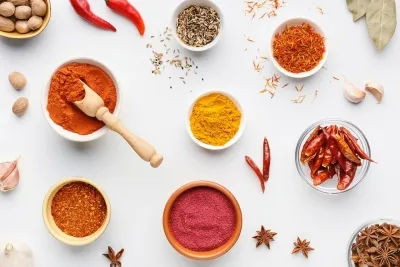
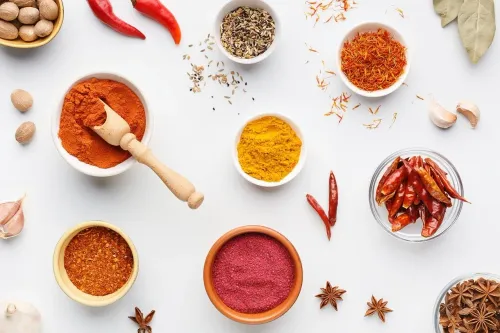
The American Spice Trade Association is pushing Washington to permanently exempt Indian spices from tariffs as a US-India trade deal takes shape — a lobbying effort backed by a hard economic reality: the US imports roughly $700 million in Indian spices a year, and most of them simply cannot be grown at commercial scale on American soil.
Key Takeaways
The American Spice Trade Association (ASTA) is seeking permanent tariff exemptions for Indian spices as part of an emerging US-India trade agreement .
The United States imports approximately $700 million worth of Indian spices annually, making India the largest spice export market for the US and the most critical trade partner for ASTA's roughly 100 member companies .
India produces more than half of the 109 spices recognised by the International Organization for Standardization .
ASTA previously secured exemptions under Section 122 and Section 301 tariffs, classifying many spices as unavailable natural resources, following 18 months of advocacy with the Indian Embassy .
Industry officials argue tariffs on spices unavailable in the US would raise costs for businesses and consumers without protecting any meaningful domestic production.
The American Spice Trade Association (ASTA) is pressing Washington to make tariff exemptions on Indian spices permanent as the United States and India move toward a broader trade agreement, arguing that a wide range of spices simply cannot be grown commercially on American soil. The push, articulated at an event at India House in Washington on 7 October 2026, underscores how deeply the US food industry depends on Indian agricultural exports worth nearly $700 million a year.
What the Industry Is Asking For
Donald Pratt, president of the American Spice Trade Association, said the industry's core priority is ensuring that tariff exemptions already in place for agricultural products unavailable domestically are preserved — and ultimately enshrined permanently in any final trade framework. 'For our industry, it's about the continued exemption from tariffs of agriculture that's not grown in this hemisphere and cannot be grown in this hemisphere, but that is beloved by our consumers and our business partners, worldwide,' Pratt said at the India House event.
Pratt noted that ASTA had worked closely with the Indian Embassy over the past 18 months, describing those discussions as 'open, practical, collaborative.' He said the advocacy effort had already yielded results, with most spices placed on exemption lists under Section 122 as well as Section 301 tariffs, classified as unavailable natural resources.
India's Outsized Role in the US Spice Supply Chain
India grows more than half of the 109 spices recognised by the International Organization for Standardization, according to Pratt, making it an indispensable supplier to the American market. The United States is, in turn, the largest export market for Indian spices, importing approximately $700 million worth in the last reported year.
'So we rely on India for cumin, fennel, chilies, and dozens more spices,' Pratt said. 'They season the food Americans enjoy every day.' The US, he noted, produces only a small fraction of the spices it consumes, and many varieties are tied to specific climates and growing conditions that cannot be replicated at commercial scale domestically.
Laura Schumer, executive director of ASTA, was direct about India's centrality to the supply chain. 'India is absolutely our most critical trade partner,' she said. 'Historically, we've relied so heavily on India, both for the breadth of spices, the volume of spices, and the value of spices that we import into the United States. India is our most critical trade partner, bar none.' ASTA represents approximately 100 companies that import, process, manufacture, and sell spices across the United States.
The Regulatory and Food Safety Dimension
Roberto Fanni, chair of ASTA's science and regulatory committee, said the exemptions had been secured on the straightforward basis that the United States is not a significant producer of spices, meaning tariffs would serve no protective purpose for domestic agriculture. 'There is no national production that can be pushed if there is a ban or there are tariffs for spices,' he said.
Fanni added that the trade relationship is also maturing on quality and compliance fronts. Indian producers, he said, are increasingly addressing food safety requirements from the farm level, making products more readily acceptable in the US market and creating conditions for trade volumes to expand further. 'The spice trade is definitely strategic. It's growing and it's really amazing to see how the relationship between the two countries is getting better,' he said.
Broader India-US Trade Context
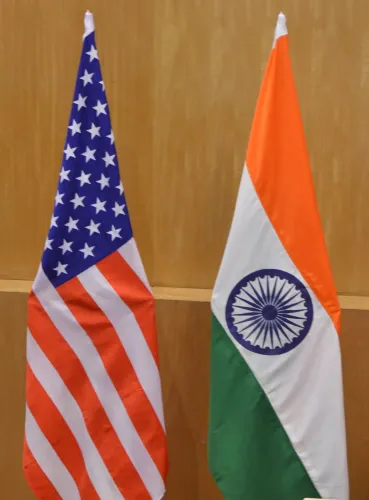
This comes amid a wider effort by India and the United States to negotiate a comprehensive trade agreement, with tariffs, market access, and agricultural trade among the most sensitive pressure points. Agriculture is a perennially contested domain in bilateral trade talks because policy shifts can affect domestic producers, importers, and consumers simultaneously.
ASTA's position draws a clear distinction between products that can be produced competitively in the United States and those, like most spices, that cannot — arguing that exempting the latter imposes costs on American businesses and consumers without protecting any comparable domestic industry. As negotiations advance, the spice industry's organised advocacy is likely to remain a consistent voice for maintaining, and eventually formalising, the current exemptions.
Point of View
But out of structural dependency. With $700 million in annual imports and no credible domestic substitute for cumin, fennel, or chilies, the American spice industry's tariff argument is less a trade policy position than a statement of agricultural geography. What mainstream coverage often misses is the quiet leverage this gives India in broader trade negotiations: when American companies are actively lobbying Washington on New Delhi's behalf, India gains a domestic constituency inside the US political system. The harder question is whether India can leverage this moment to push for more durable market access commitments beyond spices, rather than treating each exemption as a standalone win.
NationPress
7 Oct 2026
Frequently Asked Questions
Why is the US spice industry seeking tariff exemptions for Indian spices?
The industry argues that many spices — including cumin, fennel, and chilies — cannot be grown commercially in the United States, meaning tariffs would raise costs for American businesses and consumers without protecting any comparable domestic agricultural production. The American Spice Trade Association has been advocating for these exemptions to be made permanent as part of a US-India trade agreement.
How much does the US import in Indian spices each year?
According to figures cited by ASTA president Donald Pratt, the United States imports approximately $700 million worth of Indian spices annually. This makes the US the largest single export market for Indian spices globally.
Have any tariff exemptions for Indian spices already been secured?
Yes. ASTA says its advocacy effort over the past 18 months has resulted in most spices being placed on exemption lists under Section 122 and Section 301 tariffs, classified as unavailable natural resources. The industry is now seeking to have these exemptions permanently enshrined in a final trade agreement.
What is the American Spice Trade Association and who does it represent?
ASTA is the primary US trade body for the spice industry, representing approximately 100 companies involved in importing, processing, manufacturing, and selling spices in the United States. It has worked closely with the Indian Embassy in Washington on tariff issues and leads the industry's regulatory and advocacy efforts.
How does this fit into the broader India-US trade relationship?
India and the United States are in the process of negotiating a broader trade agreement, with agriculture and tariffs among the most sensitive issues. The spice industry's push for permanent exemptions is one specific pressure point in those talks, but it reflects a wider effort by both sides to reduce trade friction as the bilateral relationship deepens across goods, services, and strategic sectors.