Could Pakistan Play a Role in Gaza's Stabilization Force?
Synopsis
The US has expressed gratitude to Pakistan for considering participation in a proposed international stabilization force for Gaza. As discussions progress, the focus shifts to governance arrangements and operational clarity, which are essential for establishing lasting peace in the region, post-conflict.
Key Takeaways
The US appreciates Pakistan's willingness to consider joining a Gaza stabilization force.
Discussions are still in preliminary stages with other potential contributors.
Operational clarity is essential for all involved nations.
The focus is now on governance arrangements for Gaza.
Long-term arrangements must prevent Hamas from re-emerging as a threat.
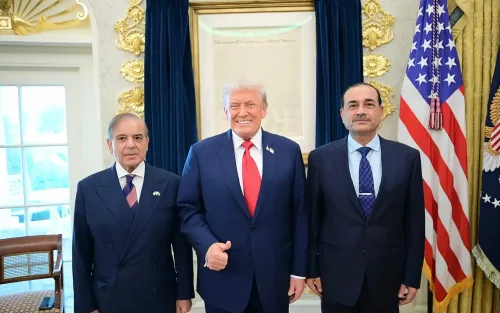
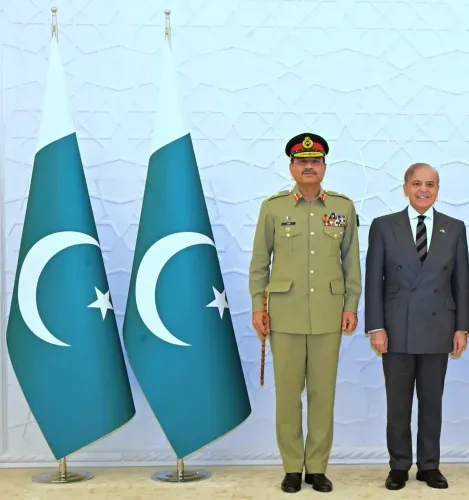
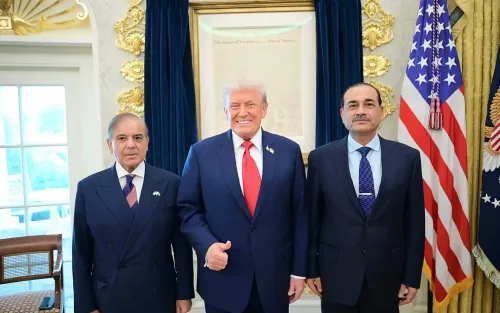
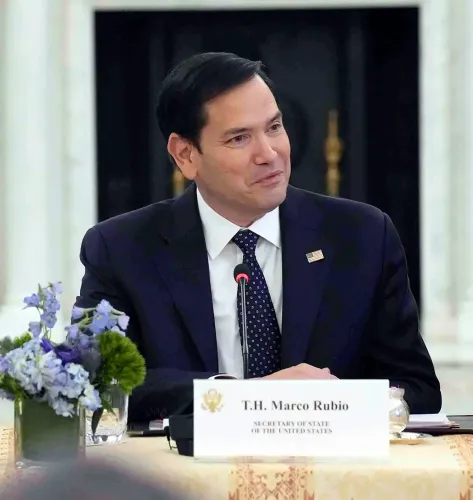
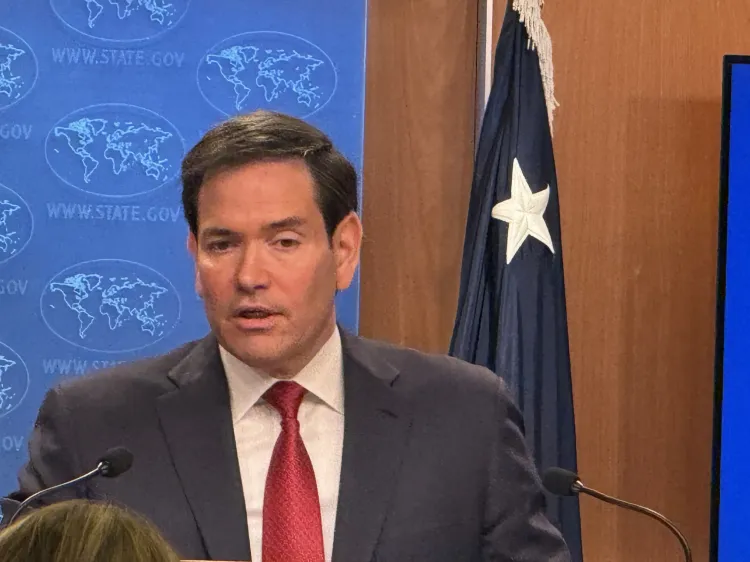
Washington, Dec 20 (NationPress) The United States has shown gratitude towards Pakistan for its willingness to consider joining a proposed international stabilization force aimed at Gaza, as the US seeks to establish a security framework for the region following the conflict. “We’re extremely thankful to Pakistan for their readiness to be part of this initiative or at least their willingness to explore the possibility,” stated Secretary of State Marco Rubio during a year-end press briefing.
Rubio mentioned that dialogues with Pakistan and other potential contributors are still in the early stages, with numerous operational aspects yet to be finalized.
“To be fair to all nations we have engaged with regarding a potential presence on the ground, I believe they are keen to understand the specific mandate, along with the funding structure,” he elaborated.
The Secretary expressed confidence that several nations are interested in contributing once more detailed information is available.
“I am optimistic that we have numerous nation-states acceptable to all parties involved in this conflict who are prepared to participate in that stabilization force,” Rubio remarked.
He emphasized that Pakistan's involvement hinges on further clarifications.
“Certainly, if Pakistan consents, they are pivotal, but we owe them some additional information before we proceed,” he noted.
Rubio indicated that the next phase will focus on governance strategies for Gaza.
“The next step is the announcement of the Board of Peace and the Palestinian technocratic team that will assist in daily governance,” he stated.
Once established, discussions could advance to stabilization specifics.
“This will allow us to finalize the stabilization force, including funding methods, rules of engagement, and their role in demilitarization,” Rubio concluded.
The Gaza conflict flared up after Hamas's attacks on Israel in October 2023, followed by an extensive Israeli military response. Since then, the US has been involved in ceasefire negotiations, humanitarian access initiatives, and discussions about post-conflict governance.
Washington argues that any sustainable arrangement must prevent Hamas from re-emerging as a military threat while facilitating civilian governance and reconstruction efforts.
Point of View
It's vital to recognize that Pakistan's consideration for a role in Gaza's stabilization efforts reflects its strategic positioning in international diplomacy. This approach aims to foster peace while addressing the complexities of governance in post-conflict scenarios. The emphasis on operational clarity is crucial for all parties involved.
NationPress
19 Sept 2026
Frequently Asked Questions
What is the purpose of the proposed stabilization force for Gaza?
The stabilization force aims to establish security and facilitate governance in Gaza following the recent conflict.
Why is Pakistan being considered for this role?
Pakistan is being considered due to its strategic importance and willingness to contribute to international peacekeeping efforts.
What are the next steps in this process?
The next steps involve finalizing governance arrangements and operational details for the stabilization force.