Did Venezuela Accuse the US of Serious Military Aggression After Explosions in Caracas?
Synopsis
In a dramatic escalation, Venezuela has accused the US government of serious military aggression following loud explosions in Caracas. This accusation comes as tensions rise, with President Maduro declaring a national emergency. The situation has left residents in panic, and the authenticity of explosive sounds remains under investigation. What are the implications of this escalating conflict?
Key Takeaways
Venezuela accuses the US of military aggression.
Explosions in Caracas led to widespread panic.
President Maduro declared a national emergency .
US sanctions target entities linked to Iran .
Tensions between the US and Venezuela remain high.
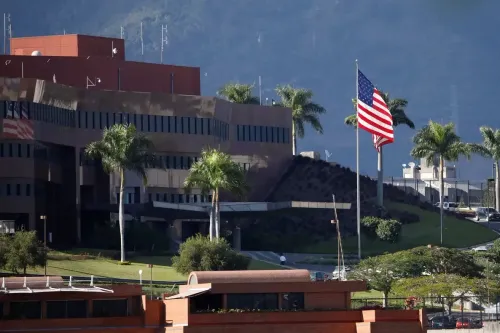
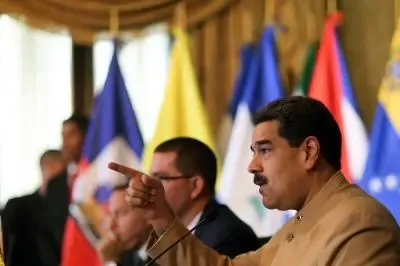
Caracas, Jan 3 (NationPress) In a significant response to the recent loud explosions that shook the capital, Venezuela has issued its first official statement, vehemently condemning the administration of Donald Trump. The Venezuelan government has labeled these events as indicative of an "extremely serious military aggression" orchestrated by the United States, as reported by local media.
In a pointed denunciation, the Venezuelan authorities claimed that these actions seem aimed at "seizing Venezuela's strategic resources", with a specific focus on its oil and mineral wealth, while undermining the nation's political autonomy.
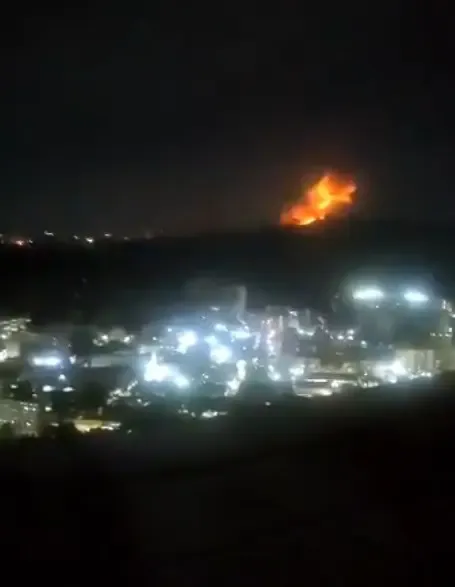
This reaction followed reports from Caracas residents who heard the loud explosions and aircraft-like sounds early on Saturday.
The incidents reportedly occurred around 2:00 a.m. local time, causing widespread panic across various districts of the city.
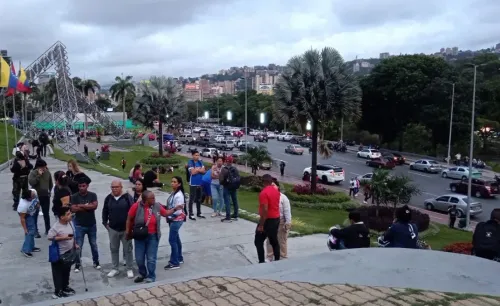
Media sources indicated that at least seven powerful explosions reverberated through Caracas, prompting frightened residents to flee into the streets.
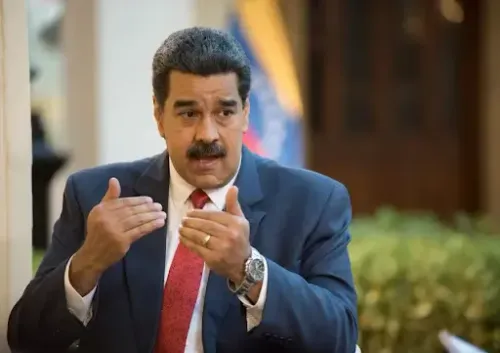
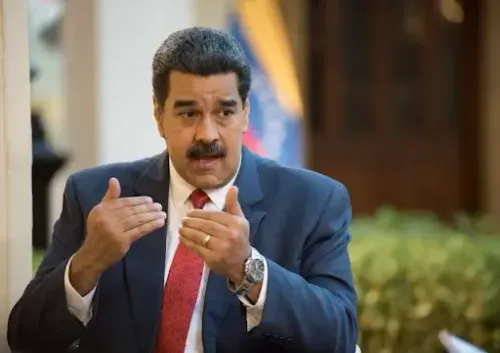
In light of these events, President Maduro has declared a national emergency.
The sudden blasts incited considerable anxiety, with many individuals reportedly abandoning their homes amidst the chaos.
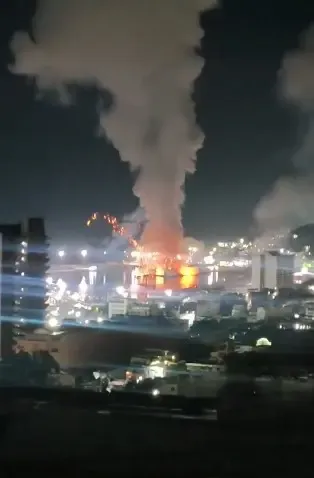
Videos circulating on social media depicted thick smoke billowing from multiple sites within the capital.
However, the authenticity of the circulating images and videos remains unverified.
Reports also noted brief power outages in various locations across Caracas, including a military base, following the explosions.
Authorities have yet to provide additional details regarding the extent of damage or potential casualties as investigations are ongoing.
Furthermore, partial disruptions in telecommunication services were acknowledged in the capital after the explosive sounds.
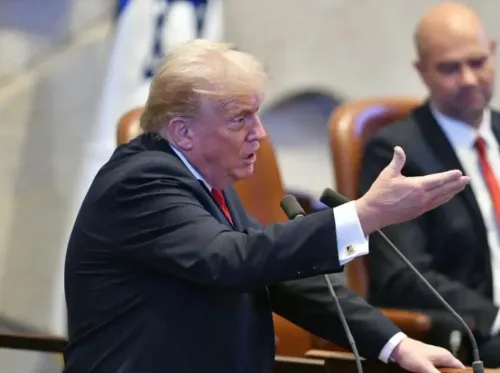
This incident aligns with President Trump's previous warnings regarding potential ground operations in Venezuela, as part of his strategy to unseat President Nicolas Maduro. This strategy has included intensifying sanctions and increasing military presence in the vicinity, as well as accusing vessels of drug trafficking in Caribbean and Pacific waters.
Recently, the US government imposed sanctions on ten entities and individuals from both Iran and Venezuela, alleging that Tehran has been supplying conventional arms to Caracas, endangering US interests across the Western Hemisphere, including the homeland.
In separate announcements, the US Department of State and the Department of the Treasury stated that a Venezuelan company named in the sanctions was involved in the sale of combat unmanned aerial vehicles (UAVs) designed in Iran.
Others under sanctions were implicated in supporting procurement networks tied to Iran’s drone and ballistic missile initiatives, according to their statements.
"The entities and individuals designated today signify Iran's active proliferation of combat UAVs and its ongoing procurement of missile-related materials in violation of UN sanctions," stated Tommy Pigott, Principal Deputy Spokesperson for the State Department.
He affirmed that the Trump administration intends to take measures to restrict Iran's ballistic missile program and prevent the development of other conventional and asymmetric armaments, including nuclear weapons.
Additionally, John K. Hurley, Treasury Under Secretary for Terrorism and Financial Intelligence, highlighted that swift actions will continue to limit access to the US financial system for those supporting Iran's military-industrial complex.
The US Treasury Department further emphasized that Iran's UAV and missile endeavors pose threats to US and allied personnel in the Middle East and disrupt maritime activities in the Red Sea.
Relations between the United States and Venezuela have remained tense, with Caracas consistently accusing Washington of pursuing regime change and bolstering its military presence in the region under the guise of an anti-narco-terrorism initiative.
Additionally, a drone strike executed by the CIA in December of the previous year targeted a dock facility along Venezuela's coast, marking the first known land strike by the Trump administration within the oil-rich South American nation.
This operation was aimed at a secluded dock suspected of being used by a Venezuelan gang for drug storage and transportation.
Point of View
I recognize the gravity of the situation unfolding in Venezuela. The accusations from the Venezuelan government reflect a significant escalation in tensions with the US. It is crucial to approach this matter with a focus on factual reporting and understanding the broader implications for both nations and their citizens.
NationPress
22 Sept 2026
Frequently Asked Questions
What triggered Venezuela's accusation against the US?
Venezuela's accusation was triggered by loud explosions heard in Caracas, which the government interpreted as a military aggression by the US.
How did the Venezuelan government respond to the explosions?
The Venezuelan government condemned the explosions, labeling them as part of a strategy to undermine the country's political independence and seize its resources.
What actions has President Maduro taken in response?
President Maduro has declared a national emergency following the explosions, highlighting the seriousness of the situation.
What is the US government's stance on the situation?
The US government has been increasing sanctions and military presence in the region, warning of potential ground operations in Venezuela.
What implications could this conflict have?
The conflict could escalate tensions between the US and Venezuela, impacting diplomatic relations and regional stability.