White House Blames 'Systemic Demonisation' for Trump Assassination Attempt
Synopsis
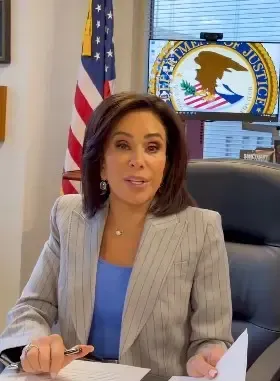
The White House has directly blamed years of 'systemic demonisation' of President Donald Trump for the latest attempted assassination, with Press Secretary Karoline Leavitt naming Democratic leaders, media figures, and even TV host Jimmy Kimmel as contributors to a climate of violence — a striking escalation in the administration's war of words.
Key Takeaways
The White House on April 27, 2025 blamed "systemic demonisation" of President Donald Trump for the latest attempted assassination against him.
Press Secretary Karoline Leavitt said the suspected attacker's manifesto mirrored language found in everyday social media and public forums.
The administration accused Democratic leaders and sections of the media of fuelling a climate of political violence through inflammatory rhetoric.
TV host Jimmy Kimmel was specifically called out over remarks about First Lady Melania Trump made days before the incident.
The Department of Justice and FBI have been credited with sharing suspect information quickly to counter misinformation and conspiracy theories.
President Trump is personally monitoring the suspect's court proceedings, with further law enforcement updates expected.
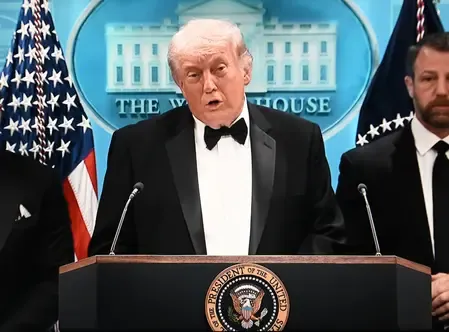
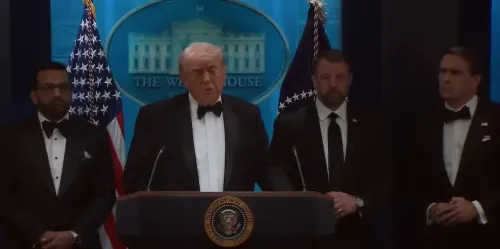
The White House on Monday, April 27, squarely blamed toxic political rhetoric and what it termed the "systemic demonisation" of President Donald Trump for the latest attempted assassination against him, warning that inflammatory language is actively fuelling real-world violence in the United States.
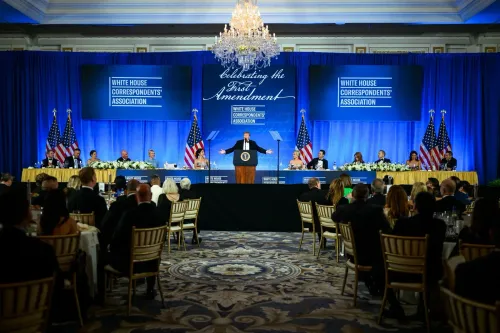
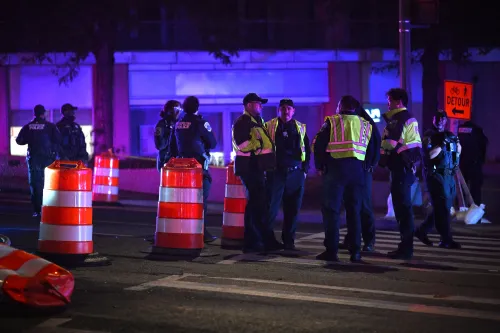
Press Secretary Karoline Leavitt addressed reporters in a pointed briefing, linking the attempted attack — which allegedly occurred in connection with the White House Correspondents' Association dinner — to a broader, escalating pattern of hostility directed at the president and his supporters.
Key Developments in the Assassination Attempt
"This political violence stems from a systemic demonisation of him and his supporters," Leavitt told reporters. "This hateful and constant and violent rhetoric directed at President Trump day after day after day… has helped to legitimise this violence."
Leavitt noted that the suspected attacker's manifesto appeared to mirror language routinely encountered in mainstream public discourse. "When you read the manifesto of this shooter… how different is the rhetoric from this almost assassin than what you read on social media and hear in various forums every single day?" she said. "The answer… is that there is no difference at all."
What the White House Said About Political Opponents and Media
The administration did not stop at generalities. Leavitt directly accused political opponents and sections of the media of cultivating an environment that incites violence. "Those who constantly falsely label and slander the president as a fascist, as a threat to democracy and compare him to Hitler… are fuelling this kind of violence," she said.
She cited remarks by several Democratic leaders, arguing that years of such statements have created a climate of deep hostility. "These are despicable statements that the American people have been consuming for years," she said, adding that such rhetoric can influence "mentally perturbed individuals" to act.
Notably, the White House also called out television host Jimmy Kimmel over remarks he reportedly made about First Lady Melania Trump just days before the incident. "Who in their right mind says a wife would be glowing over the potential murder of her beloved husband?" Leavitt said, labelling the comment "completely deranged."
Call for a National Reset in Tone
Despite the sharp accusations, Leavitt framed the administration's broader message as a call for peaceful disagreement. "We can, and we should have fierce disagreement in this country," she said. "But those disagreements must remain peaceful… not bullets."
She added that President Trump has personally called on Americans to "recommit ourselves to resolving our differences peacefully and uniting around the shared values that make our country great" — a message that critics may note stands in contrast to the administration's own combative tone in recent months.
Misinformation and Transparency Concerns
The White House also acknowledged the parallel threat of misinformation in amplifying tensions surrounding the incident. "There will be bite-sized clips that will go viral… to the point where there are Americans… that believe that what happened Saturday night was staged," Leavitt warned.
She said the administration's priority is transparency, crediting the Department of Justice and the FBI with swiftly sharing information about the suspect to counter conspiracy theories. Leavitt confirmed that President Trump is closely monitoring the suspect's court proceedings and that law enforcement agencies would provide further updates.
Impact on American Political Climate
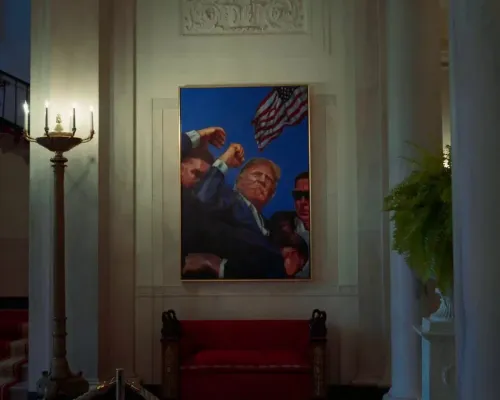
This comes amid years of intensifying political polarisation in the United States, particularly during election cycles, with sharp divisions between parties and across media platforms. This is at least the second major assassination attempt targeting President Trump in recent years, raising urgent questions about the sustainability of the current political temperature. Analysts and security experts are expected to weigh in on whether institutional guardrails are sufficient to prevent further escalation. All eyes now turn to how both parties respond — and whether calls for tonal restraint will translate into measurable change.
Point of View
And assigning blame exclusively to one side does little to address the structural failures — in social media regulation, mental health support, and political accountability — that make such incidents possible. India should watch closely; these dynamics are not uniquely American.
NationPress
19 Sept 2026
Frequently Asked Questions
What happened at the White House Correspondents' dinner that prompted the White House response?
An attempted assassination targeting President Donald Trump reportedly occurred in connection with the White House Correspondents' Association dinner . The White House on April 27 held a press briefing blaming political rhetoric for inciting the attack.
What did Press Secretary Karoline Leavitt say about the attacker's manifesto?
Karoline Leavitt said the suspected attacker's manifesto contained language indistinguishable from rhetoric commonly found on social media and in public forums. She argued this proves that inflammatory political speech directly contributes to real-world violence.
Who did the White House specifically blame for contributing to political violence?
The White House blamed Democratic leaders , sections of the media, and TV host Jimmy Kimmel for contributing to a hostile climate. Leavitt cited years of labelling Trump a "fascist" and comparisons to Hitler as particularly dangerous rhetoric.
How is the US government responding to misinformation about the assassination attempt?
The White House acknowledged that viral misinformation, including claims the incident was staged, is already spreading online. The Department of Justice and the FBI have been tasked with releasing information quickly to counter false narratives.
Is this the first assassination attempt against President Trump?
No, this is reportedly at least the second major assassination attempt against President Donald Trump in recent years. The recurring nature of such incidents has intensified debate about political polarisation and security protocols in the United States .