White House Declares US Auto Industry 'Back' in Bullish Post
Synopsis
The White House declared the US auto industry 'back' on July 29, 2026, invoking a politically charged manufacturing revival narrative rooted in the sector's journey from the 2008 federal bailout through semiconductor-driven shutdowns to a claimed recovery.
Key Takeaways
The White House posted on July 29, 2026 that 'America is building cars again' and declared the auto industry revived.
The US auto sector's modern history includes federal emergency loans to General Motors and Chrysler during the 2008–2009 financial crisis under the Obama administration .
A global semiconductor shortage in 2021–2022 forced widespread assembly-line shutdowns at major US automakers before a gradual recovery.
Auto-sector employment and output have long served as a political barometer for US manufacturing health, especially in swing states like Michigan and Ohio .
Specific production figures or policy measures behind the July 2026 claim have not been independently verified.
Monthly data from the Bureau of Labor Statistics and Federal Reserve industrial production indexes will be the key measure of whether the revival claim holds.
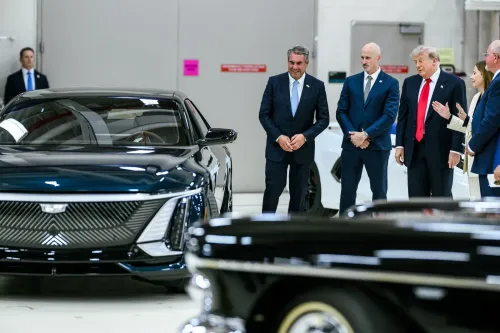
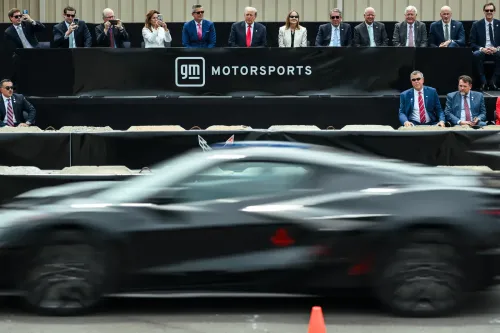
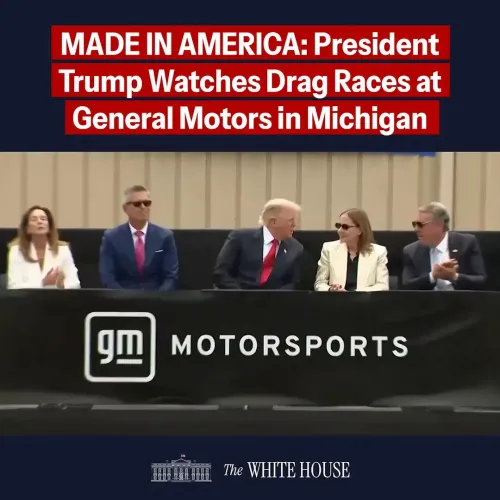
The White House fired a confident salvo at America's manufacturing critics on Wednesday, July 29, 2026, declaring the United States automobile sector fully revived — a claim that lands with particular weight given the industry's turbulent decade of bailouts, semiconductor shortages, and supply-chain whiplash.
A Rally Cry Rooted in Detroit's Long Shadow
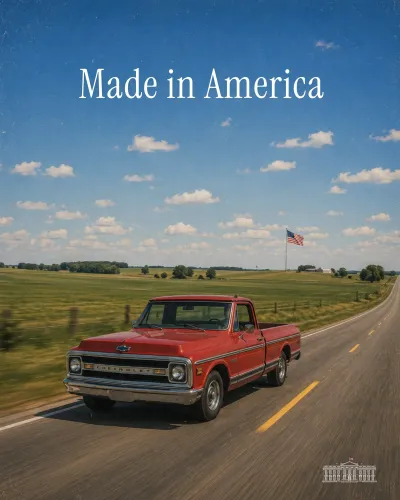
The post — 'America is building cars again. THE AUTO INDUSTRY IS BACK!' — is short, but it carries the full freight of a political narrative the United States government has been trying to write for years. The American auto sector's modern story runs through the 2008–2009 financial crisis, when the federal government extended emergency loans to General Motors and Chrysler under the Obama administration to prevent their outright liquidation. That intervention saved hundreds of thousands of jobs but left a lasting question mark over whether American manufacturing could stand on its own.
Since then, the industry has lurched through fresh crises — most acutely the global semiconductor shortage of 2021–2022, which forced assembly-line shutdowns at plants run by General Motors, Ford Motor Company, and others, slashing vehicle output and inflating prices. A gradual recovery in chip supply and assembly volumes followed, but the scars of that disruption kept the 'Is American manufacturing truly back?' question alive in policy circles.
Why the White House Is Claiming This Moment
US administrations across party lines have used auto-sector employment and output as a political barometer — a shorthand for whether the broader manufacturing economy is healthy. The White House post fits squarely in that tradition, using the auto industry as a stand-in for American industrial confidence writ large. Auto workers remain a politically significant constituency in swing states like Michigan, Ohio, and Pennsylvania, making any revival narrative electorally as well as economically charged.
Specific production statistics or policy measures behind this July 2026 declaration have not been independently verified, but the framing itself is unmistakable: the administration is staking a claim on manufacturing resurgence as a signature achievement.
What the Numbers Will Have to Show
The real test of the claim will come from monthly motor vehicle production data and employment releases from the Bureau of Labor Statistics and the Federal Reserve's industrial production indexes. If assembly volumes and auto-sector payrolls are trending upward in mid-2026, the White House's triumphant framing finds its footing. If the data tell a more complicated story, the bold declaration becomes a liability.
Either way, the administration has planted its flag — and the auto industry, once the symbol of American decline, is now the symbol it is betting its manufacturing story on.
Point of View
Unqualified proclamations invite scrutiny from production data that may tell a more nuanced story. How the underlying Bureau of Labor Statistics and Federal Reserve numbers land in the coming months will determine whether this becomes a durable talking point or a premature victory lap.
NationPress
30 Jul 2026
Frequently Asked Questions
What did the White House say about the US auto industry in July 2026?
The White House posted on July 29, 2026 that 'America is building cars again' and declared 'THE AUTO INDUSTRY IS BACK', claiming a revival of domestic automobile manufacturing.
Why was the US auto industry in trouble before?
The US auto industry faced two major crises: the 2008-2009 financial crash, which required federal emergency loans to General Motors and Chrysler, and the 2021-2022 global semiconductor shortage that forced assembly-line shutdowns across major automakers.
Which American automakers are most associated with the US manufacturing revival?
General Motors and Ford Motor Company are the most prominent American automakers. Both were severely affected by the semiconductor shortage of 2021-2022 and have been central to any US manufacturing recovery narrative.
How will we know if the US auto industry is truly recovering?
Monthly motor vehicle production data and employment figures from the Bureau of Labor Statistics, along with the Federal Reserve's industrial production indexes, are the key indicators to watch.
Why does the White House focus on the auto industry as a sign of economic strength?
US administrations across party lines have historically used auto-sector employment and output as a political barometer for broader manufacturing health, particularly because auto workers are a significant constituency in swing states like Michigan, Ohio, and Pennsylvania.