White House Dinner gunman Cole Allen's weeks-long attack plot revealed
Synopsis
Cole Tomas Allen did not snap — he planned. Weeks of cross-country travel, a pre-booked hotel room, and firearms transported across state lines point to one of the most premeditated attacks on a US government gathering in recent memory. The Secret Service officer's ballistic vest may have been the only thing standing between Allen and a catastrophic outcome.
Key Takeaways
Cole Tomas Allen booked the Washington Hilton on 6 April — weeks before the 25 April dinner — after President Trump confirmed his attendance.
Allen travelled by train from near Los Angeles via Chicago , arriving in Washington, D.C. on 24 April .
He opened fire at a security checkpoint at approximately 8.40 p.m. , one floor above the ballroom.
A Secret Service officer survived after being shot in the chest, protected by a ballistic vest.
Allen reportedly transported firearms from California across state lines — a key element of the federal charges against him.
Investigators are reviewing hotel room evidence, electronic devices, and travel history; accomplices have not been ruled out.
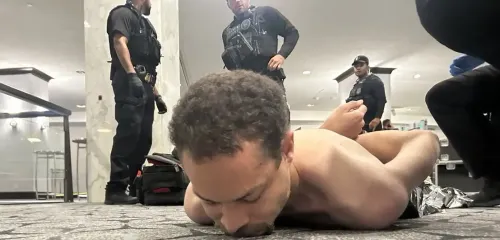
Suspected gunman Cole Tomas Allen meticulously planned the White House Correspondents' Dinner shooting over several weeks, travelling across the United States and positioning himself inside the Washington Hilton before launching the attack on 25 April 2025, according to court documents and federal officials.
How the Planning Unfolded
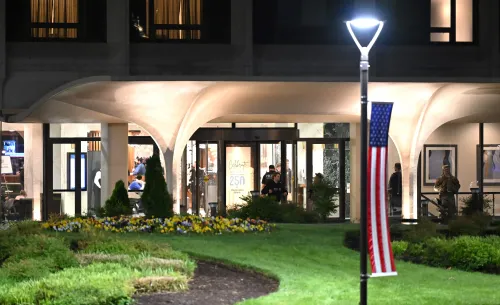
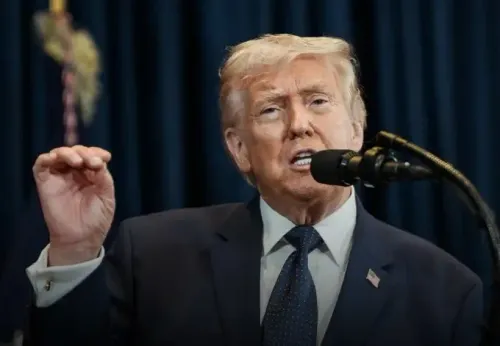
According to a federal affidavit, Allen made a reservation at the Washington Hilton on 6 April for a three-night stay from 24 to 26 April — weeks after President Donald Trump publicly confirmed he would attend the dinner. Investigators said the timing of the booking strongly suggests Allen was tracking the President's planned appearance.
Allen departed from his home near Los Angeles by train on 21 April, reaching Chicago on 23 April before continuing to Washington, D.C., where he arrived on 24 April at approximately 1 p.m. He checked into the hotel that afternoon at around 3 p.m., placing himself inside the same building where the high-profile event was scheduled.
The Night of the Attack
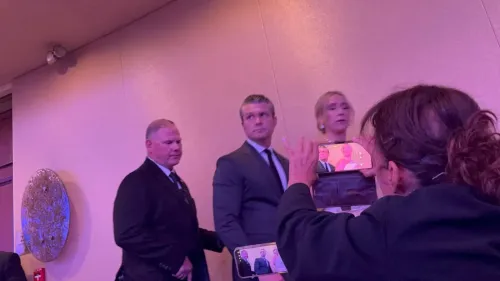
The dinner, attended by President Trump, the Vice President, and Cabinet officials, began at approximately 8 p.m. in a ballroom on the hotel's concourse level. About 40 minutes later, Allen moved into position.
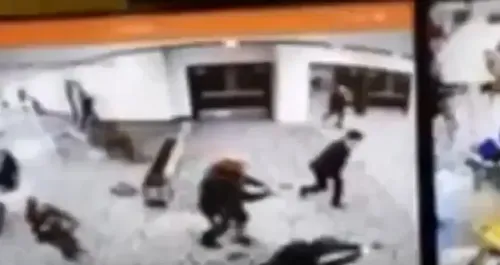
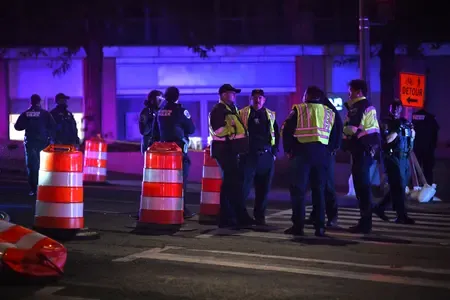
Acting Attorney General Todd Blanche said Allen approached a security checkpoint on the terrace level — one floor above the ballroom — at approximately 8.40 p.m., carrying a long gun. Allen ran through a magnetometer, and a gunshot was heard moments later, triggering an immediate law enforcement response.
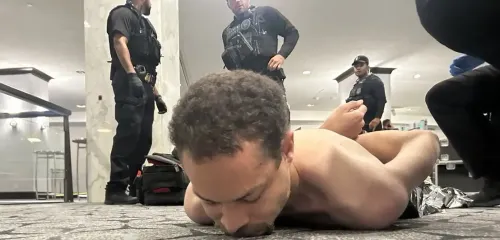
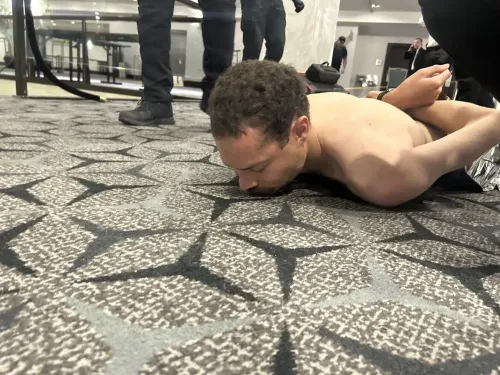
A Secret Service officer stationed at the checkpoint was struck in the chest but survived due to a ballistic vest. The officer returned fire, and Allen was quickly subdued and arrested before he could reach the main event.
What Prosecutors Said
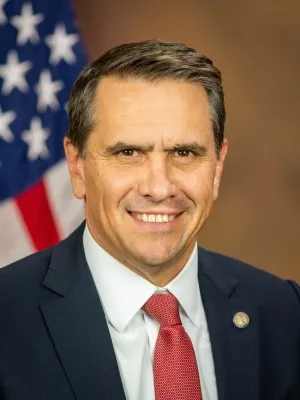
Blanche was unequivocal about the premeditated nature of the attack. According to Blanche, the assault was not spontaneous but rather the culmination of deliberate preparation — pointing to the suspect's travel, hotel booking, and positioning inside the building. US Attorney Jeanine Pirro said the timeline demonstrated clear intent, noting that Allen was fully aware of the event and made a decision to rush the ballroom, with law enforcement intervening before he could enter.
Prosecutors also highlighted the interstate nature of the planning. Allen had reportedly purchased firearms in California and transported them across state lines before arriving in Washington, D.C. — a key element in the federal charges filed against him.
Evidence Under Review
Investigators said the case remains active, with additional evidence being reviewed from Allen's hotel room, electronic devices, and travel history. Officials cautioned that further details about planning — and whether any accomplices were involved — may emerge in the coming days.
The White House Correspondents' Dinner is one of Washington's most prominent annual gatherings, drawing senior government officials, journalists, and public figures. Its high visibility and concentration of leadership make it a significant security operation each year. The attack has prompted renewed scrutiny of event security protocols at venues hosting senior government leadership.
Point of View
A multi-state rail journey, and firearms transported across state lines. This is not a crime of impulse. Yet Allen reportedly walked through a magnetometer carrying a long gun, raising serious questions about security protocol execution at one of Washington's highest-profile annual events. The coming days will test whether investigators can establish a clear motive and rule out a broader network — because a lone actor with this level of operational discipline demands a fundamentally different security response.
NationPress
18 Sept 2026
Frequently Asked Questions
Why did Cole Tomas Allen attack the White House Correspondents' Dinner?
Investigators have not yet publicly established a confirmed motive. Court documents show Allen tracked President Trump's confirmed attendance and booked his hotel room weeks in advance, suggesting deliberate targeting of the event. The investigation remains active.
Was anyone killed in the White House Correspondents' Dinner shooting?
No fatalities have been reported. A Secret Service officer was shot in the chest at a security checkpoint but survived because of a ballistic vest. Allen was arrested before reaching the main ballroom.
How did Cole Allen plan the attack?
According to a federal affidavit, Allen booked the Washington Hilton on 6 April, travelled by train from near Los Angeles via Chicago, and arrived on 24 April. He reportedly purchased firearms in California and transported them across state lines before the attack.
What charges does Cole Tomas Allen face?
Allen faces federal charges including the interstate transport of firearms. Acting Attorney General Todd Blanche and US Attorney Jeanine Pirro both described the attack as premeditated. Further charges may follow as the investigation progresses.
What is the White House Correspondents' Dinner?
It is one of Washington's most prominent annual gatherings, drawing senior government officials, journalists, and public figures. The 2025 edition was attended by President Trump, the Vice President, and Cabinet officials, making it a major security operation.