White House Recites Pledge of Allegiance Ahead of July 4
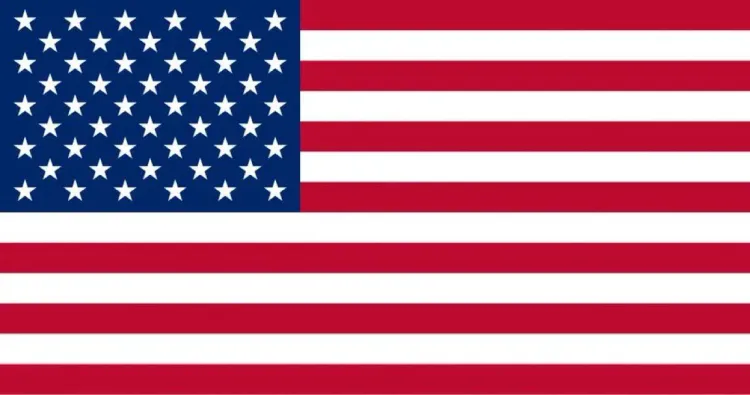
Synopsis
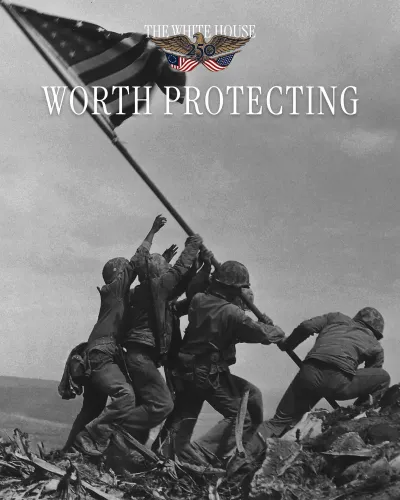
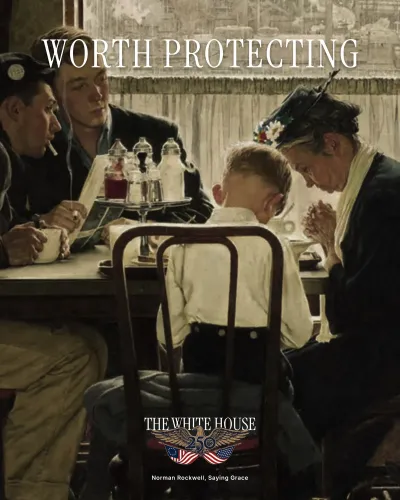
The White House shared the full text of the Pledge of Allegiance on 2 July 2026, two days before the United States' Independence Day. The post carries no policy directive, functioning as a ceremonial affirmation of national unity and constitutional ideals ahead of the country's annual July 4 commemorations.
Key Takeaways
The White House posted the complete Pledge of Allegiance on 2 July 2026 , ahead of Independence Day .
The pledge was first published in 1892 and given congressional recognition in 1942 .
The phrase 'under God' was added by congressional resolution in 1954 .
The post is ceremonial, carrying no policy directive or legislative proposal.
Further White House statements and events are expected around 4 July 2026 .
The White House, the official communications account of the Executive Office of the President of the United States, posted the full text of the Pledge of Allegiance on 2 July 2026, days before the country's Independence Day on 4 July.
Context
The post reproduced the pledge verbatim: 'I pledge allegiance to the flag of the United States of America, and to the republic for which it stands, one nation under God, indivisible, with liberty and justice for all.' No additional commentary was attached to the text.
Official recitations of the pledge by government accounts around the Fourth of July are a longstanding civic ritual, used to underscore national symbols and constitutional language on unity and equal justice.
Policy Backdrop
The Pledge of Allegiance was first published in 1892 and received formal congressional recognition in 1942. The phrase 'under God' was added by a separate congressional resolution in 1954, during a period of Cold War-era emphasis on distinguishing American civic identity.
Today the pledge is recited daily in most American public schools and at the opening of legislative sessions across federal and state governments, making it one of the most frequently repeated civic texts in the country.
Stakeholders and Impact
The pledge's language directly invokes American citizens and the broader public, particularly public school students for whom daily recitation is routine. Its restatement by the White House at this moment amplifies the ceremonial weight of the approaching national holiday.
The post carries no policy directive or legislative proposal; its function is symbolic, reinforcing the constitutional ideals of indivisibility and equal justice as the nation prepares for Independence Day commemorations.
What's Next
The White House is expected to release further statements and programming around 4 July 2026 marking the nation's 250th Independence Day. Public ceremonies, addresses, and cultural events across the United States will centre on themes of national unity consistent with the language of the pledge.
Observers will watch for any follow-on executive statements that move beyond the ceremonial into substantive policy framing around the anniversary.
Point of View
Consistent with a pattern of executive messaging that uses foundational American texts to project national unity. Such posts require no policy substance to carry political weight — the language of 'indivisible, with liberty and justice for all' implicitly frames the administration as the steward of those ideals. In a polarised political environment, invoking the pledge is a low-risk, high-visibility gesture that appeals broadly across the electorate. The timing, just ahead of what would be the United States' 250th Independence Day, amplifies the resonance of the message considerably.
NationPress
2 Jul 2026
Frequently Asked Questions
Why did the White House post the Pledge of Allegiance?
The White House posted the Pledge of Allegiance on 2 July 2026 as a ceremonial gesture ahead of the United States' Independence Day on 4 July, a longstanding tradition of affirming national symbols around the holiday.
What is the Pledge of Allegiance?
The Pledge of Allegiance is a patriotic oath to the American flag and republic, first published in 1892 and given official congressional recognition in 1942. It is recited daily in most American public schools and at government sessions.
When was 'under God' added to the Pledge of Allegiance?
The phrase 'under God' was inserted into the Pledge of Allegiance by a congressional resolution in 1954, during the Cold War era.
Is the White House's Pledge of Allegiance post a policy announcement?
No. The post is purely ceremonial, containing only the text of the pledge with no accompanying policy directive, legislative proposal, or executive action.
What events are expected around US Independence Day 2026?
The White House is expected to release further statements and host public programming around 4 July 2026, with national ceremonies centring on themes of unity consistent with the pledge's language.