Why Were 14 Indian Pilgrims Denied Entry to Pakistan?

Synopsis
In a troubling incident, 14 Indian pilgrims were denied entry into Pakistan while attempting to celebrate Guru Nanak's 556th birth anniversary. This situation raises questions about religious identity and ongoing tensions between India and Pakistan.
Key Takeaways
14 Indian pilgrims were denied entry into Pakistan.
Officials cited religious identity as the reason for their denial.
The incident underscores ongoing tensions between India and Pakistan.
Prominent Sikh leaders were able to enter Pakistan for the celebrations.
Significant Sikh heritage sites were part of the planned pilgrimage.
New Delhi, Nov 5 (NationPress) Fourteen Indian nationals who journeyed to Pakistan as part of a larger group for the celebrations of Guru Nanak's 556th birth anniversary faced denial of entry. Reports indicate that officials turned them away, citing that they were Hindu and not Sikh.
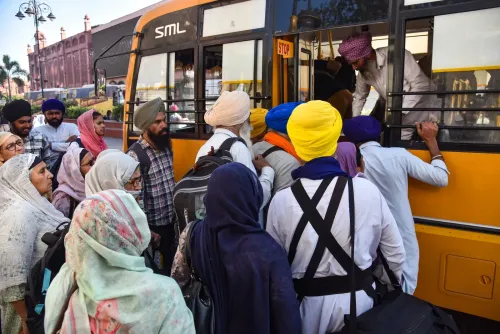
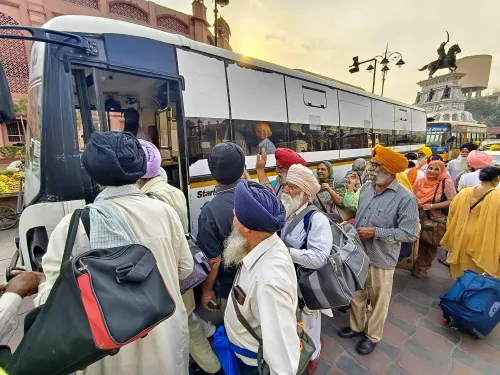
The pilgrims, who are Pakistani-origin Sindhi Hindus and later became Indian citizens, were part of a contingent of approximately 2,100 devotees authorized by India's Home Ministry to visit Nankana Sahib, the birthplace of Guru Nanak. Pakistan had provided travel documents for a similar number of individuals.
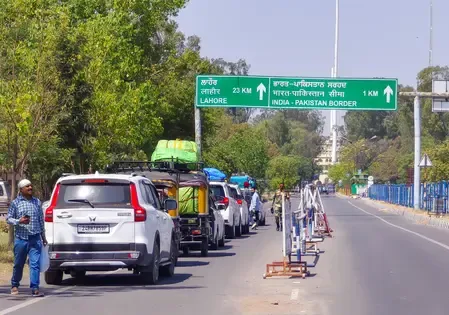
On Tuesday, around 1,900 pilgrims successfully crossed the Wagah border, marking the first civilian movement between the two nations since India's Operation Sindoor in May, which followed the Pahalgam terror attack. However, it has been confirmed that 14 individuals were compelled to return.
According to NDTV, Pakistani officials informed them, “You are Hindu… you can’t go with Sikh devotees.”
The group, which included individuals from Delhi and Lucknow, reportedly returned feeling humiliated.
Furthermore, nearly 300 others who had applied for visas independently were halted on the Indian side due to a lack of essential approval from the Home Ministry.
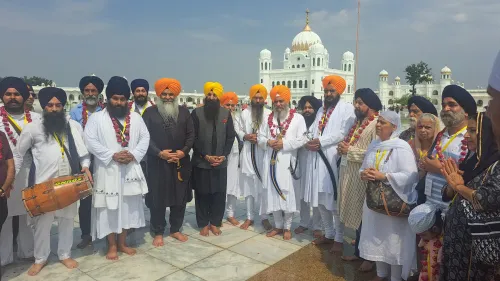
Prominent Sikh leaders, including Giani Kuldeep Singh Gargaj from Akal Takht, SGPC delegate Bibi Gurinder Kaur, and DSGMC’s Ravinder Singh Sweeta, managed to enter Pakistan.
The central Gurpurab ceremony is being conducted at Gurdwara Janamasthan, located about 80 km from Lahore. During their ten-day pilgrimage, Indian Sikh devotees are expected to visit historic sites such as Gurdwara Panja Sahib (Hasan Abdal), Gurdwara Sacha Sauda (Farooqabad), and Gurdwara Darbar Sahib (Kartarpur).
This incident unfolds amid ongoing tensions between New Delhi and Islamabad following the Pahalgam attack in April, which resulted in the deaths of 26 individuals, mostly civilians.
While India has not issued an official statement condemning the incident regarding the Hindu pilgrims, this development is likely to heighten diplomatic tensions during an already strained period.
Point of View
It is critical to address the complexities surrounding the denial of entry to 14 Indian pilgrims in Pakistan. This incident is not just about religious identity, but also reflects the fragile state of Indo-Pak relations. It underscores the need for dialogue and understanding between the two nations, especially in the context of shared cultural heritage.
NationPress
20 Sept 2026
Frequently Asked Questions
Why were the Indian pilgrims denied entry into Pakistan?
The pilgrims were reportedly turned away by Pakistani officials who claimed they were Hindu and not Sikh, which caused confusion during the celebrations for Guru Nanak's birthday.
What was the purpose of the pilgrimage?
The pilgrimage was intended to celebrate Guru Nanak's 556th birth anniversary, with many pilgrims traveling to significant Sikh heritage sites.
What are the implications of this incident?
This incident highlights the ongoing tensions between India and Pakistan, and it may further complicate diplomatic relations during an already sensitive time.
Who were the prominent Sikh leaders that entered Pakistan?
Notable Sikh leaders who managed to enter Pakistan include Giani Kuldeep Singh Gargaj, Bibi Gurinder Kaur, and Ravinder Singh Sweeta.
What historic sites were the pilgrims planning to visit?
The pilgrims planned to visit several historic shrines, including Gurdwara Panja Sahib, Gurdwara Sacha Sauda, and Gurdwara Darbar Sahib.