14th ITM Opens in Tawang, Returns to Arunachal After 13 Years
Synopsis
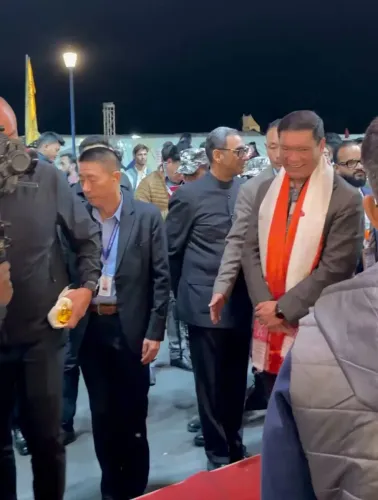
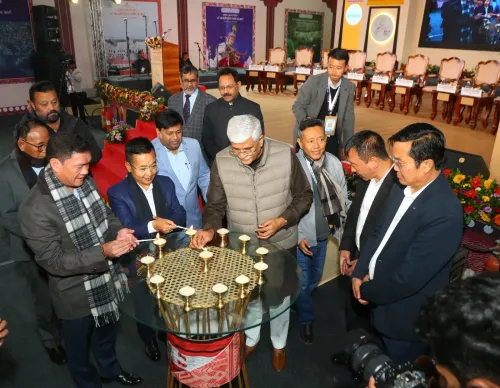
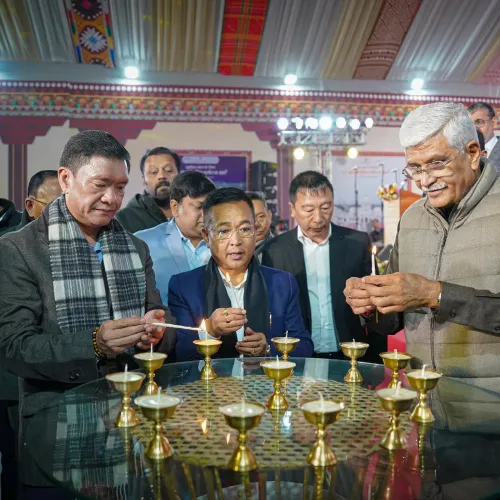
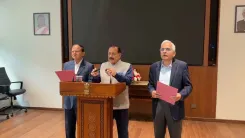
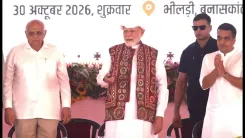
The 14th India Tourism Mart commenced in Tawang, Arunachal Pradesh, returning to the Himalayan frontier town after 13 years. Union Tourism Minister Gajendra Singh Shekhawat and Sikkim CM Prem Singh Tamang graced the inauguration, spotlighting the cultural heritage and tourism potential of all eight North Eastern states.
Key Takeaways
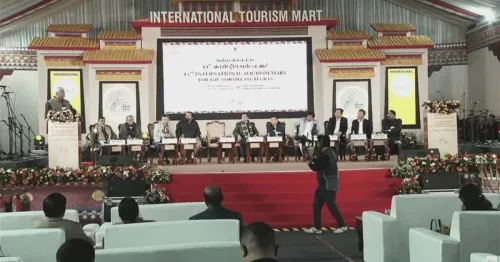
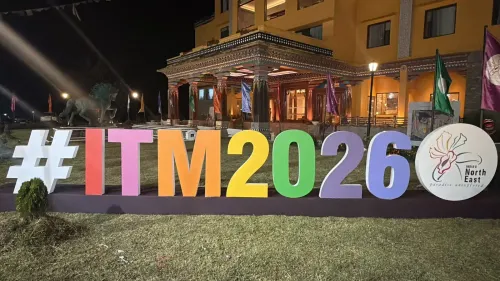
The 14th India Tourism Mart (ITM) commenced in Tawang, Arunachal Pradesh on October 30, 2026 .
Tawang is hosting the ITM for the first time in 13 years , underscoring the rotation of national tourism platforms across Northeast locations.
Union Tourism Minister Gajendra Singh Shekhawat and Sikkim CM Prem Singh Tamang (Golay) inaugurated the event.
The Mart is designed to showcase the cultural heritage and tourism potential of all eight North Eastern states collectively.
The event aligns with the central government's Swadesh Darshan and Swadesh Darshan 2.0 schemes targeting Northeast tourism circuits.
Tawang is home to the Tawang Monastery , India's largest Buddhist monastery, and sits near the India-China Line of Actual Control.
Tawang is back on India's tourism map in a big way. The 14th India Tourism Mart (ITM) commenced in Tawang, Arunachal Pradesh on Friday, October 30, 2026, with the Chief Minister's Office of Arunachal Pradesh announcing the inauguration — and the significance of the venue is impossible to miss. This Himalayan frontier town, home to one of Asia's largest Buddhist monasteries and sitting within sight of the India-China border, is hosting the prestigious national tourism event for the first time in 13 years.
Shekhawat and Golay Anchor the Inaugural Stage
Union Tourism Minister Gajendra Singh Shekhawat, who represents Jodhpur, Rajasthan in Parliament, graced the inauguration alongside Prem Singh Tamang (Golay), the Chief Minister of Sikkim and head of the Sikkim Krantikari Morcha government since 2019. The presence of a sitting CM from a neighbouring North Eastern state signals that the Mart is positioned as a collective regional platform, not merely an Arunachal Pradesh showcase.
Shekhawat's participation underlines the Centre's direct stake in the event. The Union Tourism Ministry has consistently used India Tourism Mart as a high-visibility vehicle to pitch the Northeast to domestic and international buyers, travel agents, and tour operators gathered under one roof.
Tawang's 13-Year Wait — and Why It Matters
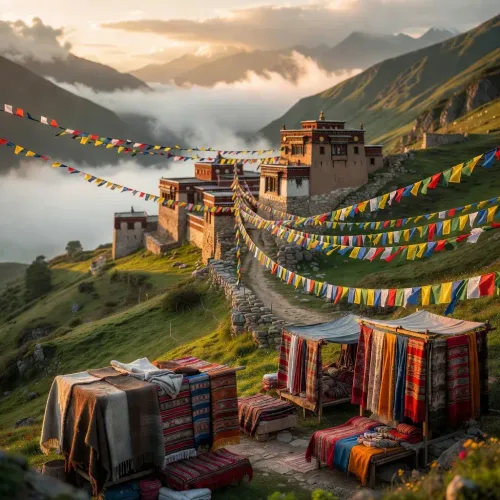
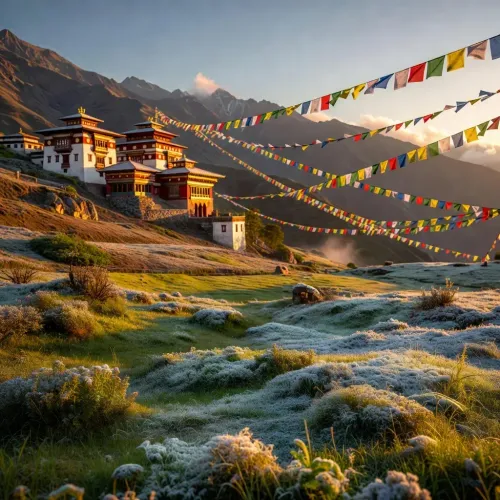
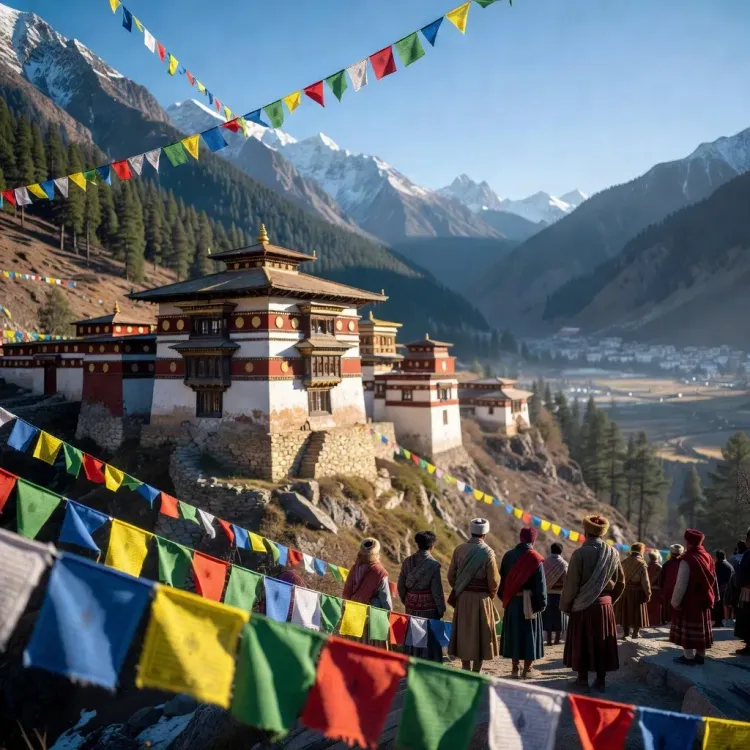
Tawang is no ordinary host. The district sits at roughly 10,000 feet above sea level in far-western Arunachal Pradesh, home to the Tawang Monastery — the largest Buddhist monastery in India — and a living tradition of Monpa tribal culture. Its location near the India-China Line of Actual Control has historically made it as strategically sensitive as it is scenically spectacular.
The ITM's rotation back to Tawang after over a decade reflects the broader pattern of successive governments periodically elevating different Northeast locations to the national tourism spotlight. Each edition is designed to give a specific state or region a concentrated burst of industry attention, helping it attract investment and visitors that remote geographies often struggle to pull independently.
The Northeast's Larger Tourism Push
India's eight North Eastern states — bound together by distinct tribal cultures, exceptional biodiversity and contested connectivity — have been at the heart of central tourism policy for over a decade. The Swadesh Darshan scheme, launched in 2014-15, specifically developed theme-based tourist circuits across the region, stitching together heritage sites, eco-zones, and cultural hubs into itineraries marketable to domestic and global travellers.
The current government has followed this with Swadesh Darshan 2.0, sharpening the focus on sustainable and responsible tourism. The 14th ITM in Tawang arrives as the next wave of projects under that upgraded scheme moves toward rollout — making this Mart a potential staging ground for announcing or accelerating state-level tourism commitments across the region.
Tawang is not waiting to be discovered. The question now is whether the momentum built inside the Mart's halls translates into the air connections, road upgrades, and visitor infrastructure that would make this corner of the Himalayas as accessible as it is extraordinary.
Point of View
The Centre is using high-profile events to build market confidence in regions where connectivity gaps still suppress visitor numbers. The presence of the Union Tourism Minister alongside a neighbouring state's Chief Minister reinforces the 'One Northeast' branding the government has leaned on since the Act East Policy gained momentum. Whether ITM 2026 produces concrete investment pledges or remains symbolic will be the real test of the platform's maturing ambition.
NationPress
30 Oct 2026
Frequently Asked Questions
What is the India Tourism Mart (ITM)?
The India Tourism Mart is a national-level tourism event organised by the central government to market India's travel destinations to domestic and international buyers, tour operators, and travel agents. It regularly features Northeast India as a key focus region.
Why is the 14th ITM being held in Tawang?
Tawang is hosting the ITM for the first time in 13 years as part of a tradition of rotating the event among Northeast locations to spotlight different states' heritage and tourism potential. Tawang's Monastery and Monpa culture make it a high-profile choice.
Who inaugurated the 14th India Tourism Mart in Tawang?
Union Tourism Minister Gajendra Singh Shekhawat and Sikkim Chief Minister Prem Singh Tamang (Golay) graced the inauguration of the 14th ITM in Tawang on October 30, 2026.
What is the Swadesh Darshan scheme and how does it relate to Northeast tourism?
Swadesh Darshan, launched in 2014-15, funds theme-based tourist circuits across India including the Northeast. Its updated version, Swadesh Darshan 2.0, focuses on sustainable tourism and is the policy backbone behind events like the ITM that promote the eight Northeast states.
What is significant about Tawang for Indian tourism?
Tawang is home to the Tawang Monastery, the largest Buddhist monastery in India, and is renowned for its Monpa tribal culture, high-altitude landscapes, and proximity to the India-China border — making it one of the Northeast's most distinctive and strategically notable destinations.