Were There Really 22 Safety Violations and 21 In-Flight Engine Shutdowns in Indian Airlines in 2024?
Click to start listening

Synopsis
In a startling revelation, Indian airlines reported 22 safety violations and 21 engine shutdowns in 2024. Minister Murlidhar Mohol assures investigations are underway to enhance aviation safety. As DGCA ramps up enforcement, what measures are being taken to prevent future incidents?
Key Takeaways
- 22 safety violations reported by Indian airlines in 2024.
- 21 in-flight engine shutdowns recorded.
- Intensified enforcement by the DGCA over the past five years.
- Actions include financial penalties and suspensions.
- Regulations align with international standards.
New Delhi, Dec 18 (NationPress) According to government reports, scheduled Indian airlines encountered a total of 22 safety violations throughout the year 2024. Additionally, there were 21 incidents involving in-flight engine shutdowns during the same period.
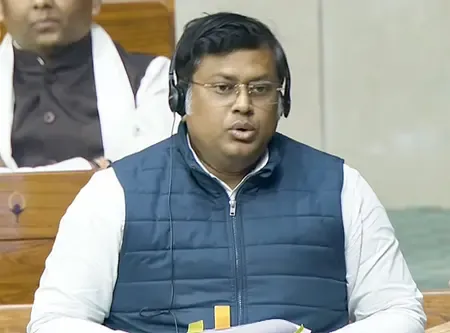
Minister of State for Civil Aviation Murlidhar Mohol informed the Lok Sabha that all incidents are under investigation to determine their causes and to prevent future occurrences.
The Directorate General of Civil Aviation (DGCA) has implemented extensive Civil Aviation Regulations aimed at ensuring the safe operation and maintenance of aircraft. These regulations are regularly updated to meet international standards, including those set by the International Civil Aviation Organisation (ICAO) and the European Union Aviation Safety Agency (EASA).
In 2025, the aviation regulatory body has already taken action against 19 safety-related violations by airlines.
In a prior written response to the Rajya Sabha, Mohol provided detailed statistics regarding airline non-compliance, safety budgets, and staffing shortages among key aviation authorities.
He noted that the DGCA has intensified enforcement measures over the past five years, with actions against scheduled airlines increasing from just two in 2021 to seven in 2022, 10 in 2023, and 22 in 2024, with 19 actions already taken this year.
These enforcement actions include financial penalties, suspensions of approvals, and official warnings. The violations documented by the regulator encompass various safety lapses, such as non-compliance with breath analyzer regulations for crew members, failures in flight data monitoring, unauthorized cockpit access, and inadequate quality assurance audits.
Other infractions involved the misuse of flight simulators lacking DGCA approval, deploying personnel without mandatory training, and breaching Flight Duty Time Limitations.
Reported maintenance issues included the failure to adhere to proper procedures, deficiencies found during spot inspections, and instances where aircraft were operated with expired emergency equipment. The minister indicated that the government has been allocating resources to bolster the DGCA's safety and regulatory oversight, with yearly budget details submitted to Parliament.
Point of View
The reported safety violations in Indian airlines raise significant concerns regarding the aviation sector's operational integrity. While the government and the DGCA are taking steps to address these issues, continuous vigilance and accountability will be crucial in ensuring passenger safety and restoring public confidence in air travel.
NationPress
20/12/2025
Frequently Asked Questions
What are the main safety violations reported by Indian airlines?
The main safety violations include non-compliance with breath analyzer rules, failures in flight data monitoring, unauthorized cockpit access, and maintenance-related deficiencies.
How many engine shutdowns occurred in 2024?
There were 21 reported in-flight engine shutdowns by scheduled Indian airlines in 2024.
What actions has the DGCA taken in response to these violations?
The DGCA has taken various actions including financial penalties, suspensions of approvals, and issuing official warnings to ensure compliance.
How does the DGCA ensure compliance with international standards?
The DGCA continuously updates its Civil Aviation Regulations to align with international standards set by organizations such as ICAO and EASA.
What measures are being taken to improve aviation safety in India?
The government has allocated funds to strengthen the DGCA's safety oversight, and has increased enforcement actions against airlines.