Anantnag attack: Over 2,500 detained as agencies uncover plot to revive Kashmir terror
Synopsis
The killing of a constable on Amarnath Yatra duty in Anantnag has unravelled what officials say is the most organised attempt yet to rebuild terror and separatism in Kashmir since Pahalgam. With over 2,500 detained and an alleged ISI-backed network of former militants, OGWs and separatist operatives exposed, the crackdown signals that the security gains of the past year were more fragile than they appeared.
Key Takeaways
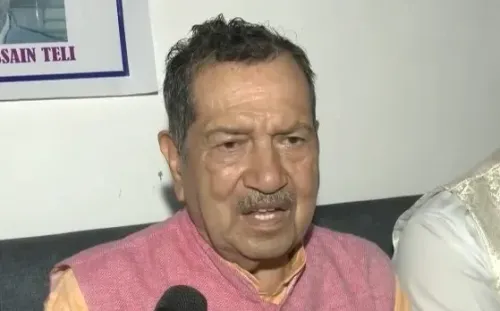
Head constable Ashiq Hussain Qureshi , 45 , was killed on 22 July in Anantnag while on Amarnath Yatra security duty; the attack was claimed by The Resistance Front (TRF) .
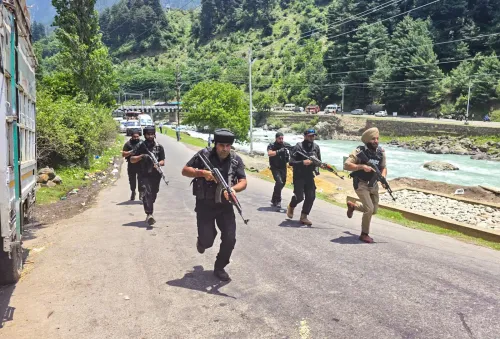
Over 2,500 persons have been detained across Kashmir in the subsequent crackdown, including 700 in Srinagar and 700 across Pulwama , Kulgam , Shopian , and Anantnag .
Officials allege a network of former militants, overground workers, separatist operatives, and stone pelters had been covertly rebuilding terror infrastructure.
Pakistan's ISI is accused of funding separatist operatives to radicalise local youth and build a home-grown terror ecosystem.
This is the first major successful attack in Jammu and Kashmir since the Pahalgam massacre that killed 26 tourists .
An Intelligence Bureau official described the separatism revival as 'a bigger threat than a single terror attack.'
The 22 July terror attack in Anantnag, Jammu and Kashmir, has exposed what security and intelligence officials describe as a coordinated, covert effort to rebuild both militancy and separatism in the Kashmir Valley — the first major strike since the Pahalgam massacre of last year that killed 26 tourists. The killing of head constable Ashiq Hussain Qureshi, 45, who was on Amarnath Yatra security duty, has triggered the most sweeping crackdown in the region in recent months.
Scale of the Crackdown
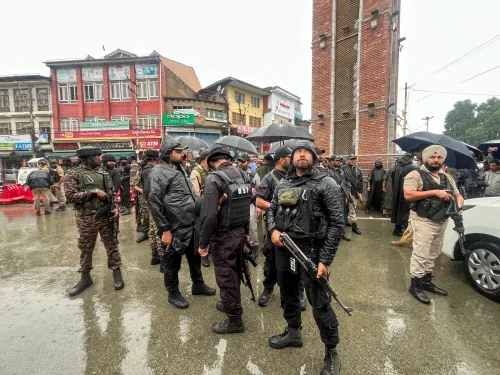
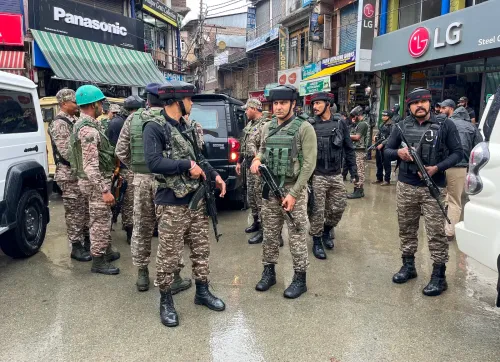
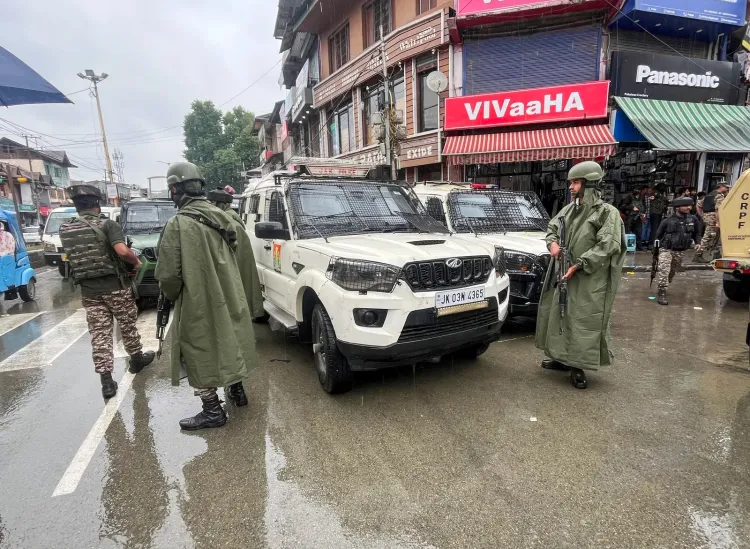
Security and intelligence agencies have detained more than 2,500 persons across Kashmir since the attack, according to officials. The heaviest action was concentrated in the southern districts: Pulwama, Kulgam, Shopian, and Anantnag together accounted for 700 detentions. In Srinagar, around 700 persons were rounded up. Budgam saw 200 detentions, Baramulla recorded 178, Ganderbal saw 100, and Sopore recorded 70.
Officials clarified that not all those detained were directly involved in terror activities. Many are being questioned to identify additional suspects and map the broader network.
The Network Behind the Attack
According to officials, the network allegedly working to revive terror infrastructure comprised former militants, overground workers (OGWs), separatist operatives, and stone pelters. Intelligence inputs indicate these elements had been deliberately lying low — staying off the radar — while quietly rebuilding their structures. 'The idea was to silently rebuild while also carrying out smaller attacks in the Valley,' officials said.
The 22 July attack was claimed by The Resistance Front (TRF), which officials describe as a proxy of Lashkar-e-Taiba that presents itself as an indigenous militant outfit. Officials allege TRF's strategy is to maximise local recruitment so that attacks can be portrayed as the work of home-grown militants, masking cross-border involvement.
The Separatism Threat
An Intelligence Bureau official said the attempt to revive separatism is the larger concern. 'This is a bigger threat than a single terror attack. Separatism changes the narrative, fuels violence and eventually leads to stone pelting, which the Valley witnessed frequently in the past,' the official said.
Officials allege that Pakistan's Inter-Services Intelligence (ISI) has been funding separatist operatives to influence and radicalise local youth, with the stated aim of building a home-grown terror ecosystem that sustains militant activities over time. 'ISI has been making sustained efforts to revive separatism in Jammu and Kashmir, viewing it as a key component of its strategy in the region,' officials said.
Context: Post-Pahalgam Security Gains Under Pressure
Following the Pahalgam attack, security forces had largely kept terror groups on the defensive, foiling multiple attempts at fresh strikes. A significant portion of the overground support network had been dismantled. However, officials acknowledge this remains a continuous process, with new networks emerging every few months.
Notably, this is the first major successful attack since Pahalgam, suggesting that despite sustained pressure, elements within the Valley retained the capacity and intent to strike. Officials say the post-Anantnag investigations have revealed the scale of that residual capacity was larger than previously assessed.
What Comes Next
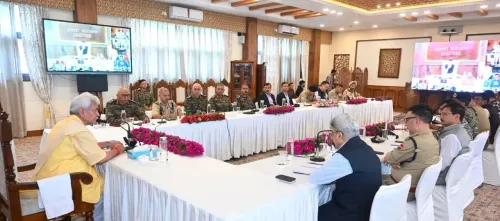
Security agencies say dismantling the OGW network and acting against separatist elements remain twin priorities. The focus on separatist operatives reflects an assessment that radicalisation of youth — rather than cross-border infiltration alone — now poses a structural threat to stability in Jammu and Kashmir. Operations are ongoing, with officials signalling that the crackdown will continue until the revived infrastructure is fully neutralised.
Point of View
500 detentions — inadvertently reveals how extensive the revived network had become before it was disrupted. The focus on separatism as the primary long-term threat is the more significant admission: it concedes that the ideological infrastructure for militancy was being rebuilt even as cross-border infiltration was suppressed. The TRF's 'indigenisation' strategy, if it succeeds in reshaping the perception of Kashmir's conflict as a domestic rather than Pakistan-backed insurgency, would represent a serious diplomatic and counter-narrative challenge for New Delhi.
NationPress
24 Oct 2026
Frequently Asked Questions
What happened in the Anantnag terror attack on 22 July?
Head constable Ashiq Hussain Qureshi, 45, was killed in Anantnag on 22 July while deployed on Amarnath Yatra security duty. The attack was claimed by The Resistance Front (TRF), which officials describe as a Lashkar-e-Taiba proxy.
How many people have been detained after the Anantnag attack?
Over 2,500 persons have been detained across Kashmir following the attack. The highest numbers were recorded in Srinagar (around 700) and across Pulwama, Kulgam, Shopian, and Anantnag combined (700). Officials clarified that not all detainees are directly linked to terror activities.
What is The Resistance Front (TRF) and why is it significant?
TRF is a militant outfit that claimed the Anantnag attack. Officials allege it is a proxy of Lashkar-e-Taiba designed to portray attacks as the work of home-grown militants rather than Pakistan-backed groups, thereby masking cross-border involvement.
Why are agencies treating the separatism revival as a bigger threat than the attack itself?
An Intelligence Bureau official said separatism 'changes the narrative, fuels violence and eventually leads to stone pelting.' Officials argue that radicalising local youth through separatist ideology creates a self-sustaining environment for militancy, making it structurally more dangerous than individual attacks.
How does this attack relate to the Pahalgam massacre?
The Pahalgam attack last year killed 26 tourists and prompted a major security crackdown that kept terror groups largely on the defensive. The Anantnag attack is the first major successful strike since then, suggesting that a residual network had survived and continued to rebuild during the period of relative calm.