AAP Rajya Sabha MPs Merge with BJP: Raghav Chadha Leads Exodus
Synopsis
Seven AAP Rajya Sabha MPs, led by Raghav Chadha, formally merged with the BJP on April 24, citing the party's retreat from honest politics. Home Minister Amit Shah confirmed multiple reasons behind the split. The exodus strips AAP of key national faces including Harbhajan Singh and Swati Maliwal, deepening the party's post-Delhi election crisis.
Key Takeaways
Seven AAP Rajya Sabha MPs , led by Raghav Chadha , formally merged their parliamentary faction with the BJP on April 24, 2025 .
Home Minister Amit Shah confirmed the split, stating the MPs cited multiple reasons for leaving AAP .
Raghav Chadha declared he gave 15 years to AAP but said the party had "stepped away from honest politics." The merger was executed under the Tenth Schedule of the Indian Constitution, requiring a two-thirds majority of the parliamentary group — a threshold met by the seven departing MPs.
Notable departing MPs include Harbhajan Singh and Swati Maliwal , stripping AAP of key national-level faces.
AAP holds 10 Rajya Sabha seats ; with 7 gone, the party risks losing its recognized group status in the Upper House.
New Delhi, April 24: In a seismic political development, seven AAP Rajya Sabha MPs, led by Raghav Chadha, formally merged their parliamentary faction with the BJP on Friday, April 24, invoking constitutional provisions that allow a two-thirds majority faction to merge with another party. Union Home Minister Amit Shah confirmed the development, stating that the departing MPs had cited multiple reasons for their decision to leave the Aam Aadmi Party.
Amit Shah Acknowledges the Split
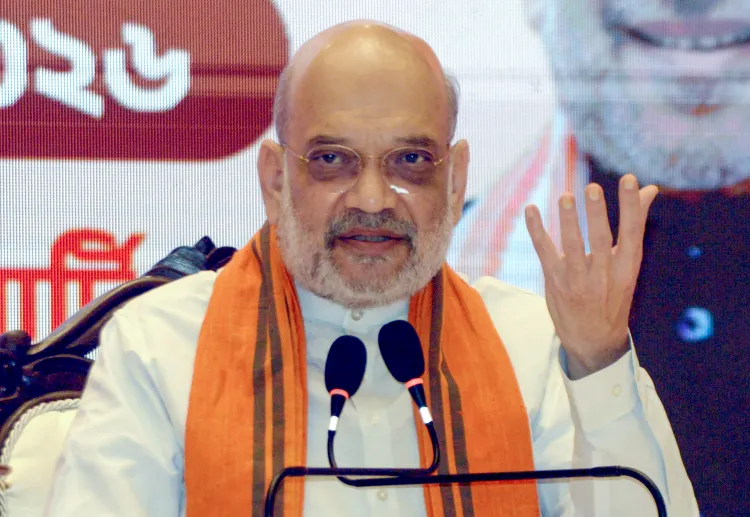
Home Minister Amit Shah, while addressing an election rally in West Bengal, acknowledged the political earthquake unfolding simultaneously in New Delhi. He stated that the AAP MPs from the Rajya Sabha, including Raghav Chadha, had cited several reasons for their decision to part ways with the party founded by Arvind Kejriwal.
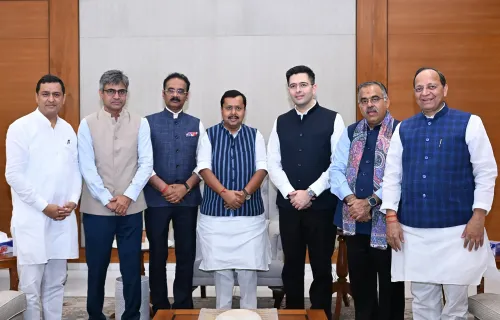
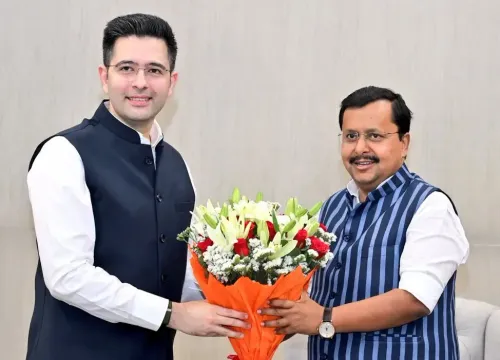
Shah's remarks came as a three-member delegation — comprising Chadha, Sandeep Pathak, and Ashok Mittal — arrived at the BJP National Headquarters in New Delhi to formally meet BJP National President Nitin Nabin. Nabin offered sweets to the incoming MPs, marking a ceremonial welcome into the saffron fold.
Raghav Chadha's Formal Announcement
In a message posted on X (formerly Twitter), Chadha declared: "Today, exercising the provisions of the Constitution of India, more than two-thirds of the AAP MPs in the Rajya Sabha have merged with the BJP. Seven MPs have signed the document, which was submitted to the Hon'ble Chairman of the Rajya Sabha."
He added that he, along with two other MPs, personally handed over the signed merger documents to the Rajya Sabha Chairman. The AAP currently holds 10 seats in the Upper House, making the departure of seven members — constituting more than two-thirds of the group — legally valid under the Tenth Schedule of the Indian Constitution, which governs anti-defection laws.
"Right Man in the Wrong Party" — Chadha's Key Reason
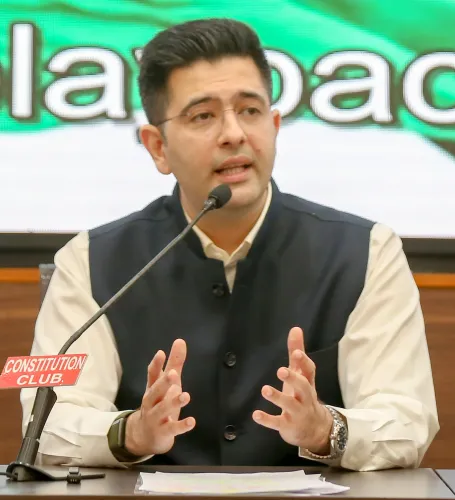
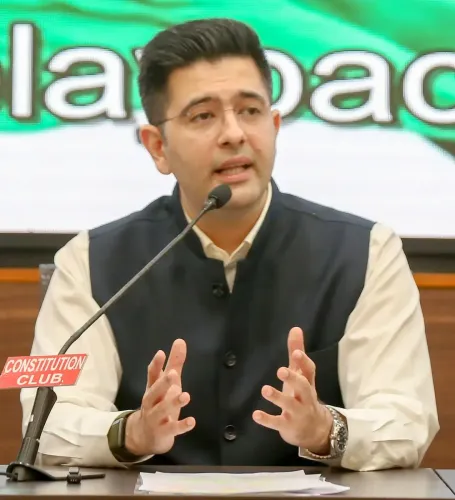
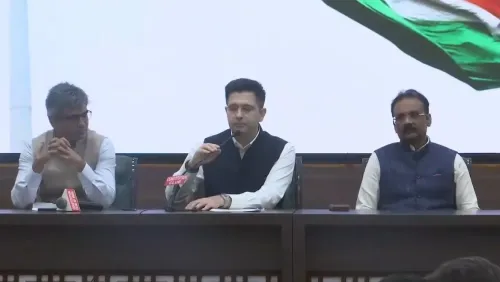
At a press conference held alongside Ashok Mittal and Sandeep Pathak, Chadha delivered an emotionally charged statement, saying, "The AAP that I gave 15 years of my life. Now the party has stepped away from honest politics. I am the right man in the wrong party."
He identified the AAP's departure from honest politics as the central reason behind the mass defection. He also confirmed that prominent AAP Rajya Sabha colleagues including Harbhajan Singh and Swati Maliwal are among those severing ties with the party.
Political Context and Deeper Implications
This development is arguably the most significant internal fracture the AAP has faced since its formation in 2012. The party, which built its identity on anti-corruption politics and clean governance, now faces the irony of its own senior leaders citing a retreat from honest politics as grounds for departure.
Notably, Swati Maliwal had previously been at the center of a high-profile controversy involving alleged misconduct at the Chief Minister's residence, and Harbhajan Singh, the former Indian cricket star, had been a high-profile AAP face in the Rajya Sabha. Their exit, combined with Chadha's departure, strips the party of some of its most recognizable national-level figures.
The timing is also significant — with Delhi Assembly elections having recently concluded in a crushing defeat for AAP, and the party's founder Arvind Kejriwal having faced prolonged legal battles, the exodus signals a deeper crisis of confidence within the party's own ranks. Critics argue this is a structural collapse of the AAP's national ambitions, not merely a political realignment.
The merger also raises questions about the future of AAP's presence in the Rajya Sabha. With only 3 MPs potentially remaining, the party may lose its status as a recognized group in the Upper House, further diminishing its legislative leverage at the national level.
What Happens Next
The merger document has been submitted to the Rajya Sabha Chairman, and its formal acceptance will determine the official status of the defecting MPs. Legal scrutiny under the Tenth Schedule is expected, as AAP may challenge the validity of the merger. Political observers will watch closely whether the remaining 3 AAP Rajya Sabha MPs attempt to contest the merger or accept the new parliamentary reality.
As the BJP consolidates its position in the Upper House and AAP struggles to retain relevance beyond Punjab, this political rupture could reshape the opposition landscape ahead of future state and national elections.
Point of View
Delhi lost, and now the Rajya Sabha faction decimated, AAP's transformation from a national movement to a single-state party appears nearly complete. The BJP, meanwhile, gains not just numbers but a powerful narrative — that AAP's founding promise has been exposed as hollow even by those who lived it from the inside.
NationPress
18 Sept 2026
Frequently Asked Questions
Why did Raghav Chadha and AAP MPs leave to join BJP?
Raghav Chadha cited the AAP's departure from honest politics as the primary reason for the split. He stated he had given 15 years to the party but could no longer remain in it given its current direction.
How many AAP MPs merged with BJP in Rajya Sabha?
Seven AAP Rajya Sabha MPs formally merged with the BJP, constituting more than two-thirds of AAP's 10-member Rajya Sabha group. This threshold is legally required under the Tenth Schedule of the Indian Constitution to avoid disqualification.
What did Amit Shah say about the AAP MPs leaving the party?
Home Minister Amit Shah, speaking at a West Bengal election rally, confirmed that the AAP Rajya Sabha MPs including Raghav Chadha had cited several reasons for parting ways with their party. He did not specify the reasons but acknowledged the multiple factors involved.
Which AAP MPs joined BJP along with Raghav Chadha?
Sandeep Pathak and Ashok Mittal accompanied Chadha to the BJP headquarters for the formal meeting. Harbhajan Singh and Swati Maliwal were also named among the seven MPs who signed the merger document.
What happens to AAP's Rajya Sabha status after the merger?
With seven of its ten Rajya Sabha MPs departing, AAP may lose its status as a recognized parliamentary group in the Upper House. The merger document has been submitted to the Rajya Sabha Chairman and is subject to formal acceptance and potential legal challenge under anti-defection laws.