CM Chandrababu mourns 7 Tamil fishermen dead off Prakasam coast
Synopsis
Seven Tamil Nadu fishermen were found dead aboard a boat that washed ashore at Kothapatanam in Andhra Pradesh's Prakasam district amid Cyclone Murasu's rough seas. Two remain missing. CM Chandrababu Naidu has ordered swift post-mortem formalities and return of bodies to families.
Key Takeaways
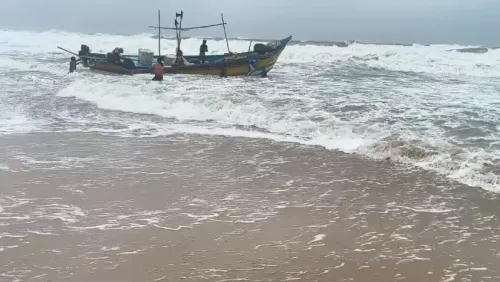
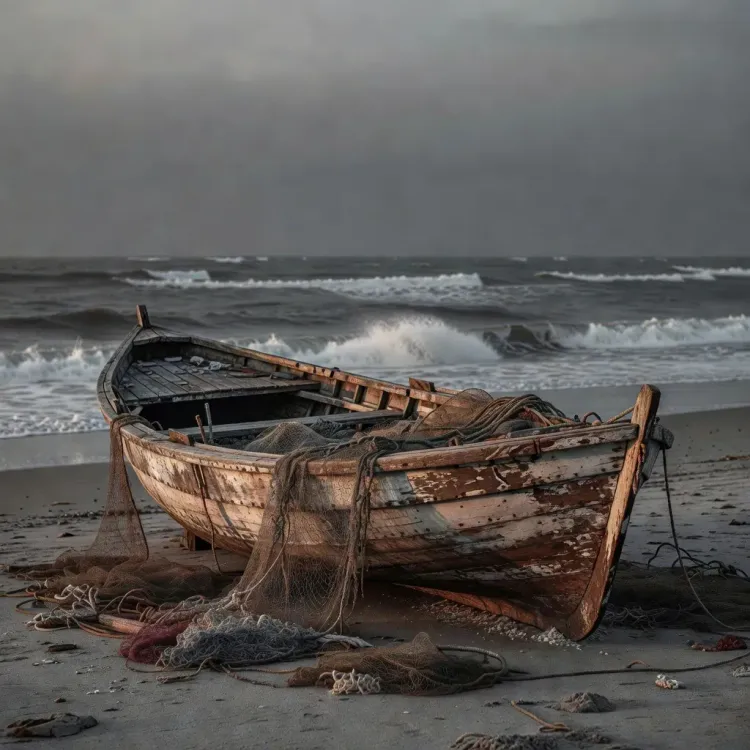
A fishing boat carrying 9 Tamil Nadu fishermen drifted to Kothapatanam beach, Prakasam district, Andhra Pradesh with bodies on board.
7 fishermen are confirmed dead ; 2 remain missing at sea.
Adverse conditions linked to Cyclone Murasu are cited as the cause of the disaster.
CM Nara Chandrababu Naidu expressed deep grief and issued direct orders to expedite identification, post-mortem, and handover of remains to families.
Inter-state coordination between Andhra Pradesh and Tamil Nadu is essential for the search for the missing and repatriation of the deceased.
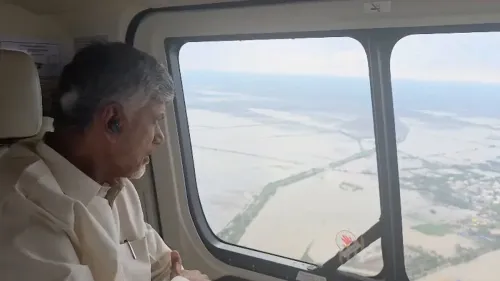
Seven Tamil Nadu fishermen are dead and two more missing after their boat washed ashore at Kothapatanam beach in Prakasam district, Andhra Pradesh, with bodies on board — a tragedy that struck when cyclonic conditions churned the Bay of Bengal into a killing ground. The Chief Minister's Office of Andhra Pradesh announced on Friday, 6 November 2026 that Chief Minister Nara Chandrababu Naidu has expressed deep anguish over the incident and ordered immediate action to return the deceased to their families.
How a boat full of bodies reached Kothapatanam shore
The fishing vessel was carrying nine people when disaster struck at sea. Officials identified all aboard as fishermen from Tamil Nadu. Seven died; the remaining two are unaccounted for. The boat drifted to the Andhra Pradesh coastline, where it was discovered at Kothapatanam in Prakasam district — one of the state's longest coastal stretches along the Bay of Bengal.
Rough weather linked to the impact of Cyclone Murasu is cited as the cause of the adverse sea conditions during which the accident occurred. Bay of Bengal cyclones have historically pushed vessels off course and swamped small fishing craft, with Tamil Nadu-based fishermen particularly exposed when storms track along the southeastern coast.
CM Naidu's direct orders on identification and handover
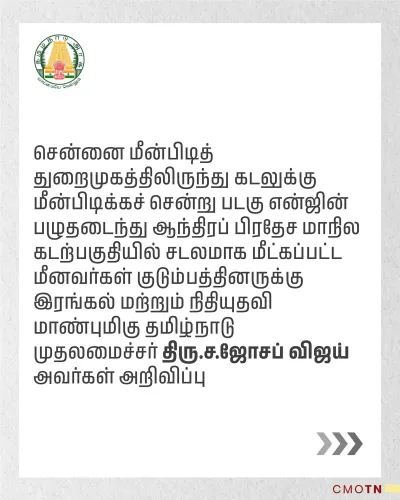
Chief Minister Chandrababu Naidu issued specific directives: identify the bodies, complete post-mortem and all required procedural formalities swiftly, and hand the remains over to the victims' families without delay. The instruction signals the administration's intent to prevent the additional anguish of prolonged bureaucratic processing for grieving relatives who may have to travel from Tamil Nadu to claim their kin.
Coordination between Andhra Pradesh and Tamil Nadu authorities will be critical — both for search operations targeting the two missing fishermen and for the smooth repatriation of bodies across the state boundary. Inter-state protocols in such maritime tragedies can slow the process unless senior political intervention, as seen here, accelerates the machinery.
A recurring danger for Bay of Bengal fishing communities
This is not an isolated horror. The Bay of Bengal's cyclone season routinely catches small fishing boats in lethal conditions, and vessels from one state frequently meet disaster in another state's waters. Fishing communities along the southeastern coast — among India's most economically vulnerable — often lack real-time weather updates or early-warning equipment adequate for rapid cyclone intensification.
The deaths off Prakasam are a sharp reminder that maritime safety infrastructure for small-scale fishermen remains a live and urgent policy gap, one that no single state government can fully close alone.
With two fishermen still missing at sea, every hour of coordinated search effort counts — and the families waiting onshore in Tamil Nadu are counting every one of them.
Point of View
Where delays could strain inter-state goodwill during an active disaster. The incident also exposes the persistent maritime safety gap for small-scale Bay of Bengal fishermen, a constituency both Andhra Pradesh and Tamil Nadu governments need to address structurally, not just case by case. Bay of Bengal cyclones are becoming more frequent and intense, making this a governance stress-test that will repeat unless early-warning and vessel-safety infrastructure is urgently upgraded. The two still-missing fishermen will keep political and administrative pressure elevated in the coming days.
NationPress
6 Nov 2026
Frequently Asked Questions
What happened to the Tamil Nadu fishermen off the Andhra Pradesh coast?
A fishing boat carrying nine Tamil Nadu fishermen encountered dangerous sea conditions reportedly linked to Cyclone Murasu and drifted to Kothapatanam beach in Prakasam district, Andhra Pradesh, with seven bodies on board. Two fishermen remain missing.
How many fishermen died in the Kothapatanam boat tragedy?
Seven fishermen were found dead aboard the boat. Two others who were on the vessel are still missing.
What has CM Chandrababu Naidu ordered after the fishermen's deaths?
CM Nara Chandrababu Naidu directed officials to identify the bodies, complete post-mortem and all required formalities quickly, and hand over the remains to the victims' families without delay.
Which cyclone caused the rough seas in this fishing boat accident?
The incident is attributed to adverse sea conditions caused by the impact of Cyclone Murasu, which created dangerous weather in the Bay of Bengal at the time.
Where exactly did the fishing boat wash ashore in Andhra Pradesh?
The boat washed ashore at Kothapatanam beach in Prakasam district, a coastal district of Andhra Pradesh along the Bay of Bengal.