Nine Indian fishermen arrested by Sri Lankan Navy in Palk Strait
Synopsis
More than 50 Indian trawlers were spotted in Sri Lankan waters on 23 July — but only nine fishermen were arrested and one vessel seized. The numbers tell the real story: 128 Indian fishermen detained and 18 trawlers impounded in Sri Lanka already this year, with no diplomatic resolution in sight.
Key Takeaways
The Sri Lankan Navy arrested nine Indian fishermen and seized one trawler on 23 July near Talaimannar .
More than 50 Indian fishing trawlers were allegedly spotted in Sri Lankan waters south of Iranativu during the operation.
The arrested fishermen and the impounded vessel were handed over to the Fisheries Inspector in Mannar for legal proceedings.
As of 15 April 2025 , Sri Lanka had arrested 128 Indian fishermen and seized 18 trawlers this year.
The Palk Strait dispute — centred on bottom trawling and IMBL crossings — remains unresolved despite repeated diplomatic engagement between New Delhi and Colombo .
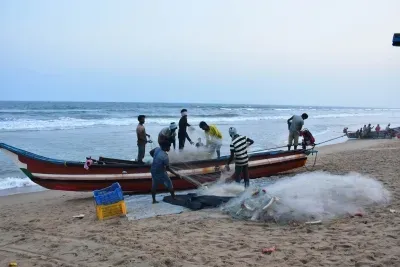
The Sri Lankan Navy arrested nine Indian fishermen and seized their fishing trawler on 23 July after the vessel allegedly crossed the International Maritime Boundary Line (IMBL) and entered Sri Lankan territorial waters, officials said. The fishermen were reportedly intercepted north of Talaimannar, adding yet another flashpoint to one of the most enduring disputes in India-Sri Lanka relations.
How the Arrests Unfolded
According to the Sri Lankan Navy, a maritime surveillance and enforcement operation was launched after naval personnel detected a large group of Indian fishing boats operating in Sri Lankan waters. More than 50 Indian fishing trawlers had allegedly crossed into Sri Lankan waters south of Iranativu and were engaged in fishing activities when the operation was initiated.
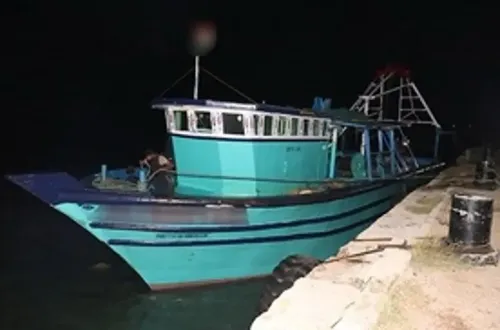
During the operation, one trawler was intercepted and nine fishermen on board were taken into custody. The seized vessel was subsequently handed over to the Fisheries Inspector in Mannar for further legal proceedings under Sri Lankan fisheries laws. The identities of the arrested fishermen have not been disclosed by authorities.
The Broader Pattern of Arrests
This incident is far from isolated. Official figures released by the Sri Lankan Navy show that, as of 15 April this year, 128 Indian fishermen had been arrested and 18 Indian fishing trawlers seized for allegedly poaching in Sri Lankan waters. The latest arrests push that count higher, underscoring the frequency with which such incidents occur in the Palk Strait.
Sri Lankan authorities have intensified maritime patrols in recent years, particularly targeting mechanised bottom trawlers, which Colombo contends cause severe damage to marine resources and the seabed. Indian fishermen, however, argue that dwindling fish stocks and the proximity of the maritime boundary often result in unintentional crossings.
A Persistent Diplomatic Sore Point
The Palk Strait, the narrow waterway separating the northern coast of Sri Lanka from Tamil Nadu, remains one of the region's richest fishing grounds and a chronic source of bilateral friction. Tamil Nadu fishermen have repeatedly asserted their right to access traditional fishing grounds in the strait, while Sri Lanka has maintained strict enforcement against what it describes as illegal incursions into its territorial waters.
Periodic diplomatic engagements between New Delhi and Colombo have sought to address the issue through dialogue, but arrests and boat seizures continue to recur with regularity. No breakthrough framework for managing cross-border fishing rights has been agreed upon to date.
What Happens Next
The nine fishermen are expected to face legal proceedings under Sri Lankan fisheries laws, with the case handled through the Mannar district fisheries authorities. Consular access and repatriation efforts typically involve coordination between the Indian High Commission in Colombo and Tamil Nadu state government officials, though no official statement from either side had been issued at the time of reporting.
Point of View
And the pace shows no sign of slowing. Diplomatic engagement between New Delhi and Colombo has produced goodwill statements but no binding framework — no joint patrolling protocol, no agreed compensation mechanism, no transition plan away from bottom trawling. Tamil Nadu's fishing communities are caught between an economic reality — depleted inshore stocks pushing them toward the IMBL — and a legal one that Sri Lanka enforces with growing vigour. Until both governments treat this as a livelihood crisis requiring structural solutions rather than a recurring consular inconvenience, the cycle of arrests will continue.
NationPress
22 Oct 2026
Frequently Asked Questions
Why were the nine Indian fishermen arrested by the Sri Lankan Navy?
The nine Indian fishermen were arrested on 23 July for allegedly crossing the International Maritime Boundary Line (IMBL) and fishing without authorisation in Sri Lankan territorial waters near Talaimannar. Their trawler was also seized and handed over to the Fisheries Inspector in Mannar for legal proceedings.
How many Indian fishermen has Sri Lanka arrested in 2025 so far?
According to official Sri Lankan Navy figures, as of 15 April 2025, a total of 128 Indian fishermen had been arrested and 18 Indian fishing trawlers seized for allegedly poaching in Sri Lankan waters. The 23 July arrests add to that count.
What is the Palk Strait dispute between India and Sri Lanka?
The Palk Strait is a narrow waterway separating Tamil Nadu from northern Sri Lanka and one of the region's richest fishing grounds. Indian fishermen — particularly from Tamil Nadu — have traditionally fished these waters, but Sri Lanka enforces strict controls against crossings of the IMBL, especially by mechanised bottom trawlers that Colombo says damage marine ecosystems.
What happens to Indian fishermen arrested by Sri Lanka?
Arrested fishermen are typically handed over to Sri Lankan fisheries authorities for legal proceedings under local fisheries laws. Repatriation usually involves the Indian High Commission in Colombo and Tamil Nadu state officials, though the process can take weeks or months.
Has diplomacy resolved the India-Sri Lanka fishing dispute?
Periodic diplomatic talks between New Delhi and Colombo have taken place, but no lasting framework has been established. Arrests and boat seizures continue to occur regularly, indicating that bilateral dialogue has not yet produced an enforceable solution to the cross-border fishing conflict.