Did the Sri Lankan Navy Arrest 22 Tamil Nadu Fishermen Near Katchatheevu?
Synopsis
In a troubling escalation of tensions in the Palk Strait, the Sri Lankan Navy has detained 22 fishermen from Tamil Nadu, sparking alarm among local communities and raising questions about fishing rights in contested waters. The ongoing issue highlights the urgent need for diplomatic resolutions to protect livelihoods.
Key Takeaways
Sri Lankan Navy apprehended 22 Tamil Nadu fishermen.
Incident occurred near Katchatheevu , heightening tensions.
Fishermen's boats were seized during the arrest.
Families are concerned about the detained fishermen's wellbeing.
Calls for diplomatic intervention to resolve the issue.
Chennai, Feb 19 (NationPress) In a significant incident that underscores the ongoing tensions in the Palk Strait, the Sri Lankan Navy apprehended 22 fishermen from Tamil Nadu on Thursday for allegedly breaching the International Maritime Boundary Line (IMBL) and conducting fishing operations in Sri Lankan waters.
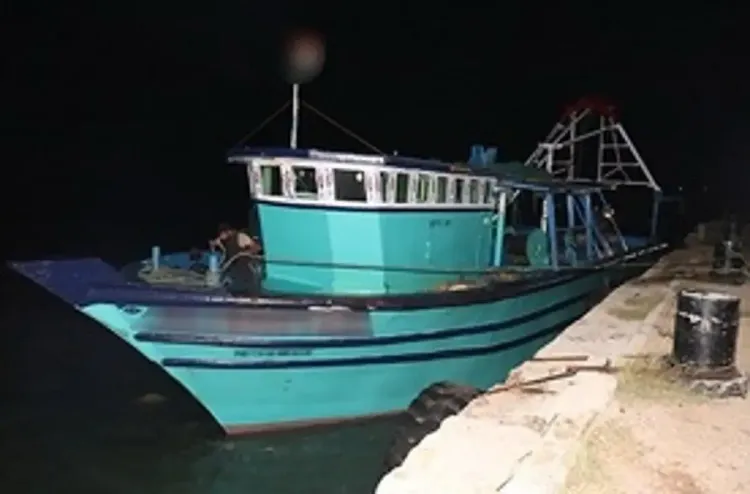
Additionally, four mechanized boats utilized by the fishermen were confiscated.
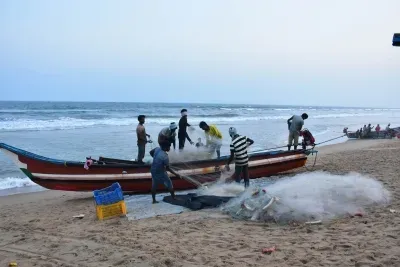
As reported by fisheries department sources, the fishermen originated from Rameswaram and Mandapam in the Ramanathapuram district. They had set sail on Wednesday night in four boats for their regular fishing activities.
The arrests occurred during the early hours of Thursday near Katchatheevu, a small islet in the Palk Strait that has been a long-standing sensitive issue between India and Sri Lanka.
Sri Lankan naval personnel reportedly intercepted the boats while the fishermen were engaged in fishing and accused them of violating the maritime boundary.
The detained fishermen were taken into custody and brought to the Mannar naval camp for further interrogation.
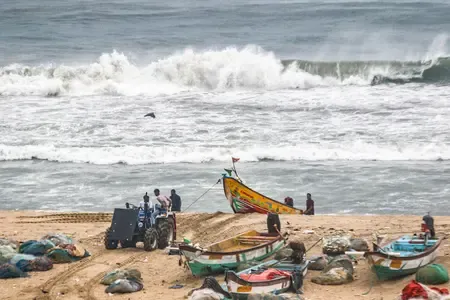
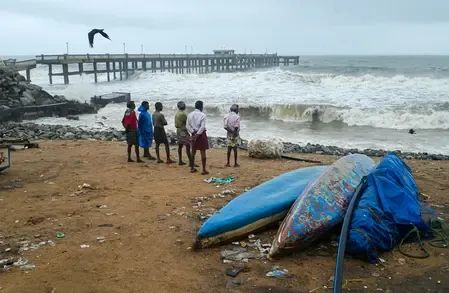
This incident has sparked anxiety and distress among fishing communities in coastal Tamil Nadu, particularly in Rameswaram and Mandapam, where families are anxiously awaiting news about their detained loved ones.
Frequent arrests by the Sri Lankan Navy over poaching and boundary infringement allegations have strained both livelihoods and diplomatic relations.
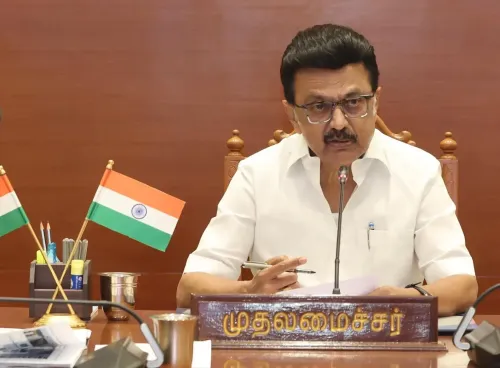
Fishermen’s associations have called upon the state and central governments to take prompt action to secure the release of the detained fishermen and their boats.
Family members have also urged for rapid diplomatic intervention, citing that these arrests have inflicted considerable emotional and financial distress.
The Palk Strait, a narrow waterway dividing India and Sri Lanka, has seen ongoing confrontations over fishing rights.
Fishermen from Tamil Nadu often venture close to Katchatheevu, an area traditionally used for fishing, which now falls under Sri Lankan jurisdiction.
Despite periodic talks and assurances, arrests and boat seizures persist, highlighting the urgent need for a sustainable solution to safeguard the livelihoods of coastal fishing communities on both sides.
Point of View
The ongoing arrests of Tamil Nadu fishermen by the Sri Lankan Navy pose significant challenges not only to local livelihoods but also to diplomatic relations. The continuous strain on fishing rights in the Palk Strait demands immediate attention from both governments to facilitate a sustainable resolution that respects the interests of the communities involved.
NationPress
23 Sept 2026
Frequently Asked Questions
Why were the fishermen arrested?
The fishermen were arrested for allegedly crossing the International Maritime Boundary Line (IMBL) and fishing in Sri Lankan waters.
What are the implications of these arrests?
These arrests exacerbate tensions in the Palk Strait and impact the livelihoods of local fishing communities.
Where were the fishermen from?
The detained fishermen hailed from Rameswaram and Mandapam in the Ramanathapuram district of Tamil Nadu.
What actions are being taken by fishermen's associations?
Fishermen’s associations have urged state and Union governments to intervene for the release of the detained fishermen and their boats.
What is the historical context of fishing rights in the Palk Strait?
The Palk Strait has been a disputed area for fishing rights between India and Sri Lanka, leading to frequent confrontations and arrests.