Abhishek Banerjee questioned 8.5 hours by CID in Bengal signature mismatch case
Synopsis
TMC's second-most powerful figure spent over eight-and-a-half hours under CID questioning in Kolkata — his second session in four days in the Assembly signature mismatch case. With the ED summoning him the very next day over the school-job scam and another CID notice on Tuesday over alleged threats to Home Minister Amit Shah, Abhishek Banerjee faces an extraordinary triple-front legal reckoning.
Key Takeaways
Abhishek Banerjee was questioned by the West Bengal CID for over 8.5 hours at Bhabani Bhawan , Kolkata, on 14 June .
This was his second CID session in four days — he was questioned for 5.5 hours on 11 June in the same Assembly signature mismatch case.
TMC MLA Kunal Ghosh was questioned for around 4 hours and disclosed he was confronted face to face with Banerjee by CID officials.
The Calcutta High Court has directed Banerjee to cooperate with the CID but barred coercive action for two weeks — protection limited to this case only.
Banerjee is scheduled to face the Enforcement Directorate on 15 June over the multi-crore school-job scam and the CID again on 16 June over alleged threats to Home Minister Amit Shah .
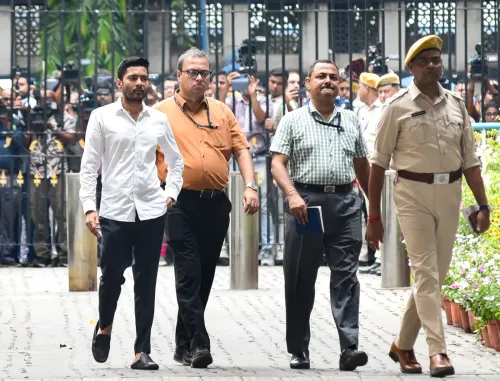
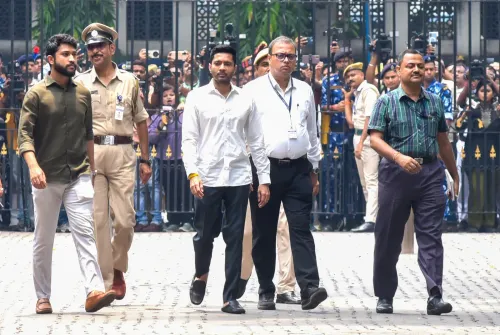
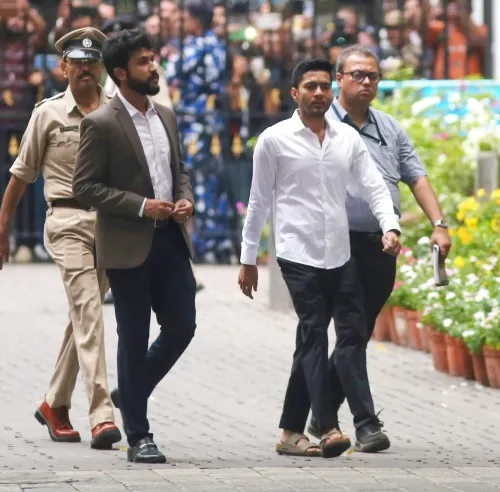
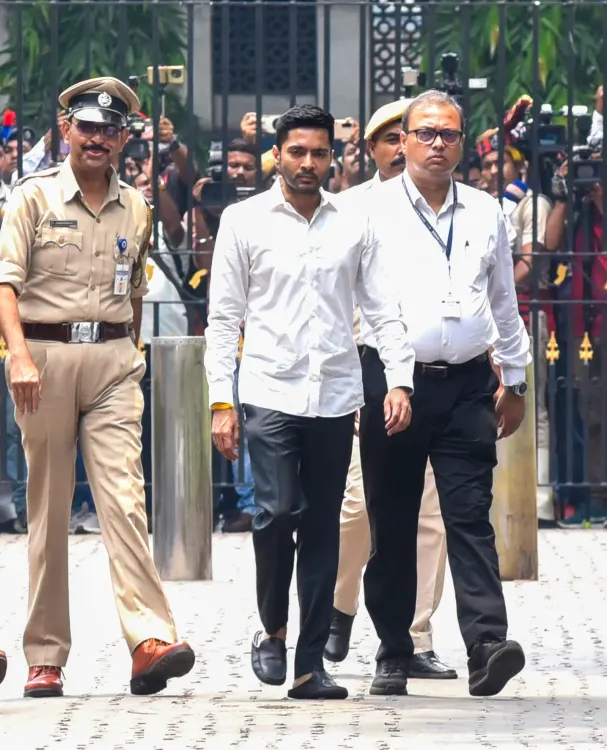
All India Trinamool Congress (TMC) National General Secretary and Diamond Harbour Lok Sabha member Abhishek Banerjee was questioned for over eight-and-a-half hours by the West Bengal Criminal Investigation Department (CID) on Sunday, 14 June, in connection with the Assembly signature mismatch case. Banerjee exited the CID headquarters at Bhabani Bhawan, Kolkata, at around 8.20 pm, following an intense session that underscores the mounting legal pressure on one of Bengal's most prominent political figures.
How the Day Unfolded
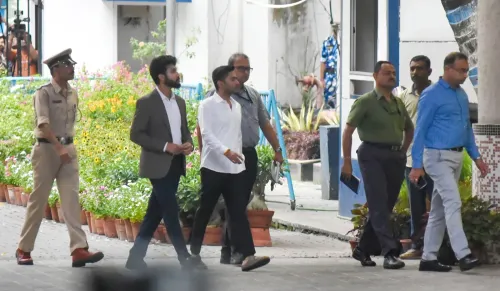
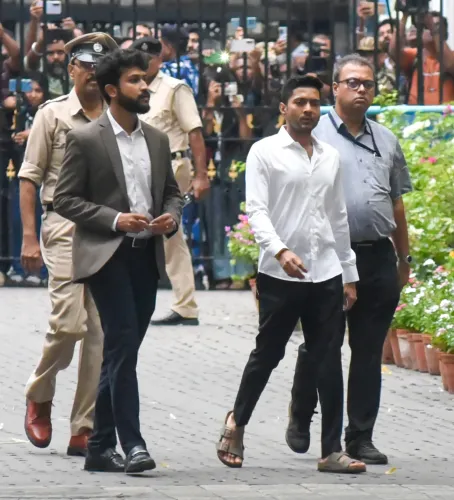
Banerjee arrived at Bhabani Bhawan at around 11.43 am — ahead of the noon deadline set by the CID. He proceeded to the reception, showed his identity card, and signed the attendance register before entering the premises. Security arrangements were significantly reinforced, with additional state police personnel and Central forces deployed around the building. Despite it being a public holiday, CID officials had reported to duty in the morning to conduct the session.
This was Banerjee's second round of questioning in the same case within the week. He had previously appeared before CID officials on Thursday, 11 June, when he was questioned for approximately five-and-a-half hours. After leaving the CID office on Sunday night, he headed to Mamata Banerjee's residence in Kalighat.
Kunal Ghosh Questioned Face to Face with Abhishek
TMC MLA from Beleghata, Kunal Ghosh, was also summoned and appeared at Bhabani Bhawan on Sunday, where he was questioned for around four hours. After his session concluded, Ghosh revealed that he had been questioned face to face with Abhishek Banerjee by CID officials — a notable procedural detail suggesting investigators are cross-examining accounts in the signature mismatch matter.
Ghosh said he cooperated fully with the investigation. Before entering Mamata Banerjee's residence in Kalighat, he told reporters: 'I am a witness in this case. I have cooperated with the investigation. I have done what was required of me.' He declined to elaborate further.
Calcutta High Court's Role
The Calcutta High Court had directed Banerjee to cooperate with the CID investigation. The court also stipulated that the CID would not take any coercive action against him for a period of two weeks. This judicial shield, however, applies only to the Assembly signature mismatch case and not to the two additional matters Banerjee is scheduled to face in the coming days.
What Comes Next: ED and More CID Scrutiny
Banerjee's legal calendar is unusually crowded. On Monday, 15 June, he is scheduled to appear before the Enforcement Directorate (ED) at its Salt Lake office in connection with the multi-crore cash-for-school-job scam in West Bengal. The ED had served him a notice in the matter on 3 June.
On Tuesday, 16 June, he is again scheduled to appear at Bhabani Bhawan for questioning in a separate case in which he has been accused of inciting violence and threatening Union Home Minister Amit Shah ahead of the recently concluded Assembly elections in the state. The CID served him a notice in that matter on the evening of 12 June.
Notably, Banerjee does not currently have any High Court protection against police action in either of these two cases. Whether he will appear before the concerned agencies on Monday and Tuesday remains unclear as of now.
Point of View
ED once — signal a coordinated legal squeeze on Trinamool's second-in-command at a politically sensitive moment. The Calcutta High Court's two-week protection shields Banerjee only in the signature mismatch matter, leaving him exposed in the school-job scam and the Amit Shah threat case. Whether this is routine investigative procedure or a politically timed escalation is a question neither side is answering honestly. What is clear is that the legal calendar now controls Banerjee's political calendar — and that is itself a significant shift in Bengal's power dynamics.
NationPress
14 Sept 2026
Frequently Asked Questions
What is the Assembly signature mismatch case involving Abhishek Banerjee?
The Assembly signature mismatch case is a West Bengal CID investigation into alleged irregularities involving signatures in Assembly-related documents. Abhishek Banerjee, TMC National General Secretary and Diamond Harbour MP, has been questioned twice in the case — for 5.5 hours on 11 June and for over 8.5 hours on 14 June.
What did Kunal Ghosh say after his CID questioning on 14 June?
TMC MLA Kunal Ghosh said he cooperated fully with the investigation and described himself as a witness in the case. He also revealed that CID officials had questioned him face to face with Abhishek Banerjee, before heading to Mamata Banerjee's Kalighat residence.
Does the Calcutta High Court's order protect Abhishek Banerjee from arrest?
The Calcutta High Court has directed the CID not to take coercive action against Banerjee for two weeks, but this protection applies only to the Assembly signature mismatch case. He has no such court protection in the ED's school-job scam probe or the CID's case related to alleged threats to Home Minister Amit Shah.
What other cases is Abhishek Banerjee facing?
Banerjee is scheduled to appear before the Enforcement Directorate on 15 June in connection with the multi-crore cash-for-school-job scam in West Bengal, for which the ED served him a notice on 3 June. On 16 June, he is again summoned by the CID over a separate case in which he is accused of inciting violence and threatening Home Minister Amit Shah before the recent Assembly elections.
Will Abhishek Banerjee appear before the ED and CID on Monday and Tuesday?
It is not yet confirmed whether Banerjee will appear before the ED on 15 June or before the CID on 16 June. He currently has no High Court protection against police or agency action in either of those two cases.