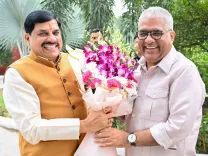
Kishan Reddy: Centre rolls out 125-day rural jobs push in Telangana

Synopsis
Citing El Niño-driven farm work shortages, Union Minister G. Kishan Reddy says the Modi government has launched the VB-GRAM G scheme offering 125 days of rural employment across Telangana's 12,760 gram panchayats, covering 8.83 lakh works worth Rs 6,375 crore from November 2026.
Key Takeaways
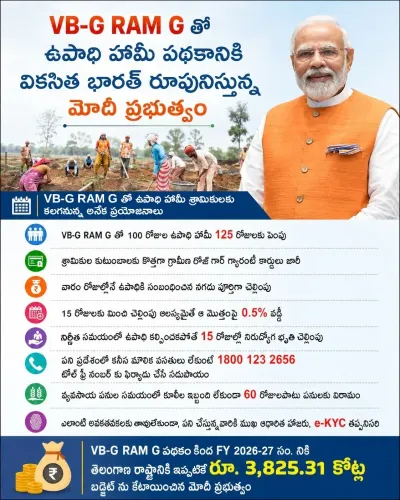
VB-GRAM G scheme will provide 125 days of employment in rural Telangana from 1 November 2026 to June 2027 , targeting workers displaced by El Niño-linked agricultural slowdowns.
A total of 8,83,845 development works have been approved across 12,760 gram panchayats in Telangana.
The combined value of sanctioned works is Rs 6,375.52 crore , with the Central government contributing 60 per cent (Rs 3,825.31 crore) .
The scheme extends beyond the standard MGNREGA guarantee of 100 days per year, acting as a counter-cyclical employment buffer during weather-stress periods.
Kishan Reddy , also Telangana BJP president, made the announcement, positioning the Centre as a proactive partner for rural welfare in the state.
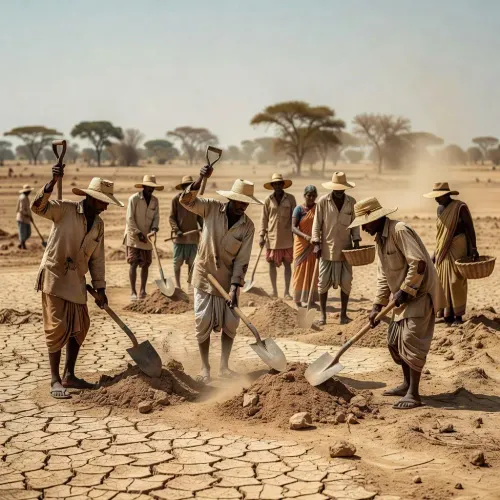
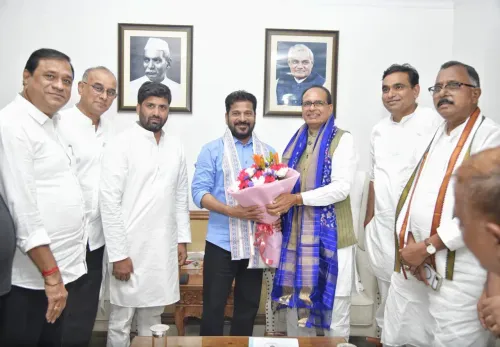
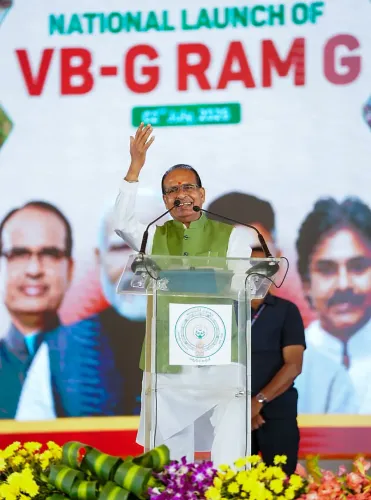
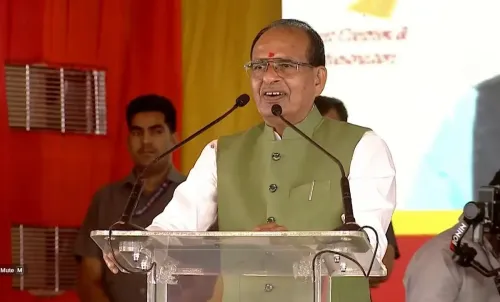
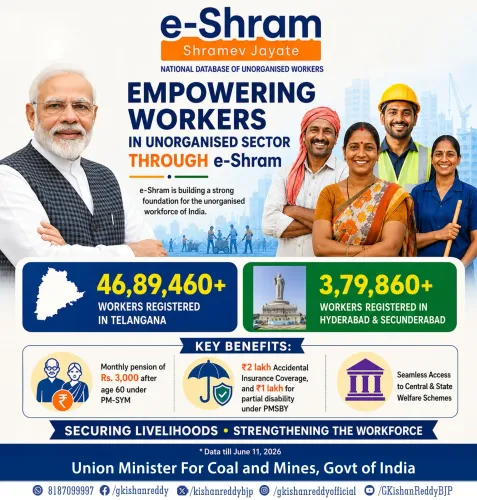
When El Niño squeezes farm work dry, the bills don't stop coming for rural labourers. Responding to that pressure head-on, Union Coal and Mines Minister and BJP Telangana President G. Kishan Reddy announced on Thursday, 29 October 2026 that the Central government, under Prime Minister Narendra Modi, has launched a special action plan to stand by village wage workers through the lean agricultural season.
At the centre of the intervention is the VB-GRAM G scheme, which promises 125 days of employment in rural areas — running from 1 November 2026 through to June 2027. That window is precisely calibrated to cover the months when El Niño-linked rainfall disruptions tend to hollow out agricultural labour demand, leaving daily-wage workers with shrinking incomes and few alternatives.
8.83 lakh works cleared across Telangana's gram panchayats
The scale of the operational machinery behind the announcement is striking. Across 12,760 gram panchayats in Telangana, a total of 8,83,845 development works have been given the green signal. These are not approvals sitting in a file — Reddy's post frames them as works ready to roll, giving local bodies an immediate pipeline of activity to absorb idle labour.
The total value of works sanctioned stands at Rs 6,375.52 crore. Of that, the Central government's share — fixed at 60 per cent — comes to Rs 3,825.31 crore. The remaining 40 per cent is the state's contribution, a cost-sharing structure consistent with how centrally-sponsored rural employment and development programmes are typically structured.
El Niño, MGNREGA, and the logic of counter-cyclical work
The move fits a broader pattern in Indian rural welfare policy. The Mahatma Gandhi National Rural Employment Guarantee Act (MGNREGA), enacted in 2005, guarantees a minimum of 100 days of wage employment per year to rural households. The VB-GRAM G scheme, at 125 days, extends that floor during a period of weather-induced agricultural stress — effectively using public works as a counter-cyclical income buffer precisely when private-sector farm employment collapses.
Central governments have supplemented MGNREGA workdays during previous El Niño cycles as well, treating the rural work guarantee as a live policy lever rather than a static entitlement. Whether the Rs 3,825.31 crore Centre share flows to Telangana on schedule, and how quickly the 8.83 lakh works translate into actual days of employment on the ground, will be the real test of the scheme's reach.
For the BJP in Telangana — where the party remains in opposition to the Congress state government — the announcement also carries a political dimension: Reddy is positioning the Centre visibly as the guarantor of rural welfare in a state where agrarian distress is a perennial electoral flashpoint. The kicker writes itself: 125 days of work is only as good as the first day it begins, and that clock starts 1 November 2026.
Point of View
Broadcasting a Rs 6,375 crore rural package in Telangana also serves a distinct political purpose: it allows the party's state unit to claim credit for Centre-funded welfare in a Congress-governed state heading deeper into its electoral cycle. The 60-40 Centre-state funding split means the Telangana government's cooperation is structurally necessary for execution, setting up a potential accountability dynamic between the two governments. The real policy question is implementation velocity — whether nearly nine lakh works can be meaningfully activated within the seven-month window before the monsoon resets the agricultural calendar.
NationPress
29 Oct 2026
Frequently Asked Questions
What is the VB-GRAM G scheme announced for Telangana?
VB-GRAM G is a Central government rural employment scheme announced by Union Minister G. Kishan Reddy that will provide 125 days of work in Telangana villages from 1 November 2026 to June 2027, aimed at supporting rural labourers during El Niño-driven agricultural slowdowns.
How many gram panchayats are covered under this scheme in Telangana?
The scheme covers all 12,760 gram panchayats in Telangana, under which 8,83,845 development works have been approved.
What is the total budget for rural employment works in Telangana under this plan?
The total value of sanctioned works is Rs 6,375.52 crore . The Central government will fund 60 per cent of this, contributing Rs 3,825.31 crore , with the state bearing the remaining 40 per cent.
How does VB-GRAM G differ from MGNREGA?
MGNREGA guarantees a minimum of 100 days of rural wage employment per year. VB-GRAM G extends that to 125 days during a specific weather-stress period linked to El Niño, functioning as a supplemental employment push over and above the base guarantee.
Why is the Central government launching this scheme now?
The scheme is a direct response to El Niño weather patterns that have reduced agricultural work opportunities in rural areas, leaving daily-wage labourers with reduced income. The November 2026 to June 2027 window targets the lean season before the next monsoon.