Revanth Reddy seeks 11.56 lakh PMAY-G houses for Telangana
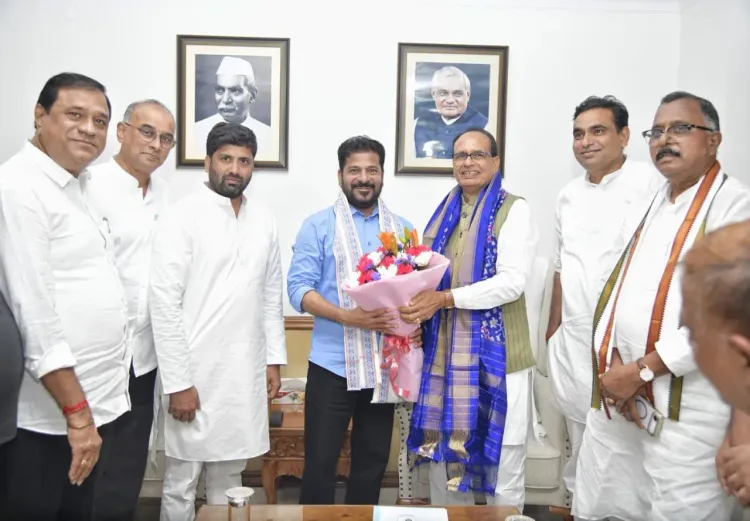
Synopsis
Telangana CM Revanth Reddy has formally requested Union Minister Shivraj Singh Chouhan to sanction over 11.56 lakh PMAY-G houses for the state and expand MGNREGA to cover horticulture, sericulture, and bamboo works, citing El Nino-driven farm unemployment among SC, ST, and marginal farmer communities.
Key Takeaways
11,56,915 houses sought by Telangana under PMAY-G from Union Minister Shivraj Singh Chouhan .
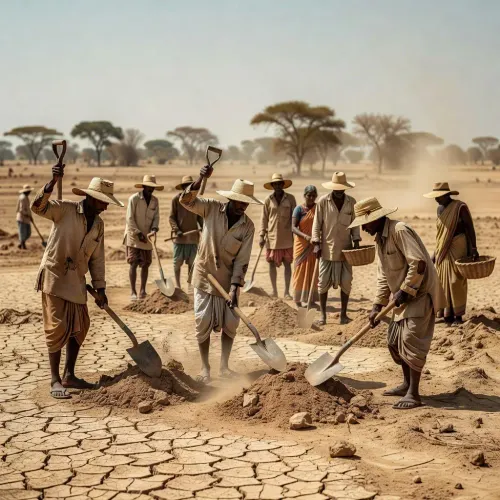
Request driven by El Nino -linked loss of agricultural work for SC, ST, small and marginal farmers, and agricultural labourers .
CM Revanth Reddy asked for inclusion of vegetable pandals, mulberry plantations, sericulture sheds, fodder plots, kitchen gardens, and bamboo groves under MGNREGA (VBG Ram Ji) .
Telangana proposed replicating the Indiramma Indlu model — giving MGNREGA beneficiaries up to 90 days of employment during house construction.
The requests follow an established pattern of states seeking PMAY-G and MGNREGA flexibility during climate-shock years.
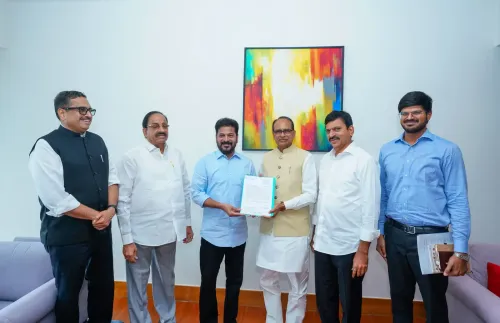
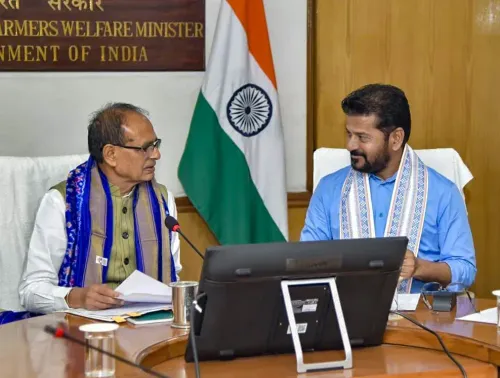
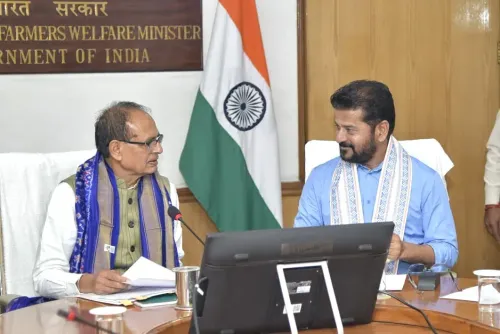
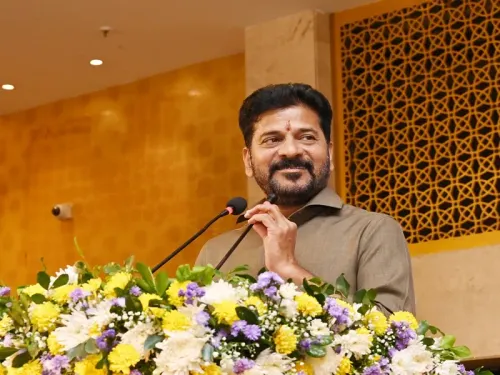
With El Nino squeezing farm work out of rural Telangana, Chief Minister A. Revanth Reddy has taken the fight for his state's rural poor directly to the Centre — writing to Union Minister Shivraj Singh Chouhan on 28 July 2026 with a two-pronged demand: more houses and more work.
The 11.56-lakh house demand
Revanth Reddy has formally requested the allocation of 11,56,915 houses under the Pradhan Mantri Awas Yojana-Gramin (PMAY-G), the Centre's flagship rural housing mission. The ask is not incidental — it mirrors the scale of distress Telangana's rural households are facing as an El Nino year strips agricultural calendars bare, leaving SC, ST, small and marginal farmers, and agricultural labourers with neither work nor income.
PMAY-G, launched in 2016 as the successor to the Indira Awas Yojana, operates as a time-bound central mission with state-wise targets set by the Ministry of Rural Development. States in agricultural distress have periodically pushed for enhanced allocations — and Telangana is now doing exactly that.
Expanding MGNREGA to cover new farm-linked work
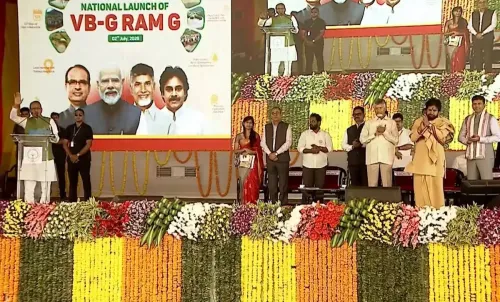
The second demand is equally specific. Revanth Reddy has urged Chouhan to include Telangana-proposed works in the VBG Ram Ji (MGNREGA) framework — covering vegetable pandals on farmers' own land, fodder plot development, mulberry plantation, sericulture sheds, kitchen gardens, and bamboo groves. These are not generic asks; they are activities that keep a rural household productive and food-secure even when the main crop fails.
The request draws on a well-established precedent: MGNREGA's permissible works list has been expanded in earlier drought years to absorb climate-hit labour. Integrating horticulture, sericulture, and fodder activities would allow the same scheme to serve as both a safety net and a livelihood diversifier.
The Indiramma model — 90 days of work during house construction
Revanth Reddy's third ask is the most structurally interesting. He has requested that beneficiaries under MGNREGA be given up to 90 days of employment during house construction — replicating the model already embedded in Telangana's own Indiramma Indlu scheme. The convergence logic is straightforward: a family building a house needs income to survive during construction; wage employment tied to the build itself solves both problems at once.
Opposition-ruled states routinely negotiate this kind of convergence with the Union Rural Development Ministry, and the federal bargaining is entirely standard. Whether Chouhan's ministry responds with fresh PMAY-G sanctions or a circular expanding MGNREGA's permissible works will determine whether this letter translates into rooftops and wages on the ground.
For Telangana's rural poor, the monsoon failure is already here. The Centre's answer is what comes next.
Point of View
Effectively seeking central funding for a state-designed delivery mechanism. If the Ministry of Rural Development accepts even part of the MGNREGA expansion, it sets a precedent other El Nino-affected states will immediately cite. The political calculus for Chouhan is equally clear — a generous response blunts the Congress narrative of Centre-state discrimination; a refusal hands Revanth Reddy a ready campaign grievance ahead of the next electoral cycle.
NationPress
27 Oct 2026
Frequently Asked Questions
What did Telangana CM Revanth Reddy request from the Centre for rural housing?
Revanth Reddy wrote to Union Minister Shivraj Singh Chouhan requesting the allocation of 11,56,915 houses under the Pradhan Mantri Awas Yojana-Gramin (PMAY-G) for Telangana, citing El Nino-driven agricultural distress.
What new works did Revanth Reddy want added to MGNREGA for Telangana farmers?
He requested inclusion of vegetable pandals, fodder plot development, mulberry plantations, sericulture sheds, kitchen gardens, and bamboo groves as permissible works under MGNREGA so that farmers affected by the El Nino crop failure can earn wages.
What is the Indiramma Indlu scheme and how does it relate to this request?
Indiramma Indlu is Telangana's state-level rural housing scheme. Revanth Reddy asked the Centre to replicate its model — providing MGNREGA beneficiaries up to 90 days of employment during house construction — within the central PMAY-G framework.
Why is El Nino relevant to Telangana's demand for more MGNREGA and PMAY-G support?
El Nino is a climate pattern associated with weak or failed monsoons. In Telangana, reduced rainfall has curtailed agricultural activity, leaving SC, ST, small and marginal farmers, and farm labourers without seasonal income — making expanded wage employment and housing support urgent.
Who is Shivraj Singh Chouhan and what is his role in these schemes?
Shivraj Singh Chouhan is the Union Minister for Rural Development and Agriculture, and is responsible for overseeing both PMAY-G and MGNREGA at the national level, including sanctioning state-wise allocations.