Telangana CM seeks 11.56 lakh PMAY-G houses from Centre in Delhi meet
Synopsis
Telangana's CM Revanth Reddy took a data-first approach to Delhi — carrying a Awaas+ app survey identifying 11,56,915 eligible rural families to press for PMAY-G allocation. The ask is significant: it frames the housing backlog not as a state failure but as a Centre-level debt owed after years of scheme underutilisation by the previous government.
Key Takeaways
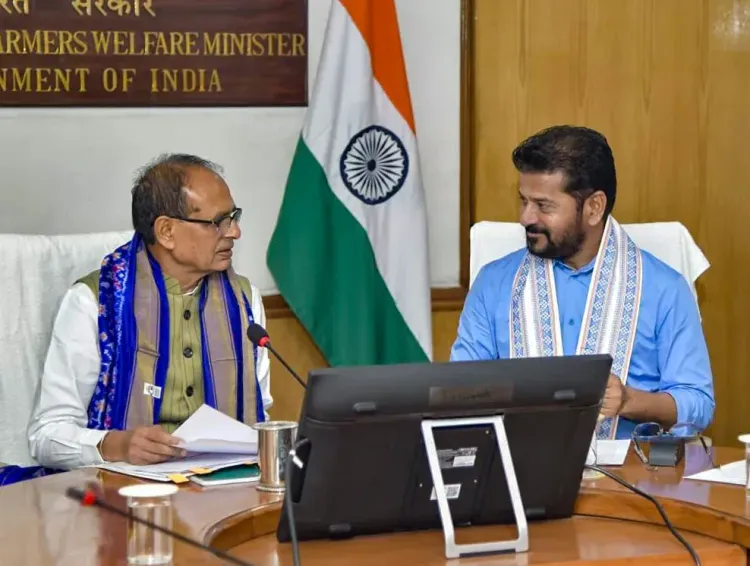
Revanth Reddy met Union Minister Shivraj Singh Chouhan in New Delhi on 28 July to demand 11,56,915 PMAY-G houses for the state.
The figure is based on a survey conducted using the Centre's own Awaas+ app, identifying eligible rural families.
Revanth Reddy attributed the backlog to the previous state government's failure to utilise PMAY-G over the past decade.
The CM also sought expansion of the VB-G-RAM-G scheme to include livelihood works for SCs, STs, and marginal farmers affected by El Nino -linked rainfall deficits.
Under MGNREGS , Indiramma house beneficiaries are eligible for up to 90 days of work during construction — the CM requested additional works to meet demand.
Chouhan reportedly responded positively; a formal allocation decision is awaited.
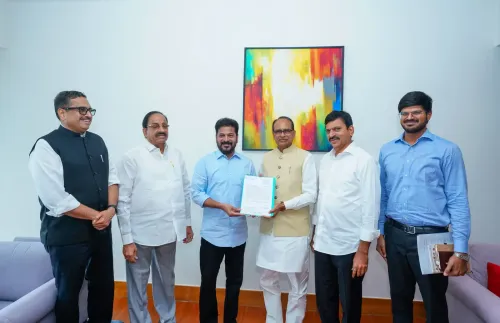
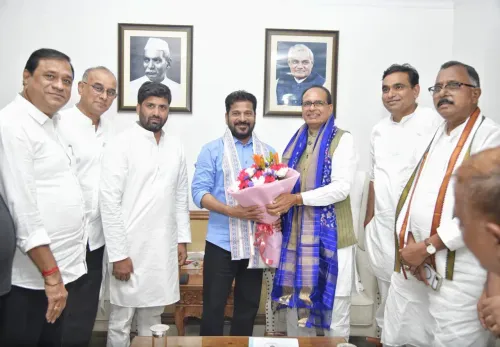
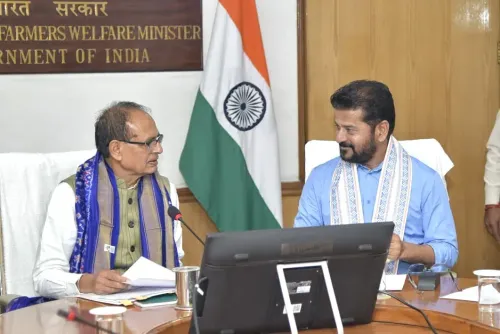
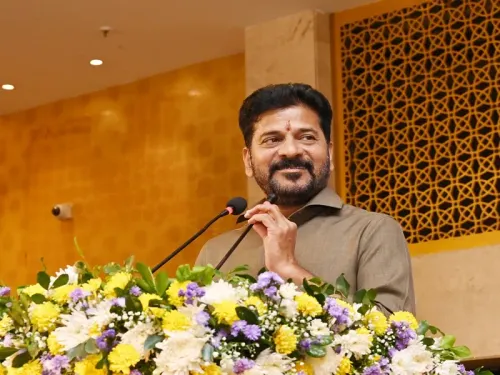
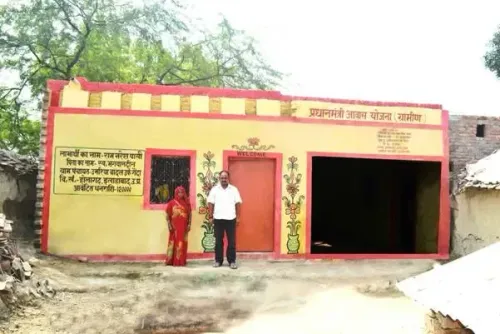
Telangana Chief Minister A. Revanth Reddy on Tuesday, 28 July formally urged the Centre to allocate 11,56,915 rural houses to Telangana under the Pradhan Mantri Awas Yojana-Gramin (PMAY-G), pressing the case during a meeting with Union Minister for Rural Development and Agriculture Shivraj Singh Chouhan in New Delhi. The demand is backed by a state-conducted survey using the Centre's own Awaas+ app, which identified the eligible families.
What Revanth Reddy Told the Union Minister
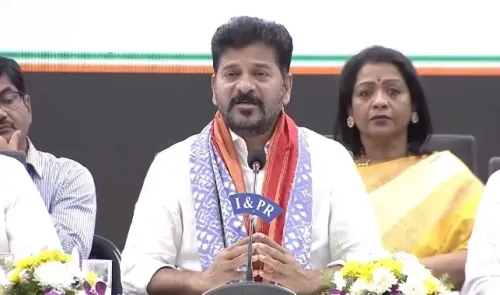
The Chief Minister briefed Chouhan on the progress of Indiramma Houses — Telangana's flagship scheme for housing the poor — and argued that the previous state government's failure to utilise PMAY-G had left lakhs of rural families without homes for nearly a decade. Revanth Reddy said the state has since prioritised housing for the poor and that the survey data, generated through the Union Ministry's own Awaas+ application, provides a verified baseline for the allocation request.
Chouhan reportedly responded positively to the housing concerns, according to the Chief Minister's Office (CMO). Revanth Reddy also extended a personal invitation to the Union Minister to visit Telangana and assess ground conditions.
Employment Guarantee and Livelihood Demands
Beyond housing, the Chief Minister raised concerns about rural employment, particularly in the context of El Nino conditions affecting rainfall and agricultural work. He requested Chouhan to expand the scope of the Viksit Bharat Guarantee for Rozgar and Aajivika Mission (Rural) — VB-G-RAM-G — to include additional livelihood activities.
Revanth Reddy specifically sought inclusion of work such as construction of vegetable trellis structures, fodder plot development, mulberry cultivation, silkworm rearing sheds, kitchen gardens, and bamboo plantations on farmers' lands. He argued these activities would directly benefit Scheduled Castes (SCs), Scheduled Tribes (STs), small and marginal farmers, and agricultural labourers facing work shortages due to deficient rainfall.
MGNREGS Linkage and Flood-Damaged Land
The Chief Minister also highlighted a convergence opportunity: under the Mahatma Gandhi National Rural Employment Guarantee Scheme (MGNREGS), beneficiaries of Indiramma Houses can undertake up to 90 days of work during the house construction phase. Given high demand for employment, Revanth Reddy requested approval for additional works under the VB-G-RAM-G scheme to absorb this labour.
He further flagged the urgent need to include construction of water-retention trenches on hill slopes, moisture-conservation trenches for existing plantations and orchards, and restoration of flood and sand-casting-damaged lands within the scheme's permissible works list.
Who Was Present
The delegation accompanying the Chief Minister included Members of Parliament Dr Mallu Ravi, Vem Narendar Reddy, Porika Balaram Naik, Chamala Kiran Kumar Reddy, Ramasahayam Raghuram Reddy, Suresh Shetkar, Gaddam Vamshi Krishna, and M. Anil Kumar Yadav, along with Chief Minister's Advisor Ramakrishna Rao and Secretary (Coordination) Advait Kumar Singh.
With Chouhan's response described as positive, the next step will be whether the Centre formally approves the allocation — a decision that could directly affect nearly 12 lakh rural families in Telangana.
Point of View
Or whether Telangana joins the long queue of states that have been promised PMAY-G tranches that arrive late and short.
NationPress
27 Oct 2026
Frequently Asked Questions
What did Telangana CM Revanth Reddy demand from the Centre regarding PMAY-G?
Revanth Reddy formally requested the Centre to allocate 11,56,915 rural houses to Telangana under the Pradhan Mantri Awas Yojana-Gramin (PMAY-G). The demand was made during a meeting with Union Minister Shivraj Singh Chouhan in New Delhi on 28 July, backed by survey data from the Centre's own Awaas+ app.
How were the 11,56,915 eligible families identified?
The state government conducted a survey using the Awaas+ app, developed by the Union Ministry of Rural Development, which identified 11,56,915 eligible rural families in Telangana. The Chief Minister cited this data directly to the Union Minister as the basis for the allocation request.
What is the Indiramma Houses scheme?
Indiramma Houses is Telangana's state-level housing programme for economically weaker sections. The Revanth Reddy government has been constructing these homes for the poor, and the CM briefed Chouhan on the scheme's progress during the meeting.
Why did Revanth Reddy also raise the VB-G-RAM-G scheme?
The Chief Minister sought expansion of the Viksit Bharat Guarantee for Rozgar and Aajivika Mission (Rural) scheme to include additional livelihood works for SCs, STs, marginal farmers, and agricultural labourers facing work shortages due to El Nino-linked rainfall deficits. He proposed including activities like mulberry cultivation, bamboo plantations, and water-retention trench construction.
What was Union Minister Shivraj Singh Chouhan's response?
Chouhan reportedly responded positively to the housing concerns, according to the Chief Minister's Office. Revanth Reddy also invited the Union Minister to visit Telangana to assess ground conditions firsthand. A formal decision on the allocation is yet to be announced.