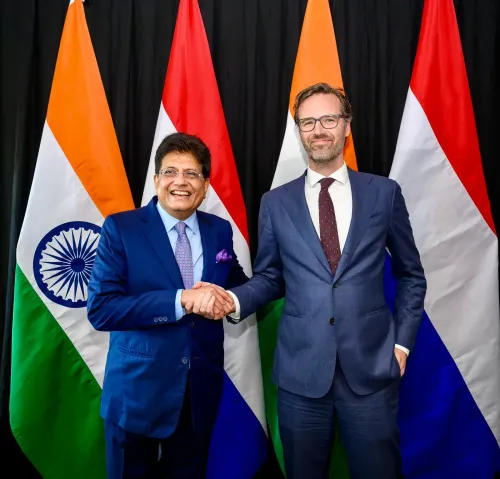
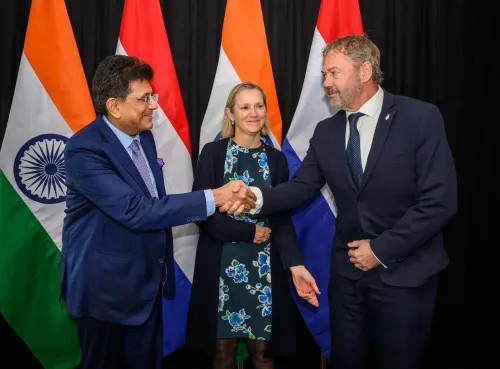
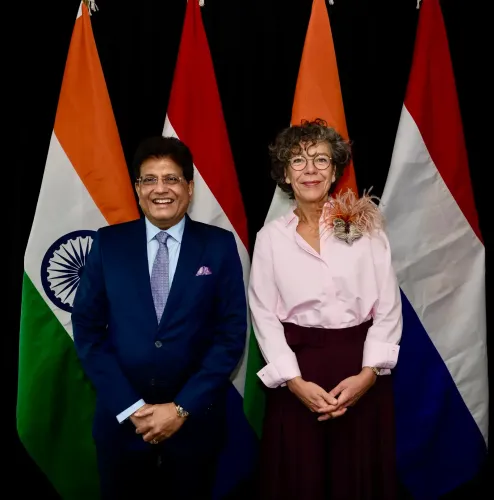
Goyal meets Power2X CEO on India-Netherlands green hydrogen tie-up
Synopsis
Commerce Minister Piyush Goyal met Power2X founder Occo Roelofsen to advance India-Netherlands ties in green hydrogen and renewables, signalling continued European outreach to support India's 500 GW clean energy and National Green Hydrogen Mission targets.
Key Takeaways
Commerce Minister Piyush Goyal met Occo Roelofsen , Founder and CEO of Power2X , to discuss green hydrogen and renewable energy collaboration.
India's National Green Hydrogen Mission (2023) targets production of 5 million metric tonnes of green hydrogen annually by 2030 .
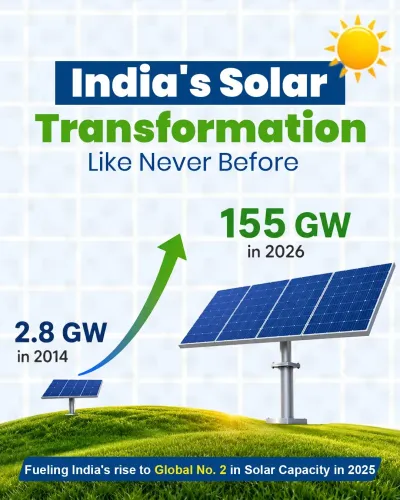
India aims for 500 GW of non-fossil fuel capacity by 2030 and net-zero emissions by 2070 .
The Netherlands has existing cooperation with India on sustainable fuels and port infrastructure, providing a foundation for expanded clean-energy ties.
Possible follow-up commercial agreements or project announcements between Indian and Dutch clean-energy entities are the key near-term watch-point.
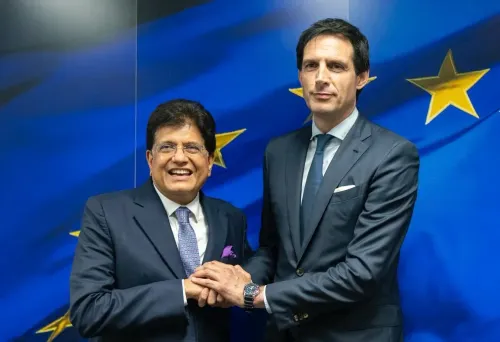
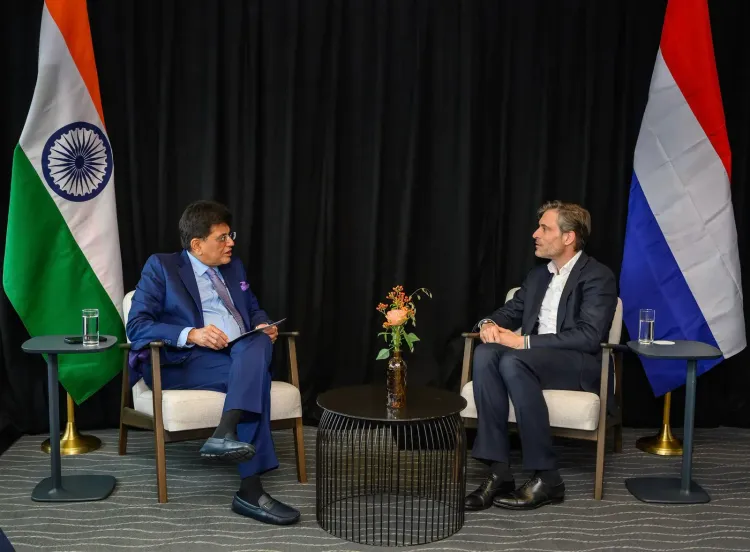
Union Commerce and Industry Minister Piyush Goyal sat down with Occo Roelofsen, Founder and CEO of Power2X, to explore deepening bilateral cooperation in green hydrogen, renewable energy, and emerging clean technologies — a meeting that plants another flag in India's increasingly aggressive courtship of European clean-energy capital.
What was on the table
Goyal described the exchange as focused on 'strengthening India-Netherlands collaboration in green hydrogen, renewable energy and emerging technologies, unlocking opportunities for mutual growth and advancing our shared clean energy ambitions.' The language is diplomatic, but the intent is concrete: connect Dutch clean-tech capital and expertise with India's vast, fast-scaling renewables build-out.
India's green hydrogen mission and the European play
The backdrop matters. India approved its National Green Hydrogen Mission in 2023, setting an ambition to produce 5 million metric tonnes of green hydrogen annually by 2030. That target requires not just domestic investment but a pipeline of technology partners, electrolyser suppliers, and off-take agreements — exactly the kind of ecosystem European firms like Power2X are positioned to plug into.
India has simultaneously committed to 500 GW of non-fossil fuel capacity by 2030 and net-zero by 2070. Meeting those numbers means pulling in every credible international partner available, and the Netherlands — with its ports, hydrogen infrastructure expertise, and longstanding energy links with India — is a natural fit.
Netherlands-India: a clean-energy relationship already in motion
The two countries have prior cooperation threads in sustainable fuels and port logistics infrastructure, making this meeting less a cold introduction and more a deepening of an existing channel. Dutch firms bring sophisticated project-finance models and hard-won expertise in hydrogen blending and transport — capabilities India urgently needs as it tries to compress decades of energy transition into less than a decade of execution.
For Goyal, as the minister responsible for trade and industrial policy, such engagements are also about positioning Indian exporters: a robust domestic green hydrogen sector opens export corridors to energy-hungry European markets committed to reducing Russian fossil-fuel dependence.
What comes next
The immediate question is whether this ministerial-level signal translates into commercial frameworks — joint ventures, technology-transfer agreements, or Indian project commitments with Dutch financing. Possible follow-up announcements between Indian entities and Dutch clean-energy firms are the real test of whether the conversation moves from diplomatic courtesy to bankable project pipeline.
A minister's meeting with a company founder rarely makes headlines on its own. But in the geometry of India's clean-energy diplomacy, each such connection is a load-bearing joint.
Point of View
These engagements serve a dual purpose: accelerating the energy transition while opening export markets for a nascent Indian hydrogen sector. The Netherlands is a particularly valuable partner because it combines financial sophistication, hydrogen-transit infrastructure, and a political alignment around post-Russia energy diversification. The real measure of this diplomacy is not the meeting itself, but whether it catalyses bankable investment flows before India's 2030 clean-energy deadlines arrive.
NationPress
27 Oct 2026
Frequently Asked Questions
What is Power2X and what does it do?
Power2X is a company founded and led by Occo Roelofsen that focuses on green hydrogen and renewable energy solutions. Specific details about its operations and scale could not be independently verified from established public records.
What is India's National Green Hydrogen Mission?
India approved the National Green Hydrogen Mission in 2023 to scale up domestic production and use of green hydrogen, targeting 5 million metric tonnes of annual production by 2030 as part of its net-zero commitments.
Why is India partnering with Netherlands on clean energy?
The Netherlands has longstanding energy and technology ties with India, including prior cooperation on sustainable fuels and port infrastructure. Dutch expertise in hydrogen blending, transport, and project finance complements India's domestic clean-energy scale-up goals.
What is India's 500 GW renewable energy target?
India has committed to achieving 500 GW of non-fossil fuel electricity capacity by 2030 , a target that requires significant domestic investment and international technology partnerships in solar, wind, and green hydrogen.
What outcomes could follow the Goyal-Roelofsen meeting?
Possible follow-ups include commercial agreements, technology-transfer deals, or project announcements between Indian entities and Dutch clean-energy firms, though no specific outcomes have been announced following the meeting.