CM Majhi Backs VB-GRAM G Scheme Launch on July 1
Synopsis
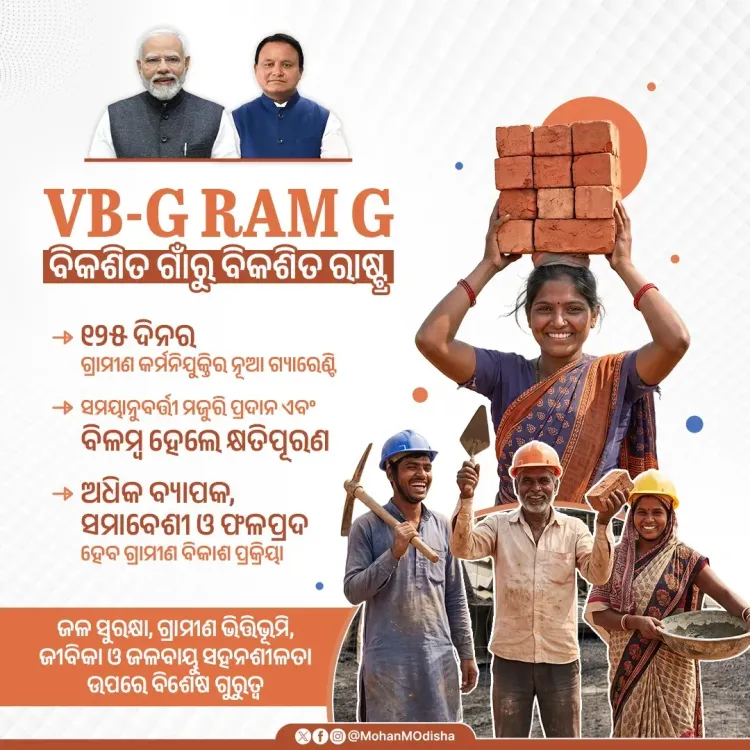
Odisha CM Mohan Charan Majhi on July 1, 2026 backed the nationwide rollout of VB-GRAM G, a rural scheme promising 125 days of guaranteed employment, timely wages, and a focus on water conservation and climate-resilient infrastructure under PM Modi's Viksit Bharat vision.
Key Takeaways
The VB-GRAM G scheme was launched nationally on July 1, 2026 , with Odisha CM Mohan Charan Majhi publicly endorsing it.
The scheme guarantees 125 days of assured employment to rural workers, exceeding the existing 100-day MGNREGA entitlement.
Timely payment of fair wages to rural labourers is a stated core commitment of the scheme.
Special emphasis is placed on water conservation , rural infrastructure , livelihoods , and climate resilience .
The initiative is framed under the Viksit Bharat vision, with the resolve of building a developed nation through developed villages.
Effective centre-state coordination is highlighted as the engine of the scheme's rural development ambitions.
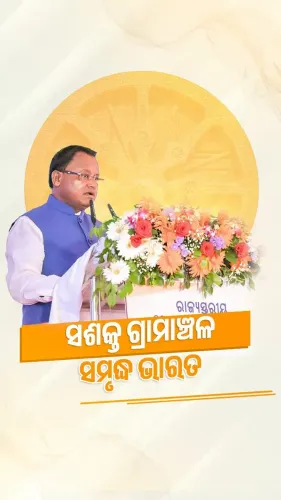
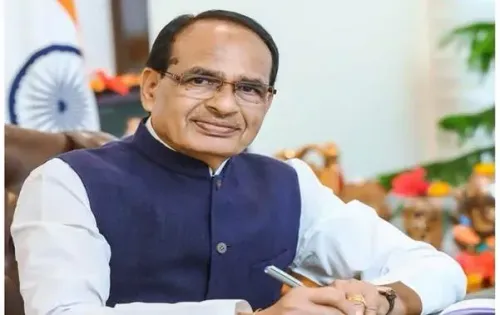
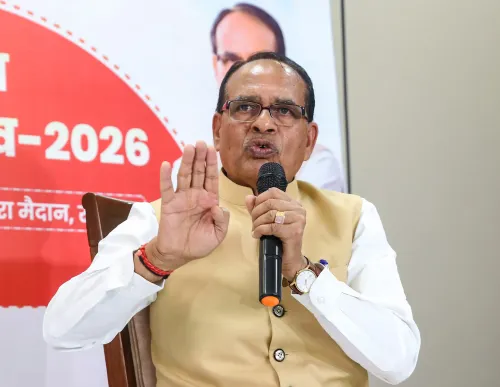
Odisha Chief Minister Mohan Charan Majhi on Wednesday, July 1, 2026, welcomed the nationwide rollout of the VB-GRAM G scheme, crediting Prime Minister Narendra Modi's visionary leadership for an initiative aimed at strengthening rural economies across India through guaranteed employment and infrastructure development.
Context
Posting in Odia, CM Majhi announced that the VB-GRAM G scheme has come into effect from July 1, carrying the resolve of 'Rojgar ru Viksit Gaon, Viksit Gaon ru Viksit Rashtra' — 'From employment to developed villages, from developed villages to a developed nation.' The scheme is framed as a cornerstone of the broader Viksit Bharat vision targeting rural transformation by 2047.
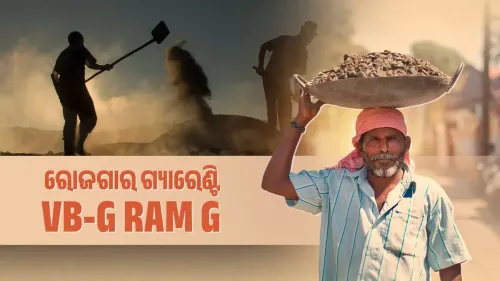
The Chief Minister highlighted that the scheme guarantees 125 days of assured employment to rural workers — an expansion over the existing 100-day guarantee under MGNREGA — while also ensuring timely payment of fair wages to labourers.
Policy Backdrop
India's rural employment architecture has been anchored by the Mahatma Gandhi National Rural Employment Guarantee Act (MGNREGA), enacted in 2005, which entitles rural households to 100 days of wage employment annually. Over successive years, the framework has been supplemented with livelihood missions and housing schemes to address multi-dimensional rural poverty.
The VB-GRAM G scheme, as described by CM Majhi, deepens this architecture by placing special emphasis on water conservation, rural infrastructure, livelihoods, and climate resilience — aligning rural employment generation with long-term ecological and economic sustainability goals. The scheme is overseen by the Ministry of Rural Development in coordination with state governments.
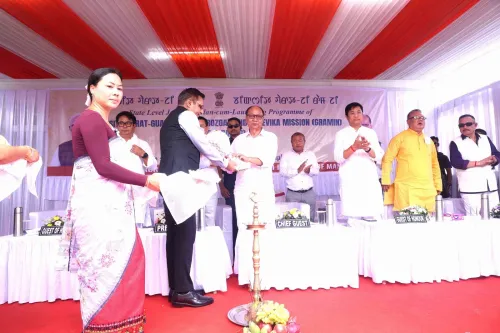
CM Majhi underscored that the coordination between the central and state governments in this 'great yajna of development' would usher in a new era of growth and prosperity in every rural corner of the country.
Stakeholders and Impact
Rural labourers and small farmers stand as the primary beneficiaries, with the scheme's 125-day employment guarantee offering greater income security than the existing statutory floor. The timely wage-payment mechanism is specifically designed to address long-standing grievances over delayed disbursements that have historically undermined worker confidence in rural job programmes.
Odisha, with a significant share of its population dependent on agriculture and rural livelihoods, is expected to be among the key states in the scheme's implementation. CM Majhi's public endorsement signals the state's readiness to act as an active implementation partner for the central initiative.
The scheme's focus on water security and climate-resilient infrastructure is also aimed at making rural development more inclusive and productive — addressing vulnerabilities that affect marginal communities disproportionately during climate-related disruptions.
What's Next
Attention will now turn to the operational guidelines governing centre-state coordination under VB-GRAM G, including fund-sharing arrangements and monitoring mechanisms. Budget allocations — either through supplementary demands or the next Union Budget — will be a critical indicator of the scheme's scale and ambition.
If implemented effectively, the scheme's convergence of employment, infrastructure, and climate goals could set a new benchmark for India's rural development policy, advancing the government's stated target of a Viksit Bharat by 2047.
Point of View
Reinforcing the party's Viksit Bharat narrative ahead of electoral cycles. The scheme's 125-day employment guarantee, if backed by adequate funding, represents a meaningful incremental advance over MGNREGA's statutory floor — but the real test lies in wage-payment timelines and convergence with climate infrastructure goals. Odisha's participation is significant given the state's large rural workforce and its vulnerability to cyclones and droughts, making climate-resilient employment especially relevant. Centre-state budget coordination will ultimately determine whether this becomes a transformative programme or another layer of policy aspiration.
NationPress
30 Sept 2026
Frequently Asked Questions
What is the VB-GRAM G scheme?
VB-GRAM G is a central government rural development scheme launched on July 1, 2026, that guarantees 125 days of assured employment to rural workers, with a focus on water conservation, rural infrastructure, livelihoods, and climate resilience under the Viksit Bharat vision.
How is VB-GRAM G different from MGNREGA?
While MGNREGA guarantees 100 days of rural wage employment annually, VB-GRAM G extends the guarantee to 125 days and additionally emphasises timely wage payments, water security, and climate-resilient infrastructure as core components.
What did Odisha CM Mohan Majhi say about VB-GRAM G?
CM Majhi welcomed the scheme's July 1 launch, stating it embodies the resolve of 'from employment to developed villages, from developed villages to a developed nation,' and pledged Odisha's commitment to making rural development more inclusive and productive.
Who benefits from the VB-GRAM G scheme?
The primary beneficiaries are rural labourers and small farmers across India, who gain greater income security through the 125-day employment guarantee and assured timely wage payments.
What is the Viksit Bharat vision linked to VB-GRAM G?
Viksit Bharat, or 'Developed India,' is PM Narendra Modi's long-term vision of transforming India into a fully developed nation by 2047, with rural economic strengthening — through schemes like VB-GRAM G — as a central pillar.