CM Fadnavis launches 29 new schemes on Maha-DBT 2.0
Synopsis
Chief Minister Devendra Fadnavis launched 29 new schemes on Maha-DBT 2.0 at Sahyadri Guest House, Mumbai on 15 August 2026, raising the portal's total to 105 schemes. OBC and higher education schemes lead the new batch, with 231 more in the pipeline under Maharashtra's Second Generation Reforms.
Key Takeaways
29 new schemes were onboarded onto Maha-DBT 2.0 on 15 August 2026 , taking the platform's total to 105 schemes .
The launch was conducted by CM Devendra Fadnavis at Sahyadri Guest House, Mumbai .
The newly added schemes belong to the OBC Department and the Higher and Technical Education Department .
A further 231 schemes are currently being processed for onboarding in future phases.
Maha-DBT 2.0 features Aadhaar-based verification , single sign-on, a live monitoring dashboard, and a 'Know Your Benefit' tool.
The initiative is part of Maharashtra's 'Second Generation Reforms' aimed at end-to-end digitisation of welfare delivery.
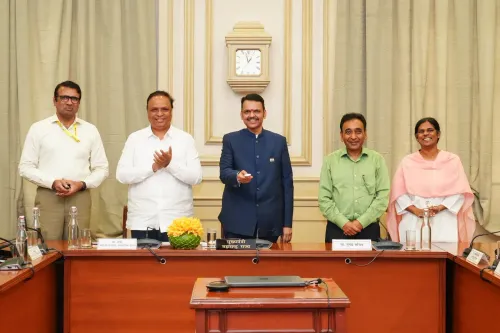
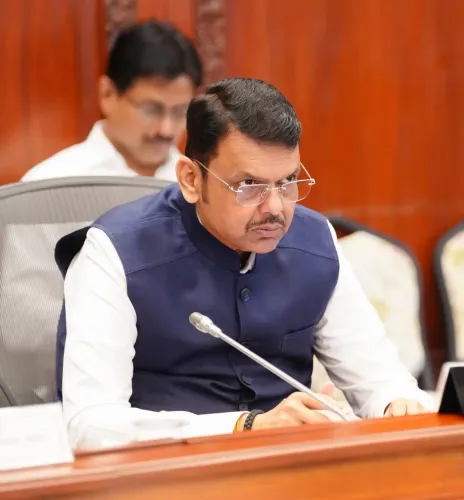
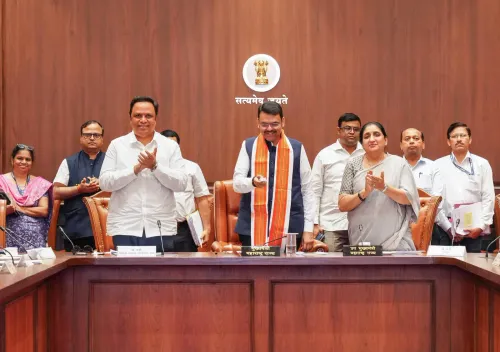
Maharashtra's welfare delivery just got a significant digital upgrade. Chief Minister Devendra Fadnavis on Saturday, 15 August 2026, launched 29 new government schemes on the Maha-DBT 2.0 portal at Sahyadri Guest House, Mumbai — taking the platform's total scheme count to 105 and pushing the state's unified direct benefit transfer ambition into a sharper gear.
From 76 to 105: what the new onboarding adds
The 29 newly onboarded schemes span two key departments: the Other Backward Classes (OBC) Department and the Higher and Technical Education Department. For OBC beneficiaries and higher-education students across Maharashtra, this means applications that once required separate portals or physical office visits can now be submitted through a single digital window. CM Fadnavis publicly congratulated both departments for completing the integration.
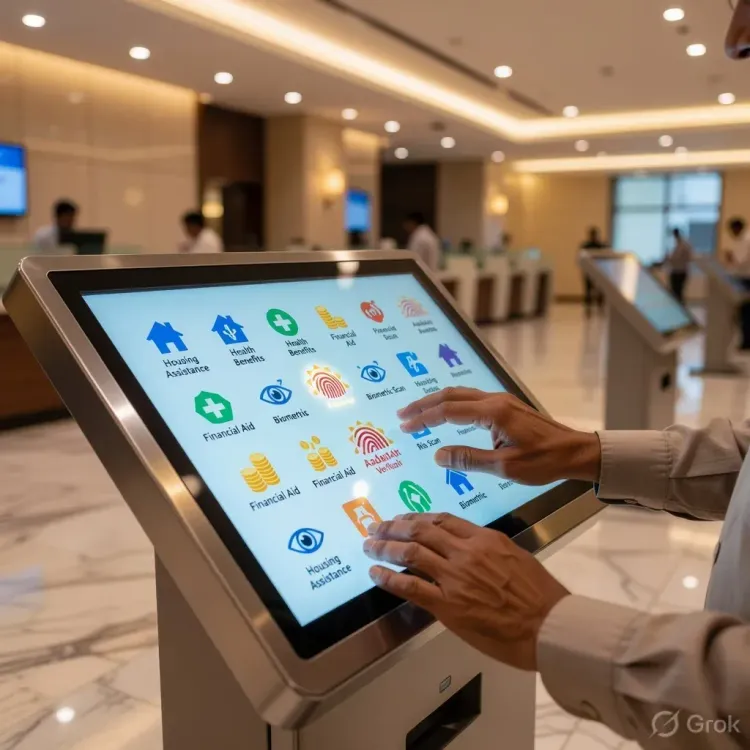
The portal's feature set underpins the ambition. Maha-DBT 2.0 offers सिंगल साइन-ऑन (single sign-on), a live dashboard for real-time monitoring, Aadhaar-based verification, end-to-end digital processing, and a 'Know Your Benefit' tool that helps citizens identify schemes they are eligible for — all on one screen.
231 more schemes in the pipeline
The 15 August milestone is explicitly a waypoint, not a finish line. Officials confirmed that 231 additional schemes are currently being processed for onboarding in subsequent phases. The stated goal is to consolidate every major state scheme onto the single Maha-DBT platform, eliminating the need for citizens to navigate multiple portals or government offices.
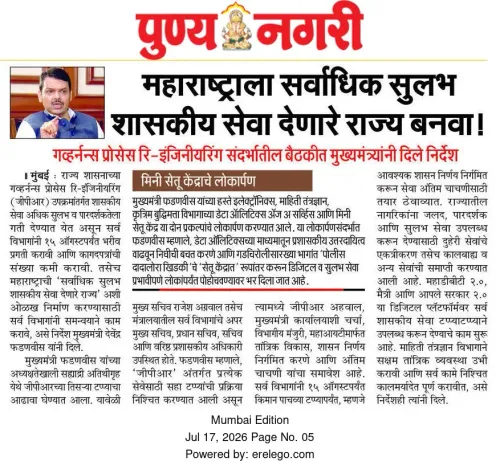
Fadnavis framed this as part of Maharashtra's 'Second Generation Reforms' — a governance push focused on making digital systems more capable, efficient, and trustworthy. 'The government's emphasis is on strengthening the digital system so that benefits reach eligible beneficiaries directly and in the right manner,' he said at the event.
Transparency gains and the national DBT thread
Maharashtra's Maha-DBT architecture traces its lineage to the national Direct Benefit Transfer framework introduced by the Government of India in 2013, which used Aadhaar-linked bank accounts to route subsidies and reduce leakages. Maharashtra built on that foundation with its own unified portal, and the 2.0 upgrade accelerates the shift from offline approval chains to fully digitised, auditable workflows.
Fadnavis noted that since Maha-DBT came online, transparency and accountability in scheme implementation have measurably improved and misuse has 'significantly reduced.' The transition from offline to online processes has also shortened the time required to add new schemes to the platform — a structural fix that makes future onboarding faster and cheaper.
Minister Ashish Shelar and other senior officials were present at the launch. Fadnavis directed officials to accelerate citizen-centric digital reforms so that government services reach people either at home or from a nearby service centre with minimal friction.
With 231 schemes still queued and a mandate to bring every major state programme under one roof, the real test of Maha-DBT 2.0 is whether the pipeline moves as fast as the promise.
Point of View
Fadnavis is setting a governance accountability benchmark that will be difficult to quietly shelve. The inclusion of OBC and higher-education schemes is politically astute: these are high-footfall categories with large, vocal beneficiary bases whose satisfaction directly influences electoral outcomes. The deeper question is whether backend departmental capacity — not political will — becomes the bottleneck as the portal scales toward a true single-window state.
NationPress
16 Aug 2026
Frequently Asked Questions
What is Maha-DBT 2.0 and how does it work?
Maha-DBT 2.0 is Maharashtra's upgraded unified portal for delivering government welfare scheme benefits directly to citizens via Aadhaar-linked bank accounts. It offers single sign-on access, real-time monitoring, a 'Know Your Benefit' eligibility tool, and end-to-end digital processing — replacing fragmented offline and multi-portal application systems.
How many schemes are now available on Maha-DBT?
As of 15 August 2026 , 105 schemes are available on the Maha-DBT portal after 29 new schemes were launched by CM Devendra Fadnavis. An additional 231 schemes are being prepared for onboarding in future phases.
Which departments' schemes were added to Maha-DBT 2.0 today?
The 29 newly added schemes belong to the Other Backward Classes (OBC) Department and the Higher and Technical Education Department of Maharashtra.
What are the benefits of Maha-DBT for citizens?
Citizens can apply for multiple government schemes from a single platform without visiting different offices or portals. Aadhaar-based verification, transparent direct benefit transfers, and a live application dashboard reduce delays, cut misuse, and make the entire process auditable.
What are Maharashtra's Second Generation Reforms?
CM Fadnavis has described 'Second Generation Reforms' as a governance push to make Maharashtra's digital welfare systems more capable, efficient, and trustworthy — focusing on end-to-end digitisation, faster scheme onboarding, and consolidating all major state programmes onto a single platform like Maha-DBT.