VB-G RAM G launched in Manipur: 125 days of work, ₹300 daily wage
Synopsis
India's MGNREGA successor — VB-G RAM G — went live on 1 July 2025, and Manipur's launch event underscored what's changed: 25 more days of guaranteed work and a ₹17 daily wage hike. In a state still recovering from ethnic conflict, the scheme's promise of convergence across agriculture, water, and livelihoods is as much a stabilisation tool as an employment one.
Key Takeaways
The VB-G RAM G Act, 2025 came into force across India on 1 July 2025 , passed by Parliament on 19 December 2025 .
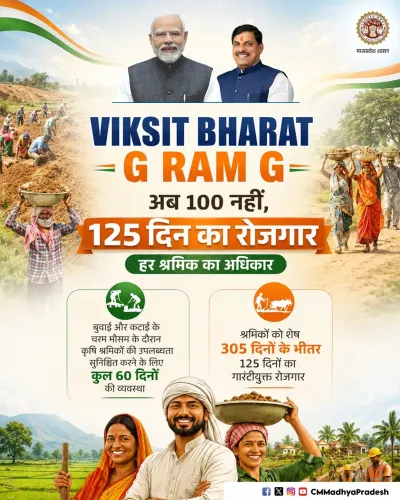
Guaranteed rural employment days increased from 100 (under MGNREGA) to 125 days per year.
Daily wage revised upward from ₹283 to ₹300 .
Every Gram Panchayat will prepare its own development plan and be graded A, B, C, or D by the state government.
Implementation will run through the PM Gati Shakti geospatial portal .
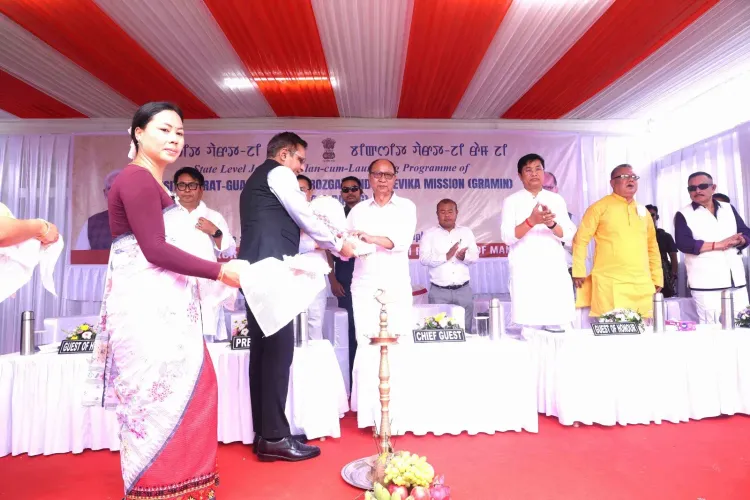
Manipur's state launch was held at Salam Tharojam Eco Tourism Park , Imphal West , on 3 July 2025 .
Manipur Chief Minister Yumnam Khemchand Singh on 3 July 2025 said the newly enacted Viksit Bharat – Guarantee for Rozgar and Aajeevika Mission (Gramin), or VB-G RAM G, would be instrumental in realising Prime Minister Narendra Modi's Viksit Bharat @2047 vision by deepening rural employment and livelihood security across the state. The scheme came into force nationally on 1 July 2025, replacing the earlier framework under the Mahatma Gandhi National Rural Employment Guarantee Act (MGNREGA).
Key Changes Under VB-G RAM G
The most immediate shift for rural workers is an increase in guaranteed employment days — from 100 days under MGNREGA to 125 days per year under the new scheme. The daily wage has also been revised upward, from ₹283 to ₹300. Chief Minister Singh made these announcements while addressing the state-level Jan Sammelan-cum-Launching Programme, held at Salam Tharojam Eco Tourism Park in Imphal West district on Thursday.
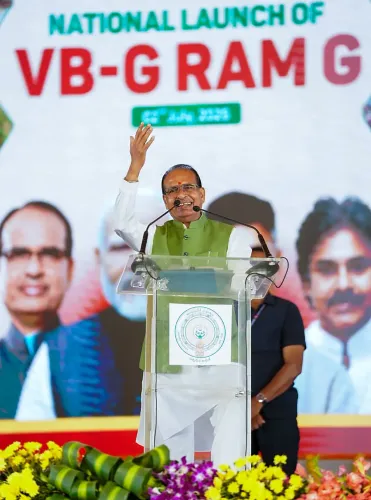
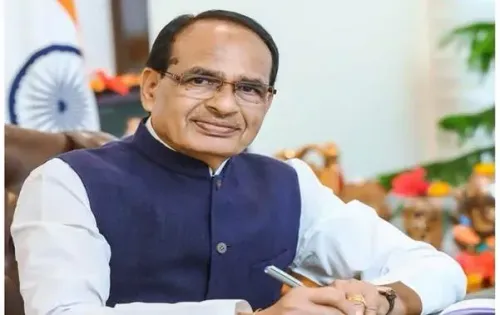
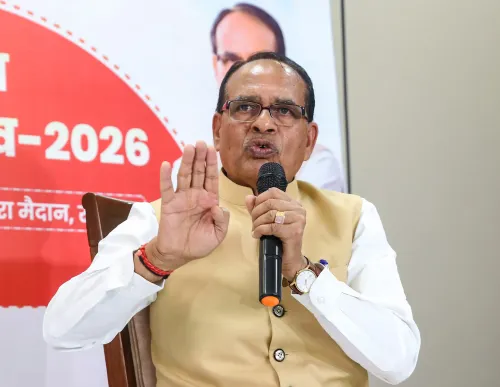
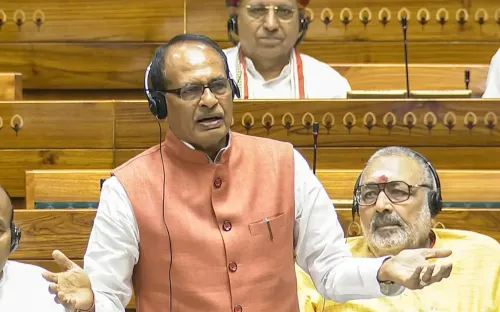
The programme was organised by the state government's Department of Rural Development and Panchayati Raj. The nationwide launch was led by Union Minister for Rural Development and Agriculture and Farmers' Welfare Shivraj Singh Chouhan from Tirupati in Andhra Pradesh.
What the Deputy CM Said
Deputy Chief Minister Nemcha Kipgen, who also holds the Rural Development and Panchayati Raj portfolio, participated via video conferencing. She said real development begins in villages and called for VB-G RAM G to serve as a convergence platform — integrating agriculture, horticulture, watershed development, soil conservation, the Jal Jeevan Mission, rural water conservation, and National Rural Livelihood Mission (NRLM) initiatives.
Kipgen said such integration would help create 'durable, productive and climate-resilient assets' for rural communities while reinforcing sustainable livelihoods.
Implementation Framework
Rural Development and Panchayati Raj Commissioner Sumant Singh said the VB-G RAM G Act, 2025 was passed by Parliament on 19 December 2025. Under the new structure, every Gram Panchayat will prepare its own development plan and be graded under four categories — A, B, C, and D — by the state government. The entire programme will be implemented through the PM Gati Shakti geospatial portal, bringing digital oversight to grassroots project execution.
Political and Social Backdrop
MLA Sorokhaibam Rajen Singh used the occasion to laud Chief Minister Singh's peace initiatives, particularly his visits to areas previously inaccessible due to law-and-order concerns — a reference to the ongoing ethnic conflict that has strained Manipur's administrative reach since May 2023. The launch of a rural employment scheme in this context carries added significance, as displacement and livelihood disruption have been among the conflict's most persistent consequences.
State Arts, Culture and Tourism Minister Khuraijam Loken Singh, along with MLAs Karam Shyam Singh, Sapam Ranjan Singh, and Sapam Kunjakeswor (Keba) Singh, attended the programme. Chief Minister Singh and other dignitaries also planted saplings as part of an environmental conservation drive linked to the event.
What Comes Next
With Gram Panchayats now mandated to draft their own development plans under a graded framework, the quality of implementation will depend heavily on administrative capacity at the block and district levels. Manipur's challenging terrain and ongoing security situation make execution particularly complex. How effectively the state integrates the scheme's convergence mandate — linking rural employment to water, agriculture, and climate resilience — will be closely watched in the months ahead.
Point of View
But the real test is whether the Gram Panchayat grading system — categories A through D — creates genuine accountability or becomes another bureaucratic layer. Manipur's security situation adds a layer of complexity that national scheme designs rarely account for: job card holders in conflict-affected villages may be displaced, their panchayats non-functional, and their daily wage gains irrelevant if worksites are inaccessible. The convergence vision articulated by Deputy CM Kipgen — linking employment to Jal Jeevan Mission, NRLM, and watershed development — is the right instinct, but past rural schemes have promised convergence and delivered silos. The PM Gati Shakti portal integration is a genuine structural improvement, but digital oversight is only as strong as the ground-level data feeding it.
NationPress
1 Oct 2026
Frequently Asked Questions
What is the VB-G RAM G scheme?
VB-G RAM G stands for Viksit Bharat – Guarantee for Rozgar and Aajeevika Mission (Gramin), a rural employment scheme that replaced MGNREGA and came into force on 1 July 2025. It guarantees job card holders 125 days of employment per year at a daily wage of ₹300, and requires every Gram Panchayat to prepare its own graded development plan.
How is VB-G RAM G different from MGNREGA?
VB-G RAM G increases guaranteed employment from 100 days to 125 days per year and raises the daily wage from ₹283 to ₹300. It also introduces a Gram Panchayat grading system (A, B, C, D) and mandates implementation through the PM Gati Shakti geospatial portal, adding digital oversight that MGNREGA lacked.
When was the VB-G RAM G Act passed and when did it take effect?
Parliament passed the VB-G RAM G Act, 2025 on 19 December 2025. It came into force across India on 1 July 2025.
How was VB-G RAM G launched in Manipur?
Manipur held its state-level Jan Sammelan-cum-Launching Programme at Salam Tharojam Eco Tourism Park in Imphal West district on 3 July 2025. Chief Minister Yumnam Khemchand Singh presided, while Deputy Chief Minister Nemcha Kipgen participated via video conferencing.
Who led the national launch of VB-G RAM G?
The nationwide launch was led by Union Minister for Rural Development and Agriculture and Farmers' Welfare Shivraj Singh Chouhan from Tirupati in Andhra Pradesh on 1 July 2025.