Kerala minister backs tech cooperative for 800+ ex-Coro Health workers
Synopsis
More than 800 tech professionals displaced by the closure of Kochi's Coro Health are attempting something Kerala hasn't seen before — a worker-owned healthcare IT cooperative inspired by the 1958 Indian Coffee House model. With the state's Cooperation Minister now backing the proposal, the venture could become the first serious test of whether Kerala's cooperative tradition can scale into high-skill digital services.
Key Takeaways
Kerala Cooperation Minister M.M.
Liju expressed support for a worker-owned healthcare IT cooperative on 29 October 2026 .
The cooperative is proposed by former employees of Kochi -based Coro Health , with more than 800 professionals reportedly affected by the company's closure.
The proposed entity — the Health Care IT and Revenue Cycle Co-operative Society — has applied for registration as a primary cooperative society.
Twenty-six founding members have signed up; preliminary talks on subcontracting assignments in healthcare IT are under way.
The initiative draws inspiration from the Indian Coffee House model launched by A.K.
Gopalan after workers organised following Coffee Board closures in 1958 .
If registered and operational, the model could eventually create pathways for fresh graduates, women re-entering the workforce, and professionals in smaller Kerala towns.
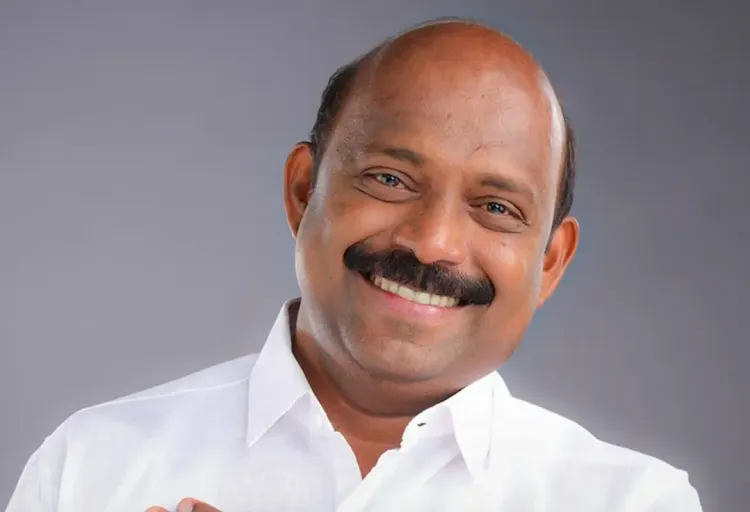
Kerala's Cooperation Minister M.M. Liju on Thursday, 29 October 2026, expressed support for a proposal by former employees of Kochi-based Coro Health to establish a worker-owned healthcare technology cooperative, potentially opening a new livelihood path for more than 800 professionals who reportedly lost their jobs following the company's closure.
The Proposal and Ministerial Meeting
The initiative's promoters met Minister Liju in Thiruvananthapuram on Thursday and submitted a formal project report, seeking government support to expedite the registration of the proposed Health Care IT and Revenue Cycle Co-operative Society. The society has applied for registration as a primary cooperative society. Following the ministerial meeting, professionals from across Kerala joined an online session to discuss the venture's scope and structure.
How the Cooperative Would Work
Under the proposed model, members would collectively own and operate the enterprise, share responsibility for securing client assignments, and deliver services spanning healthcare IT, medical coding, billing, and revenue cycle management. Twenty-six professionals have already signed up as founding members, and preliminary discussions are under way on securing subcontracting assignments in healthcare IT and revenue cycle management. The objective is to generate employment through collective ownership rather than through conventional employer-employee arrangements.
Inspiration from Kerala's Cooperative Tradition
The promoters draw direct inspiration from the Indian Coffee House movement, founded by veteran Communist leader A.K. Gopalan — the first Leader of the Opposition in the Lok Sabha — after workers displaced by the closure of Coffee Board-run coffee houses organised themselves to continue the business collectively. Kerala's first Indian Coffee House outlet opened in Thalassery in 1958, establishing a durable template for worker-owned enterprise in the state. A Kochi-based cooperative consultancy CEO drew a pointed parallel: 'The coffee house workers had a counter and a kettle. Today's technology professionals have laptops and specialised skills. What they need is the right organisational structure, and Kerala's cooperative tradition offers a way to build one.'
Wider Impact and Next Steps
If successful, the model could expand opportunities for fresh graduates, women returning to the workforce, and skilled professionals in smaller towns across Kerala. The immediate priorities for the group are completing the cooperative's formal registration and securing initial service contracts to allow members to begin operations. The initiative is being watched as a potential blueprint for extending Kerala's well-established cooperative tradition into the high-skill technology sector, where collective enterprise has rarely been attempted at scale.
Point of View
But healthcare IT is a globally competitive, contract-driven business where collective ownership structures face real commercial stress-tests. The minister's backing is symbolic capital; what the group actually needs is its first paying client. Until that materialises, the venture remains an aspiration with a project report — and Kerala has a history of cooperative proposals that stall between registration and revenue.
NationPress
29 Oct 2026
Frequently Asked Questions
What is the Health Care IT and Revenue Cycle Co-operative Society?
It is a proposed worker-owned cooperative being set up by former employees of Kochi-based Coro Health to collectively deliver healthcare IT, medical coding, billing, and revenue cycle management services. The society has applied for registration as a primary cooperative society in Kerala.
Why did former Coro Health employees propose a cooperative model?
More than 800 professionals reportedly lost their jobs after Coro Health, a Kochi-based healthcare technology company, shut down. The cooperative model is intended to let them pool their skills and collectively secure service contracts rather than depend on a single conventional employer.
Who is supporting the initiative?
Kerala's Cooperation Minister M.M. Liju met the promoters on 29 October 2026 in Thiruvananthapuram and responded positively to their project report. The minister's backing is expected to help expedite the cooperative's formal registration.
What is the Indian Coffee House connection?
The Indian Coffee House cooperative was established in 1958 after workers displaced by the closure of Coffee Board-run outlets organised themselves under the guidance of Communist leader A.K. Gopalan. The Coro Health professionals cite this as the template for turning job loss into collective enterprise.
What are the immediate next steps for the cooperative?
The group's immediate priorities are completing formal registration as a primary cooperative society and securing subcontracting assignments in healthcare IT and revenue cycle management. Twenty-six founding members have already enrolled, and preliminary contract discussions are reported to be under way.