Adani-IHC ₹1.08 lakh crore aluminium project to make Odisha a global supply hub
Synopsis
Adani and Abu Dhabi's IHC have committed ₹1.08 lakh crore to build India's most ambitious aluminium complex in Odisha — covering the full value chain from mine to downstream manufacturing. At $11.5 billion, it is India's largest-ever FDI in metallurgy, and a signal that Odisha is emerging as a serious rival to established global aluminium hubs.
Key Takeaways
Adani Enterprises and IRH (IHC Group) announced a ₹1.08 lakh crore ($11.5 billion) greenfield aluminium project in Odisha on 2 July .
The 50:50 joint venture is structured in two phases: ₹66,000 crore and ₹44,000 crore .
Project components include a 4 MMTPA alumina refinery , 2 MMTPA aluminium smelter , 4,000 MW captive power plant , and 1 MMTPA downstream manufacturing park .
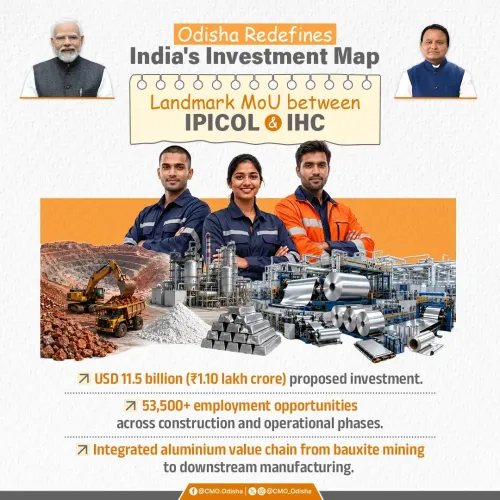
The project is expected to generate 53,500 jobs — 35,000 during construction and 18,500 in operations.
It is projected to be Odisha's largest FDI proposal and India's largest FDI in the metallurgy sector .
IHC has a market capitalisation of $233 billion and a portfolio of over 1,300 subsidiaries globally.
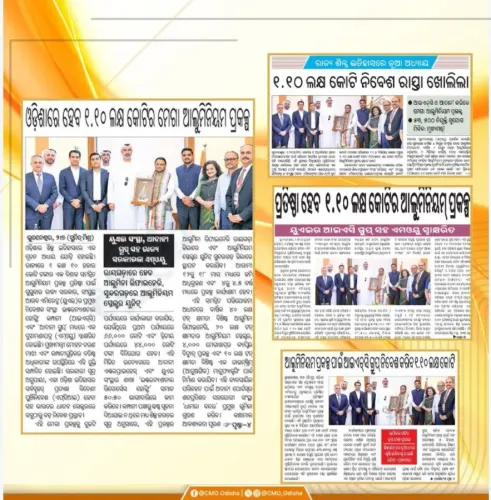
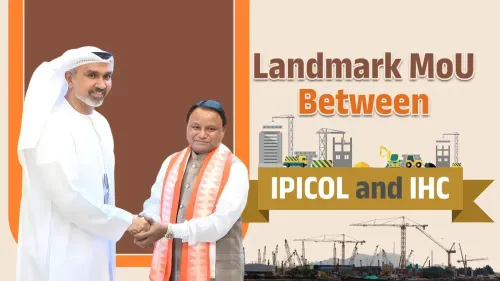
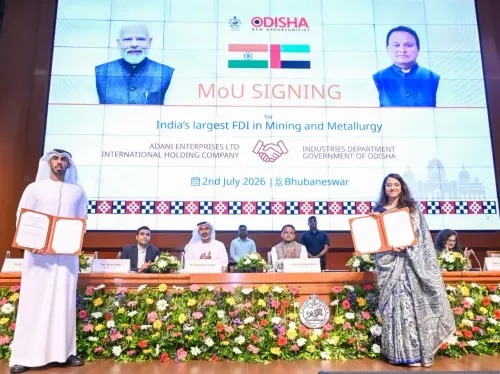
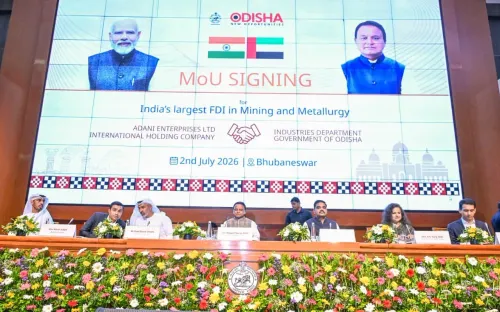
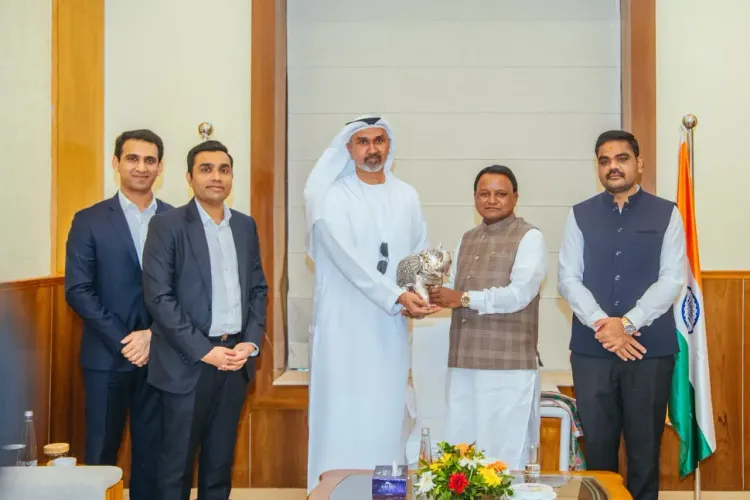
Adani Enterprises Limited (AEL) and Abu Dhabi-based International Resources Holding (IRH), an IHC Group company, announced on Thursday, 2 July a ₹1.08 lakh crore ($11.5 billion) integrated greenfield aluminium project in Odisha — structured as a 50:50 joint venture. The project is expected to be Odisha's largest foreign direct investment (FDI) proposal and India's largest FDI in the metallurgy sector, according to an AEL statement.
Project Scale and Structure
The greenfield project will be developed in two phases, with investments of ₹66,000 crore in the first phase and ₹44,000 crore in the second. Its components include a 4 million metric tonnes per annum (MMTPA) alumina refinery, a 2 MMTPA aluminium smelter, a 4,000-megawatt (MW) captive power plant, and a 1 MMTPA downstream manufacturing park, supported by enabling infrastructure.
The scope covers the complete aluminium value chain — from mining and refining through smelting to downstream manufacturing — positioning the project as one of the most vertically integrated aluminium facilities proposed in Asia.
Jobs and Economic Impact
The project is expected to generate approximately 53,500 jobs across construction and operations. Of these, around 35,000 jobs are projected during the construction phase, while 18,500 jobs are anticipated from ongoing mining, refining, production, and downstream manufacturing operations. Significant indirect employment is also expected across logistics, engineering, maintenance, and ancillary industries.
What the Government and Partners Said
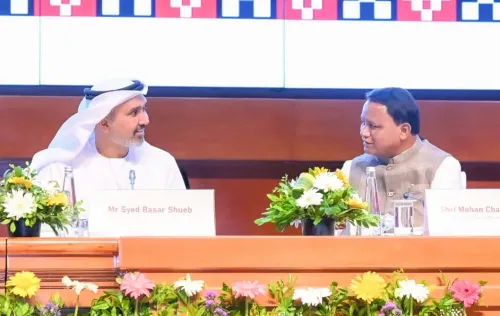
Odisha Chief Minister Mohan Charan Majhi described the announcement as a landmark moment: 'Today marks Odisha's entry into the global aluminium supply chain. Already India's leading hub for metals and mineral-based industries, the state is now poised to become a global centre for aluminium and value-added manufacturing. This investment will enable Odisha to develop the complete aluminium value chain, from mining and refining to smelting and downstream manufacturing, creating greater value within the state.'
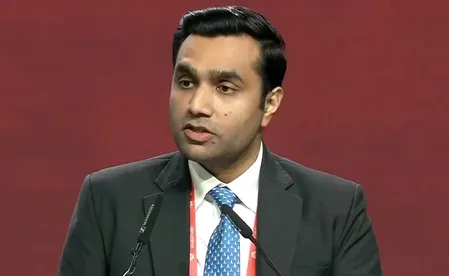
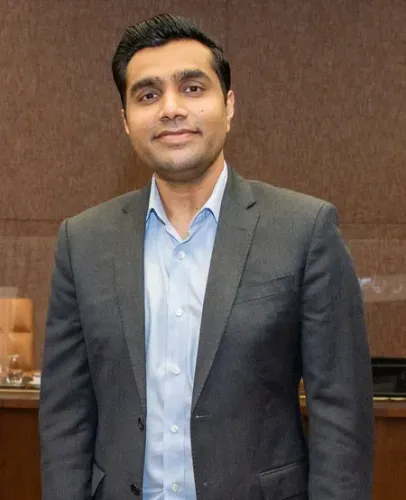
Karan Adani, Managing Director of Adani Ports and Special Economic Zone (APSEZ) and Director of Adani Cement, said: 'The proposed project reflects our confidence in Odisha as a long-term manufacturing destination. The proposed JV between Adani Group and IHC Group will further strengthen our robust partnership. Together with the Government of Odisha, we will build an integrated aluminium ecosystem that creates jobs, expands value-added manufacturing and strengthens India's industrial competitiveness.'
IHC CEO Syed Basar Shueb added: 'Through IRH, we are building an integrated mining and minerals business, investing across critical minerals to support industrial development, strengthen supply chain resilience and advance the energy transition. This partnership with Adani Enterprises reflects that strategy and our shared ambition to develop a world-class integrated aluminium project that creates lasting economic value.'
About the Partners
IHC is among the world's largest investment firms, with a market capitalisation of $233 billion and a portfolio of more than 1,300 subsidiaries spanning technology, infrastructure, financial services, and consumer sectors. Its subsidiary IRH, operating through 2PointZero, is a global mine-to-market platform focused on minerals critical to the energy transition and technological advancement.
This is not the first Adani-IHC collaboration. Earlier this year, IHC Group company ePointZero entered a joint venture with Adani Green Energy to develop renewable energy projects across India — signalling a deepening strategic alliance between the two conglomerates.
Strategic Significance
Once operational, the project is expected to reinforce India's aluminium manufacturing base and cement Odisha's reputation as one of Asia's premier destinations for large-scale industrial investment. This comes amid growing global demand for aluminium in electric vehicles, renewable energy infrastructure, and aerospace — sectors where supply chain resilience has become a geopolitical priority.
Point of View
But greenfield industrial projects of this scale in India have a mixed track record of moving from MoU to operational plant. The job projections — 53,500 across construction and operations — deserve scrutiny: construction employment is temporary, and the 18,500 permanent roles depend entirely on the project reaching full operational capacity, which in comparable Indian metallurgy projects has taken far longer than announced timelines. The Adani-IHC alliance is also strategically notable: it reflects Gulf sovereign capital's deepening pivot toward critical minerals, with aluminium increasingly central to the EV and renewable energy supply chain. Whether Odisha's infrastructure — power, water, logistics — can absorb a 4,000 MW captive plant and a 4 MMTPA refinery simultaneously is a question the announcement does not answer.
NationPress
1 Oct 2026
Frequently Asked Questions
What is the Adani-IHC aluminium project in Odisha?
It is a ₹1.08 lakh crore ($11.5 billion) integrated greenfield aluminium project announced on 2 July, structured as a 50:50 joint venture between Adani Enterprises Limited and Abu Dhabi-based International Resources Holding (IRH), an IHC Group company. The project covers the full aluminium value chain — from mining and refining to smelting and downstream manufacturing — and is described as India's largest FDI in the metallurgy sector.
How many jobs will the Odisha aluminium project create?
The project is expected to generate approximately 53,500 jobs in total — around 35,000 during the construction phase and 18,500 in ongoing operations across mining, alumina refining, aluminium production, and downstream manufacturing. Significant additional indirect employment is also anticipated in logistics, engineering, and ancillary industries.
What are the key components of the greenfield aluminium project?
The project includes a 4 MMTPA alumina refinery, a 2 MMTPA aluminium smelter, a 4,000 MW captive power plant, and a 1 MMTPA downstream manufacturing park, all supported by enabling infrastructure. It will be developed in two phases, with investments of ₹66,000 crore and ₹44,000 crore respectively.
Who is IHC and why is it partnering with Adani?
IHC (International Holding Company) is one of the world's largest investment firms, headquartered in Abu Dhabi, with a market capitalisation of $233 billion and over 1,300 subsidiaries. Its subsidiary IRH, through the 2PointZero platform, invests across critical minerals central to the energy transition. Adani and IHC have been deepening ties, with another IHC entity — ePointZero — already in a renewable energy JV with Adani Green Energy.
Why is this project significant for Odisha and India?
The project is expected to be Odisha's largest-ever FDI proposal and India's largest FDI in the metallurgy sector. It would establish a complete domestic aluminium value chain, reducing import dependence and strengthening India's industrial competitiveness at a time when aluminium demand is rising globally due to EV and renewable energy growth.