Odisha CM Majhi: IPICOL-IHC MoU targets $11.5 bn mining FDI
Synopsis
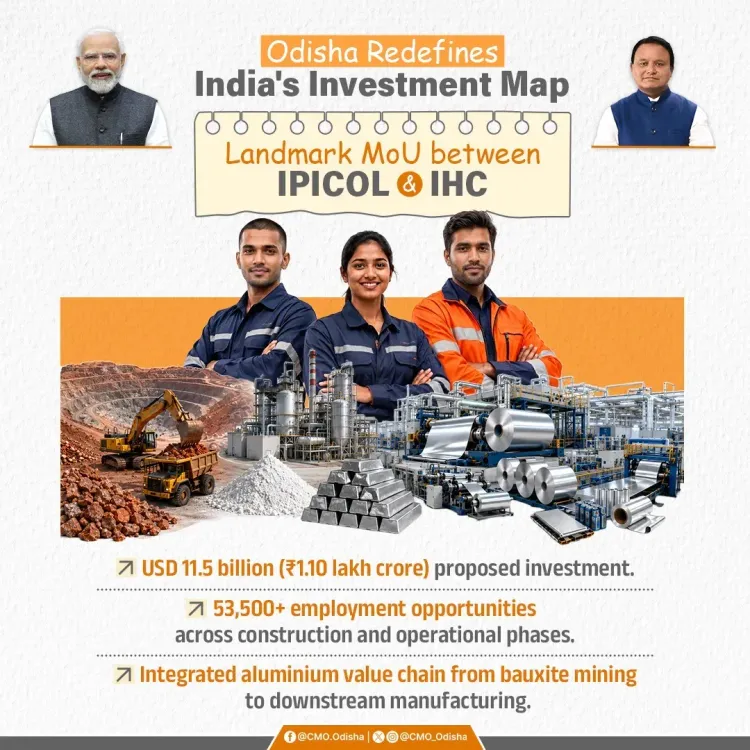
The Chief Minister's Office of Odisha announced a landmark IPICOL-IHC MoU on 2 July 2026, proposing USD 11.5 billion in FDI — described as India's largest in mining and metallurgy — with projections of over 53,500 new jobs under CM Mohan Charan Majhi's leadership.
Key Takeaways
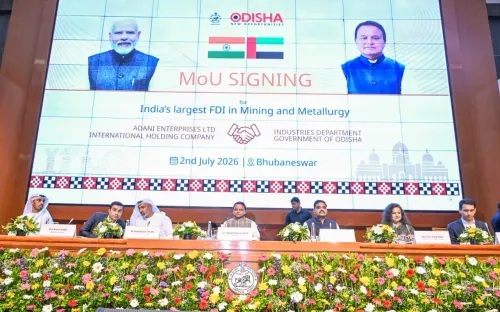
The CMO Odisha announced an MoU between IPICOL and IHC on 2 July 2026 .
The proposed investment stands at USD 11.5 billion (₹1.10 lakh crore) , described as India's largest FDI in mining and metallurgy.
The agreement is projected to create over 53,500 employment opportunities in Odisha.
The deal advances under Chief Minister Mohan Charan Majhi 's industrial growth agenda, with IPICOL acting as the state's nodal facilitation agency.
Odisha's mineral-rich clusters in Rourkela , Kalinganagar , and Angul form the industrial backbone underpinning such large-scale proposals.
Progression to ground-level investment will require clearances on land acquisition, environment, and regulatory approvals.
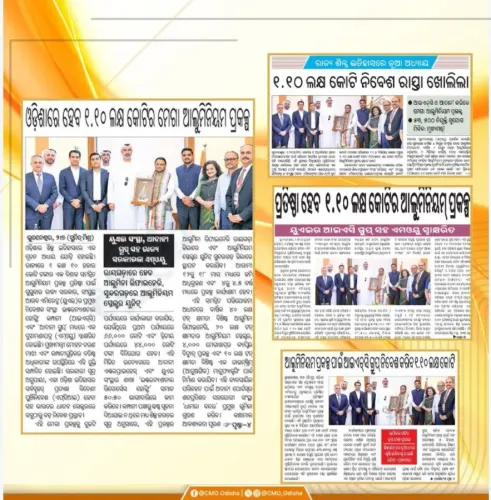
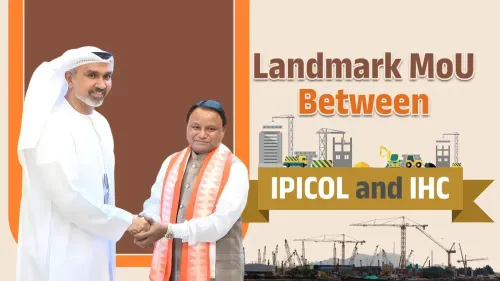
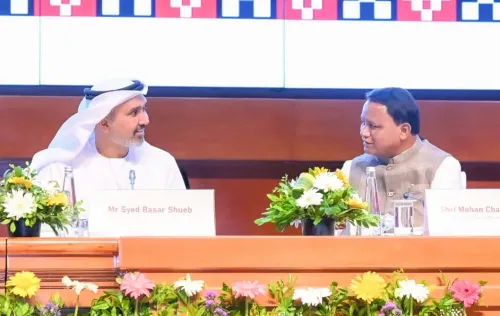
The Chief Minister's Office of Odisha announced on Thursday, 2 July 2026 that a landmark memorandum of understanding between IPICOL (Industrial Promotion and Investment Corporation of Odisha Limited) and IHC has been signed, proposing what is being described as India's largest foreign direct investment in the mining and metallurgy sector, valued at USD 11.5 billion (approximately ₹1.10 lakh crore).
Context
The CMO's post states that the agreement is expected to generate over 53,500 employment opportunities and is being positioned under the leadership of Chief Minister Shri Mohan Charan Majhi as a defining moment for Odisha's industrial ambitions. The MoU signals a formal intent to channel large-scale overseas capital into the state's mineral-rich industrial base, with the CMO framing it as strengthening Odisha's standing as a 'leading global investment destination.'
Policy Backdrop
Odisha has long been regarded as one of India's most resource-endowed states, holding significant reserves of iron ore, bauxite, and coal. Industrial clusters around Rourkela, Kalinganagar, and Angul have historically anchored the state's steel and metallurgy ecosystem, making it a recurring destination for large capital proposals in these sectors.
The state's investment promotion efforts are routed through IPICOL, the nodal agency tasked with attracting and facilitating industrial projects and FDI. At the national level, the Make in India initiative — launched in September 2014 — has provided a broad policy framework encouraging overseas investors to commit to manufacturing and core sectors, including metals and mining. Odisha's own Industrial Policy Resolution 2015 complemented this by offering targeted incentives for mineral-based industries.
Chief Minister Majhi, who assumed office in June 2024 heading a BJP government, has made industrial investment attraction a stated priority. The IPICOL-IHC agreement, if it advances through regulatory approvals, would represent the single largest FDI commitment in India's mining and metallurgy sector by the figures cited.
Stakeholders and Impact
The most direct beneficiaries of a project at this scale would be Odisha's youth and the state's wider labour force, with the CMO projecting more than 53,500 jobs as an outcome. Mining and metallurgy investments of this magnitude also typically generate substantial indirect employment in ancillary industries — logistics, construction, and component supply chains.
For investors and the broader industrial community, the agreement adds to a pattern of states competing aggressively for large FDI in resource-intensive sectors. Odisha's pitch rests on its mineral endowments, existing infrastructure, and the institutional support offered through IPICOL's single-window facilitation model.
What's Next
The translation of an MoU into ground-level investment will depend on progress across several regulatory stages — project clearances, land acquisition, and environmental approvals among them. Observers will watch for phased investment announcements, timelines for project commencement, and any formal disclosures from the investing entity regarding scope and structure.
If the proposed investment materialises at the stated scale, it would mark a significant inflection point not only for Odisha's industrial trajectory but also for India's broader ambition to attract transformative FDI into its natural-resource sectors.
Point of View
If it advances beyond the intent stage, would be a landmark moment in Odisha's decades-long effort to convert mineral wealth into downstream industrial value. Chief Minister Majhi is clearly using the announcement to reinforce a pro-investment identity for his administration, which is less than two years old. The framing of this as 'India's largest FDI in mining and metallurgy' is a high-stakes claim that will invite scrutiny as clearance timelines emerge. More broadly, the deal fits a competitive pattern among mineral-rich states racing to attract capital in sectors that the Centre has prioritised under its manufacturing push.
NationPress
1 Oct 2026
Frequently Asked Questions
What is the IPICOL-IHC MoU about?
The MoU is a memorandum of understanding between IPICOL, Odisha's industrial investment promotion body, and IHC, proposing a USD 11.5 billion (₹1.10 lakh crore) foreign direct investment in the mining and metallurgy sector in Odisha.
How many jobs will the Odisha mining FDI create?
The Chief Minister's Office of Odisha has projected that the proposed investment will create over 53,500 employment opportunities in the state.
Who is the Chief Minister of Odisha in 2026?
Mohan Charan Majhi is the Chief Minister of Odisha, having assumed office in June 2024 leading a BJP government.
Is this the largest FDI in India's mining sector?
The CMO Odisha has described the proposed USD 11.5 billion investment as India's largest FDI in the mining and metallurgy sector. Independent verification of this claim against all prior investments in the sector is pending as of the announcement date.