Ahmedabad firecracker blast: Three accused sent to Sabarmati Jail after remand
Synopsis
Ten people are dead, three accused are now in judicial custody, and an SIT is still unravelling the supply chain behind an allegedly unlicensed firecracker unit in Ahmedabad's Ramol area. What makes this case striking is the paper trail: a 2014 accident at the same premises, a cancelled licence, a fresh licence in a son's name, and an alleged restart of operations just weeks before the deadly blast.
Key Takeaways
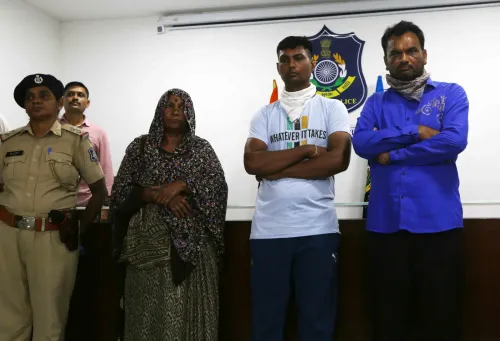
Ramila Dodia , Mehul Dodia , and Sadiq Saiyed were sent to Sabarmati Central Jail on 28 July 2025 after their seven-day police remand ended.
The blast at the Ramol-Gatrad Road firecracker unit on 18 July 2025 killed 10 people and injured 5 others .
Police allege the factory's licence had expired in March and operations resumed 20–25 days before the explosion despite closure orders.
Ramila Dodia was previously linked to a firecracker accident at the same premises in 2014 , after which her licence was cancelled.
The SIT is continuing to map the explosive materials supply chain and identify any additional accused before filing a chargesheet.
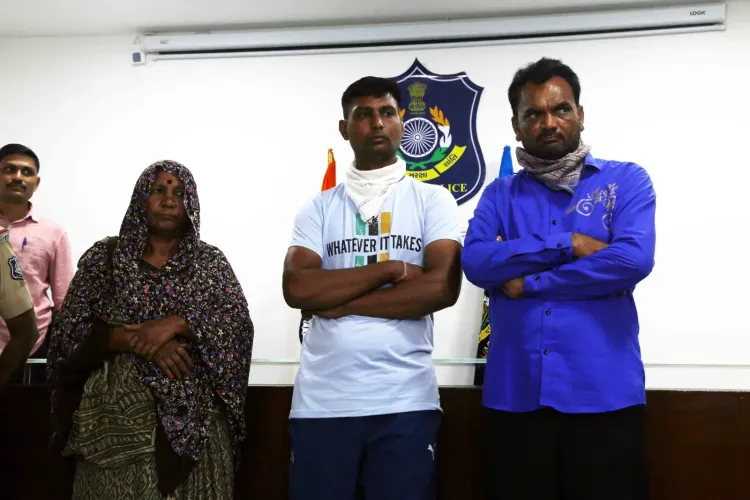
Three accused in the Ahmedabad firecracker factory blast case — Ramila Dodia, her son Mehul Dodia, and business partner Sadiq Saiyed — were sent to Sabarmati Central Jail on Monday, 28 July 2025, after their seven-day police remand concluded. The trio was produced before a metropolitan court in Ahmedabad, following which the court remanded them to judicial custody. Investigators told the court that custodial interrogation had been completed and they did not seek an extension of remand.
What Investigators Covered During Remand
During the seven-day custody, a Special Investigation Team (SIT) questioned the three accused on multiple fronts: the alleged illegal operation of the firecracker unit, procurement and storage of explosive materials, financial transactions, worker payments, and whether any additional individuals were involved in the business.
The SIT also worked to trace the source of raw explosive materials, recover labour and stock registers, reconstruct the sequence of events that led to the explosion, and establish the individual roles of each accused in the operation.
The Blast That Triggered the Case
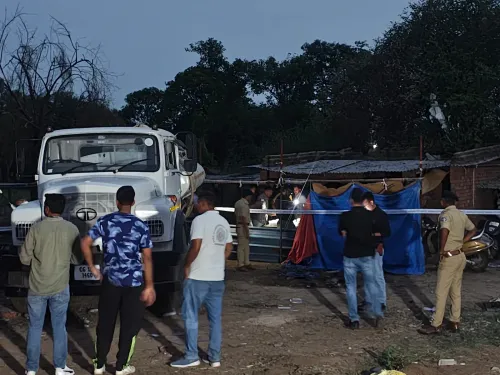
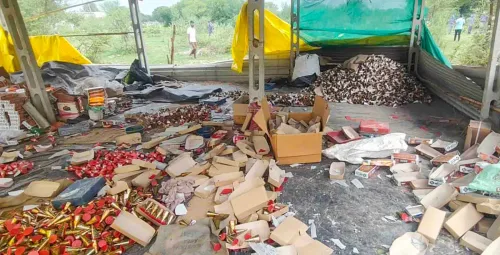
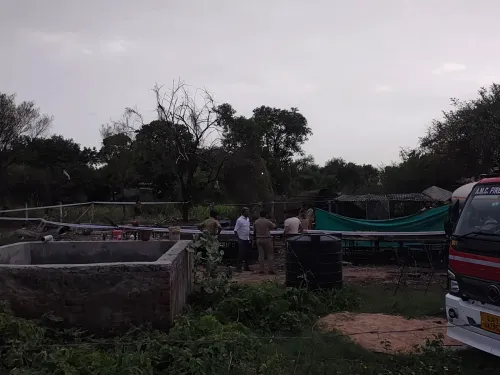
The case stems from a devastating explosion and fire that tore through a firecracker manufacturing unit on Ramol-Gatrad Road in Ahmedabad's Ramol area on 18 July 2025 at approximately 3:30 pm. The blast killed 10 people and injured five others, most of them daily-wage labourers. Several victims sustained extensive burn injuries and were rushed to Ahmedabad Civil Hospital and LG Hospital.
According to police, firecrackers were allegedly being manufactured at the unit without valid authorisation at the time of the explosion.
A History of Lapses
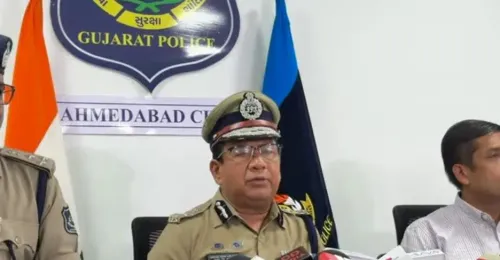
Police have alleged that the factory's licence had expired in March and that the accused had resumed operations approximately 20 to 25 days before the blast, despite closure orders being in place. Ahmedabad Police Commissioner Anupam Singh Gahlaut stated that the unit allegedly restarted production while police personnel were deployed for security arrangements during the annual Rath Yatra, reportedly to fulfil firecracker orders ahead of the forthcoming Ganesh festival.
Investigators have further noted that Ramila Dodia was previously linked to a firecracker factory accident at the same premises in 2014, after which her licence was cancelled. A fresh licence was subsequently obtained in her son Mehul Dodia's name but was not renewed after its expiry.
Legal Proceedings and What Comes Next
Offences have been registered against the accused under relevant provisions of the Bharatiya Nyaya Sanhita and the Explosives Act. The three-member SIT continues its investigation to map the complete supply chain of explosive materials, identify any additional persons connected to the unit's operation, and prepare a chargesheet against the accused.
With the accused now in judicial custody, the focus shifts to whether investigators can establish a broader network of regulatory lapses — and whether officials who may have overlooked the unit's illegal resumption will face scrutiny.
Point of View
Weeks before killing 10 workers. The 2014 accident at the same premises, the subsequent licence cancellation, and the fresh licence obtained in a family member's name together suggest a pattern of circumvention that enforcement agencies failed to catch. The SIT must answer not only who ran the unit, but who looked the other way — particularly given that police were reportedly occupied with Rath Yatra duties during the period the unit allegedly resumed production. Without accountability up the chain, the chargesheet risks being a partial reckoning.
NationPress
26 Oct 2026
Frequently Asked Questions
What happened in the Ahmedabad firecracker factory blast?
A firecracker manufacturing unit on Ramol-Gatrad Road in Ahmedabad's Ramol area exploded on 18 July 2025 at around 3:30 pm, killing 10 people and injuring five others. The unit was allegedly operating without valid authorisation at the time of the blast.
Who are the three accused sent to Sabarmati Central Jail?
The three accused are Ramila Dodia, her son Mehul Dodia, and their business partner Sadiq Saiyed. They were arrested in connection with the blast and sent to Sabarmati Central Jail on 28 July 2025 after their seven-day police remand ended.
Why is the firecracker unit described as illegal?
According to police, the factory's licence had expired in March 2025 and the unit had received closure orders. Despite this, the accused allegedly resumed operations approximately 20 to 25 days before the explosion. Ramila Dodia's licence had also been cancelled after a 2014 accident at the same premises.
What is the SIT investigating in this case?
The Special Investigation Team is probing the supply chain of raw explosive materials, financial transactions, worker payments, and whether additional persons were involved in running the unit. It is also examining potential regulatory lapses and violations of the Explosives Act before filing a chargesheet.
What charges have been filed against the accused?
Offences have been registered under relevant provisions of the Bharatiya Nyaya Sanhita and the Explosives Act. The SIT is preparing a chargesheet as its investigation continues.