Tamil Nadu trust vote: AIADMK power tussle puts Speaker in decisive role
Synopsis
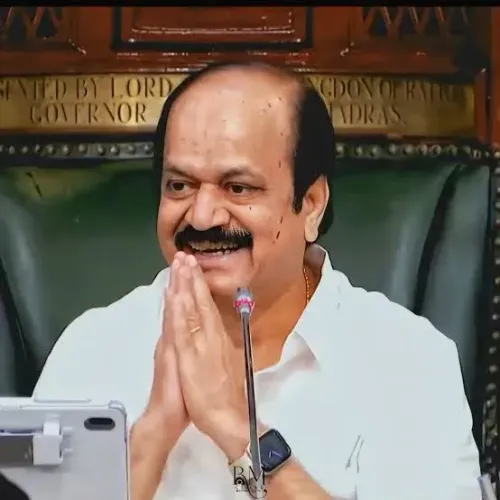
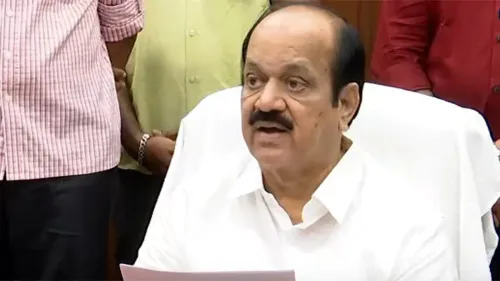
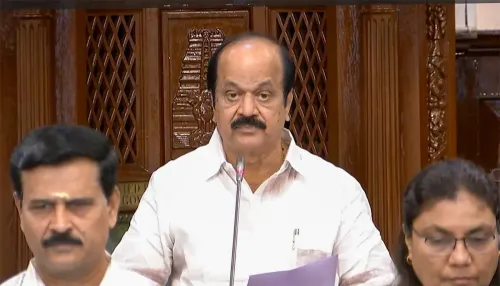
A split within the AIADMK legislature party — with rival camps led by Edappadi K. Palaniswami and S.P. Velumani both claiming MLA majority — has handed Tamil Nadu Assembly Speaker J.C.D. Prabhakar an outsized role in the state's trust vote. His recognition call could bind or free dozens of legislators under the anti-defection law, making him the unlikely kingmaker of the TVK government's survival.
Key Takeaways
AIADMK is split between factions led by Edappadi K.
Palaniswami and S.P.
Velumani , both claiming majority support among party MLAs.
Both camps have submitted separate letters to Tamil Nadu Assembly Speaker J.C.D.
Prabhakar , with several MLA signatures reportedly appearing on both letters.
The Speaker's recognition of either faction will determine the party's whip and voting obligation under the Tenth Schedule (anti-defection law) .
If two-thirds of AIADMK MLAs — approximately 32 legislators — back Velumani's faction, they may claim protection from disqualification.
The Election Commission of India alone can decide disputes over party ownership; the Speaker's authority is limited to legislature party proceedings.
The Speaker faces no fixed constitutional deadline to rule, but his decision is expected to be a turning point in the Tamil Nadu trust vote .
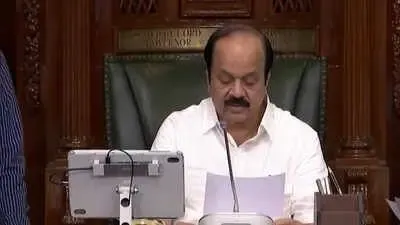
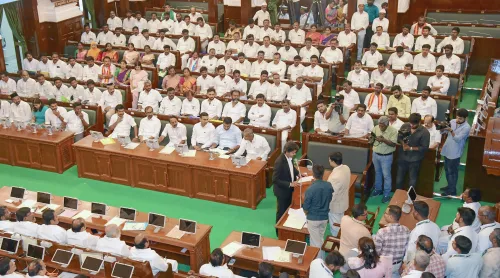
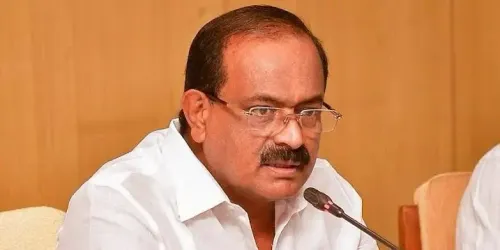
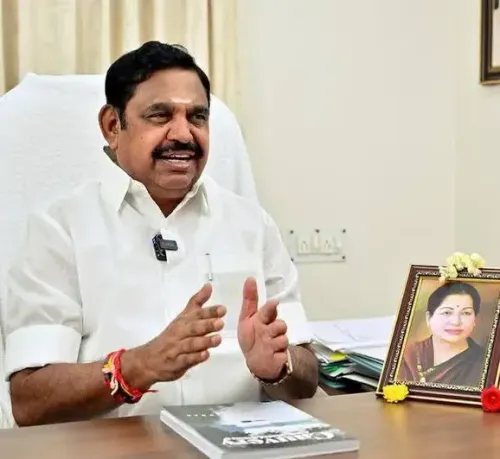
A fierce internal power struggle within the All India Anna Dravida Munnetra Kazhagam (AIADMK) has thrust Tamil Nadu Assembly Speaker J.C.D. Prabhakar into the eye of a political storm, as rival factions led by Edappadi K. Palaniswami and senior leader S.P. Velumani each claim majority support among the party's legislators ahead of a crucial trust vote in the Tamil Nadu Assembly. The Speaker's decision on recognising the legitimate AIADMK Legislature Party leader and chief whip could directly determine how the party's MLAs vote — and, by extension, the fate of the TVK-led government.
Two Letters, One Crisis
Both rival camps have submitted separate letters to the Speaker, each asserting majority backing among AIADMK legislators. Adding a dramatic layer of confusion, political sources indicate that several MLAs' signatures reportedly appear on both letters, making it difficult to establish which faction genuinely commands the majority within the party's legislature wing. The duelling claims have turned what is ordinarily a procedural matter into a full-blown constitutional flashpoint.
Anti-Defection Law at the Heart of the Dispute
Legal and constitutional experts have underscored the high stakes attached to the Speaker's recognition. If Palaniswami's faction is formally recognised, AIADMK MLAs would be legally bound to follow its whip and vote against the ruling TVK alliance during the confidence motion. Any legislator defying that whip would face disqualification proceedings under the Tenth Schedule of the Constitution.
Conversely, recognition of Velumani's faction could allow a majority of AIADMK legislators to back the TVK government without immediately inviting disqualification. Experts further noted that if at least two-thirds of AIADMK MLAs — estimated at around 32 legislators — align with Velumani's camp, they could seek protection from disqualification under the anti-defection law's merger provisions.
Speaker's Options and Constitutional Limits
Political observers have pointed out that the Speaker is not bound by any fixed constitutional deadline to resolve the recognition dispute, and could delay a ruling by citing the ongoing intra-party conflict. At the same time, he retains the authority to immediately recognise one faction based on legislative strength and supporting documentation.
Some political circles have floated the idea of the AIADMK legislature party functioning as two separate blocs inside the Assembly. Constitutional experts, however, clarified that the Speaker cannot formally split a recognised political party — that authority rests solely with the Election Commission of India (ECI), which alone can adjudicate disputes over party ownership and election symbols. The Speaker's jurisdiction is limited to recognising the legislature party leader and whip for the purposes of Assembly proceedings.
What Happens Next
With the trust vote fast approaching, the Speaker's ruling is widely expected to serve as a decisive turning point — shaping both the immediate fate of the TVK-led government and the longer-term future of the AIADMK as a cohesive political force in Tamil Nadu. All eyes are now on Speaker Prabhakar as competing legal teams and party delegations continue to press their respective claims.
Point of View
Forcing a constitutional reckoning that the party's warring factions had every incentive to defer. The Speaker's position is unenviable — any ruling will be immediately challenged, and a deliberate delay carries its own political cost. More broadly, this episode exposes a structural gap in India's anti-defection framework: a law designed to prevent opportunistic floor-crossing is now being weaponised as a tool of factional warfare, with ordinary MLAs caught between rival claims of legitimacy and the threat of disqualification.
NationPress
1 Oct 2026
Frequently Asked Questions
Why is the Tamil Nadu Assembly Speaker important in the AIADMK power struggle?
Speaker J.C.D. Prabhakar holds the authority to formally recognise which AIADMK faction controls the legislature party and its whip. That recognition determines how AIADMK MLAs are legally required to vote during the trust vote, with defiance risking disqualification under the Tenth Schedule of the Constitution.
What is the dispute between Edappadi K. Palaniswami and S.P. Velumani?
Both leaders claim to command the majority of AIADMK MLAs in the Tamil Nadu Assembly. Their rival factions have each submitted separate letters to the Speaker asserting this majority, with some MLA signatures reportedly appearing on both documents, deepening the confusion.
How does the anti-defection law apply to this situation?
Under the Tenth Schedule of the Constitution, MLAs must follow the whip issued by the officially recognised legislature party leader. If they vote against the whip, they face disqualification. However, if two-thirds of AIADMK MLAs — around 32 legislators — formally merge with one faction, they can seek protection from disqualification.
Can the Speaker split the AIADMK into two official parties?
No. Constitutional experts clarify that the Speaker can only recognise the legislature party leader and chief whip for Assembly proceedings. Formally splitting a recognised political party or adjudicating disputes over party symbols and ownership is the exclusive domain of the Election Commission of India.
Is there a deadline for the Speaker to decide on the AIADMK faction dispute?
There is no fixed constitutional deadline binding the Speaker to rule on the recognition dispute. He may delay a decision by citing the ongoing intra-party conflict, though he also has the authority to act immediately based on legislative strength and supporting documents.