Air India denies pressuring AI-171 crash victims' families over legal waivers
Synopsis
Vijay Rupani's daughter alleged Air India was pressuring crash victims' families to sign legal waivers before paying compensation — a charge the airline flatly denied on 11 June, insisting families face no deadline and can wait for the official investigation findings. With 260 dead and billions in potential liability, the dispute over the RDI document's scope could define how India handles mass-casualty aviation compensation for years.
Key Takeaways
Air India denied on 11 June 2025 that it is pressuring families of AI-171 crash victims to sign legal waivers in exchange for compensation.
The allegation was made by the daughter of former Gujarat Chief Minister Vijay Rupani , one of 260 people killed in the crash on 12 June 2025 .
The airline has paid an interim amount of ₹25 lakh per deceased family; interim compensation has reached 96 per cent of families.
Tata Sons Chairman N.
Chandrasekaran announced an ex gratia payment of ₹1 crore per family; disbursed to 91 per cent of eligible families so far.
Air India clarified its RDI document does not shield aircraft manufacturers or third parties from independent legal liability.
Families may wait for the official crash investigation findings before deciding whether to accept the final settlement.
Air India has firmly denied allegations that it is pressuring families of victims of the AI-171 Boeing crash in Ahmedabad to sign legal waivers as a condition for receiving compensation. The Tata Group-owned airline issued a formal statement on 11 June 2025, asserting there is 'absolutely no deadline or pressure' on any family to accept its final settlement offer.
The Allegation
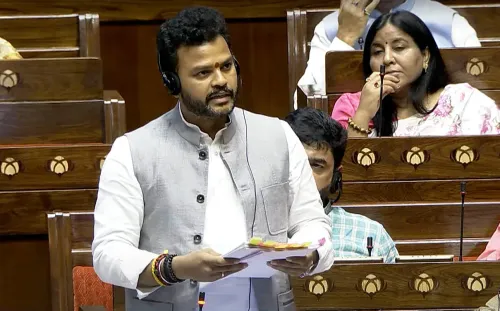
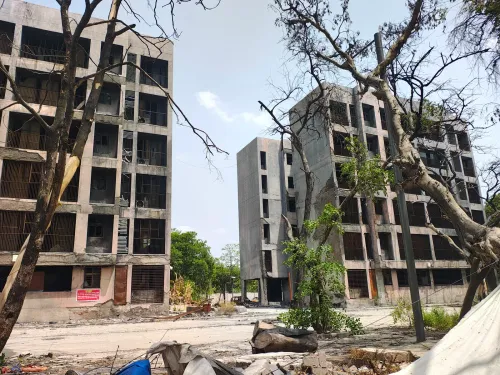
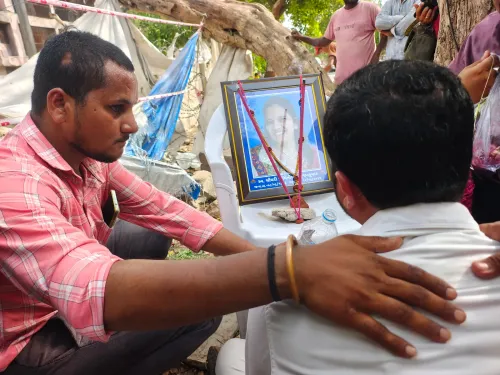
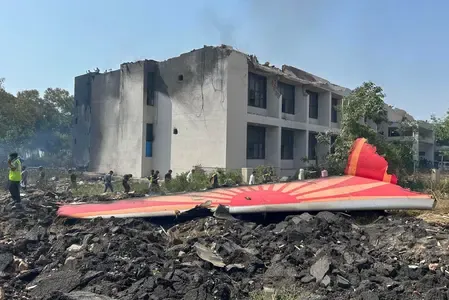
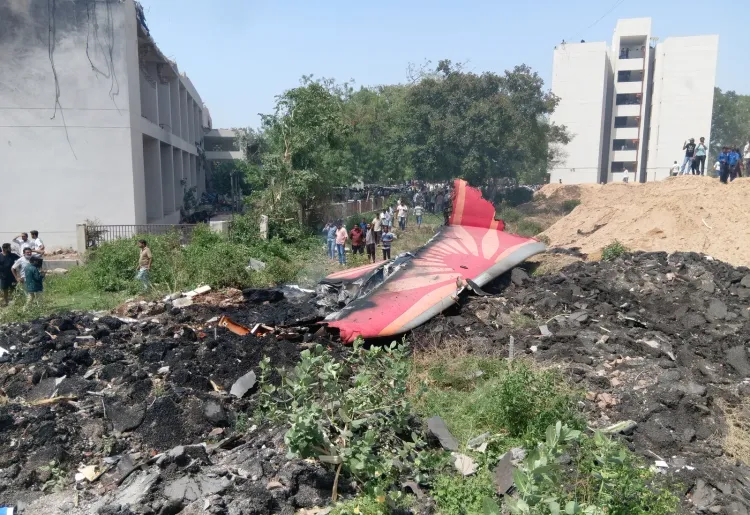
The controversy was triggered by the daughter of Vijay Rupani, former Chief Minister of Gujarat, who alleged that Air India was coercing crash victims' families into signing legal waivers before disbursing compensation. Rupani was among the 260 people killed when the aircraft went down mere seconds after take-off from Ahmedabad airport on 12 June 2025. His daughter's public statement added a high-profile voice to concerns reportedly shared by several other affected families.
What Air India Said
In its official response, Air India clarified that families retain the right to wait for the conclusions of the official investigation before deciding whether to accept any settlement. The airline said the language in its Receipt, Discharge and Indemnity (RDI) document is designed solely to make compensation settlements final and to protect the airline from duplicate future claims — not to insulate aircraft manufacturers or other third parties from independent legal liability.
'Families or individuals have absolutely no deadline or pressure to accept our offer within a set timeframe,' the airline stated.
Compensation Disbursed So Far
Air India said it has paid an interim amount of ₹25 lakh (approximately £21,000) to the families of each deceased passenger to address immediate financial needs. According to the airline, interim compensation has reached the families of 96 per cent of the deceased. The remaining cases involve incomplete documentation or ongoing family disputes over legal heirs.
On the ground-injury side, 94 per cent of those injured have received either a one-time full-and-final settlement or interim compensation, depending on the severity of injury and any loss of livelihood. The remaining individuals had collected a form from the airline's helpdesk after the crash but had not subsequently submitted it, the airline said.
Tata Group's Ex Gratia Payments
Tata Sons Chairman N. Chandrasekaran had separately announced an ex gratia payment of ₹1 crore per deceased family as part of the Tata Group's philanthropic commitments — a measure the group described as going beyond statutory compensation requirements. Air India said ex gratia disbursements of ₹1 crore have been completed for 91 per cent of the families of the deceased. The remaining cases involve either incomplete documentation or families that have declined to accept the payment.
What Comes Next
With the official investigation into the AI-171 crash still under way, families who choose not to accept the current settlement retain the option to pursue separate legal action once findings are published. The airline's clarification does little to fully resolve the underlying tension between expedited financial relief and families' rights to hold all responsible parties — including aircraft manufacturers — accountable through the courts. How regulators and courts ultimately interpret the RDI document's scope will likely determine whether the dispute escalates further.
Point of View
Once signed, practically forecloses families from pursuing Boeing or other third parties in court. The airline says it does not — but that is the airline's own reading of its own document, not a judicial or regulatory determination. With 260 dead and a high-profile political family among the victims, this dispute is unlikely to stay out of court. The real accountability question is not whether Air India is applying informal pressure, but whether its compensation architecture — however generously funded — is being used to quietly limit the legal options of grieving families before an investigation is complete.
NationPress
26 Sept 2026
Frequently Asked Questions
What did Air India deny regarding AI-171 crash compensation?
Air India denied that it is pressuring families of the AI-171 Boeing crash victims in Ahmedabad to sign legal waivers as a condition for receiving compensation. The airline stated there is 'absolutely no deadline or pressure' on any family to accept its final settlement offer.
Who raised the allegation against Air India?
The allegation was made by the daughter of former Gujarat Chief Minister Vijay Rupani, who was among the 260 people killed when AI-171 crashed seconds after take-off from Ahmedabad airport on 12 June 2025. She claimed the airline was pressuring victims' families to sign legal waivers before disbursing compensation.
What compensation has Air India paid so far?
Air India has paid an interim amount of ₹25 lakh per deceased family to address immediate financial needs, reaching 96 per cent of families. Tata Sons Chairman N. Chandrasekaran separately announced an ex gratia payment of ₹1 crore per family, which has been disbursed to 91 per cent of eligible families.
What is the RDI document and why is it controversial?
The Receipt, Discharge and Indemnity (RDI) document is Air India's compensation settlement agreement. The airline says it is designed only to make settlements final and prevent duplicate claims against Air India — not to protect aircraft manufacturers or other third parties from independent legal action. Critics, however, are concerned that signing it could limit families' broader legal options.
Can families wait before accepting Air India's compensation offer?
Yes, according to Air India's statement, families are free to wait for the official investigation findings before deciding whether to accept the final compensation offer. The airline says there is no deadline or timeframe imposed on families to accept or decline the settlement.