Akhilesh backs journalists probing UP illegal mining pits
Synopsis
Samajwadi Party president Akhilesh Yadav on 17 November 2026 expressed solidarity with journalists investigating illegal mining in Uttar Pradesh, calling for weekly on-site reports until excavation pits are restored.
Key Takeaways
Akhilesh Yadav posted on 17 November 2026 backing investigative coverage of illegal mining in Uttar Pradesh .
He coined the term pataljeevi (netherworld-dweller) to characterise those allegedly profiting from illegal excavation.
He called on journalists to stay on-site and file weekly reports on pit-restoration progress.
Uttar Pradesh has a documented history of illegal sand mining complaints, revenue leakage, and periodic court interventions.
The Samajwadi Party governed UP from 2012 to 2017 and now uses such statements as accountability pressure on the ruling administration.
When a mining pit runs deep enough to swallow accountability, Samajwadi Party president Akhilesh Yadav wants journalists to go deeper still. On Tuesday, 17 November 2026, the former Uttar Pradesh Chief Minister and Lok Sabha MP threw his public weight behind what he called 'Main Street Media' — independent investigative outlets covering illegal mining sites — demanding weekly progress reports until every unlawful excavation is filled.
Posting in Hindi, Akhilesh wrote: 'अब क्या पातालजीवी, पाताल तक खोद देंगे?' — roughly, 'Will these underworld-dwellers now dig all the way to the netherworld?' The rhetorical jab used the word pataljeevi (one who lives in the deep earth) as a sharp stand-in for those allegedly profiting from illegal excavation, before pivoting to a direct call for sustained accountability journalism.
The charge sheet in a metaphor
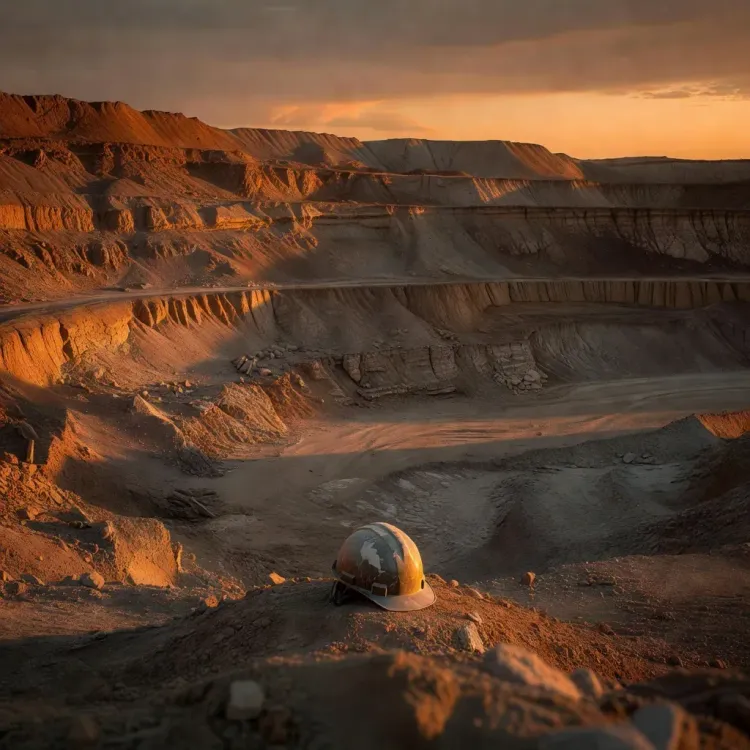
Akhilesh's post is built entirely around the image of a pit: a hole dug illegally, now a symbol of regulatory failure, that must be reported on week after week until it is physically restored. 'We are with every piece of courageous journalism that reaches the deep pits dug by corruption,' he wrote, expressing hope that 'combative journalists will remain at this site until the netherworld-deep hole of illegal mining is filled.'
Uttar Pradesh has a long, documented history of regulatory challenges around sand and mineral extraction. Allegations of illegal mining — particularly sand mining along river belts — have been associated with revenue leakage, environmental damage, and community displacement across several districts. Court interventions and enforcement drives have periodically targeted lease violations and pit-restoration compliance.
Opposition pressure through the press gallery
Indian opposition leaders have routinely amplified media investigations into corruption and illegal mining as a political pressure tactic, and Akhilesh is no stranger to the playbook. The Samajwadi Party, which governed UP from 2012 to 2017, positions itself as the accountability check on the current state administration and regularly uses platform posts to frame governance gaps as systemic failures rather than isolated incidents.
What is notable here is the specificity of the ask: not a general endorsement of press freedom, but a call for weekly on-the-ground updates — essentially demanding that journalism function as a live audit of remediation progress at a specific site or class of sites. That framing turns reporters into de facto inspectors, and the demand for regularity signals Akhilesh intends to keep the issue alive in the news cycle.
Whether the state government responds with regulatory action, court filings, or silence will determine how much oxygen this story gets next week — and the week after.
Point of View
He ties the BJP-led state government's governance record to an ongoing, verifiable environmental failure without needing to file a formal complaint or stage a protest. The demand for weekly reports is strategically clever — it converts a one-day news cycle into a recurring accountability drip. Illegal mining in Uttar Pradesh sits at the intersection of environmental regulation, state revenue, and local power networks, making it a durable political flashpoint. If media outlets accept the implicit assignment, the story runs itself; if they don't, the silence becomes the story.
NationPress
17 Nov 2026
Frequently Asked Questions
What did Akhilesh Yadav say about illegal mining on 17 November 2026?
Akhilesh Yadav expressed public support for journalists investigating illegal mining pits in Uttar Pradesh and demanded that they file weekly progress reports on pit restoration until every unlawful excavation is filled.
What does 'pataljeevi' mean in Akhilesh Yadav's post?
'Pataljeevi' literally means 'one who lives in the netherworld' or deep underground — Akhilesh used it sarcastically to describe those allegedly profiting from illegal deep-excavation mining activities.
What is the illegal mining problem in Uttar Pradesh?
Uttar Pradesh has long faced allegations of illegal sand and mineral extraction along river belts, associated with revenue leakage, environmental damage, and violations of mining lease conditions, drawing periodic court interventions and enforcement drives.
Why is Samajwadi Party raising the illegal mining issue?
As the principal opposition party in Uttar Pradesh, the Samajwadi Party uses mining-related governance failures to highlight what it characterises as regulatory lapses by the current ruling administration in the state.
What is 'Main Street Media' as mentioned by Akhilesh Yadav?
In his post, Akhilesh used 'Main Street Media' to refer to independent investigative outlets conducting on-the-ground reporting on corruption and illegal mining, distinguishing them from mainstream or establishment media.