Will Akhilesh Return to Power Despite His Family’s Efforts?

Synopsis
In the political landscape of Uttar Pradesh, the recent removal of 2.89 crore voters' names from the electoral roll has sparked intense debate. UP Cabinet Minister Om Prakash Rajbhar criticizes Akhilesh Yadav's leadership, claiming that his past success is tied to his family's legacy. Explore the implications of these developments on the upcoming elections.
Key Takeaways
2.89 crore voter names removed from the electoral roll in Uttar Pradesh.
Opposition party Samajwadi Party critiques the government.
Minister Om Prakash Rajbhar challenges Akhilesh Yadav’s political future.
Viksit Bharat-G RAM G scheme aims to enhance rural employment.
Employment rights have been legally defined with increased workdays.
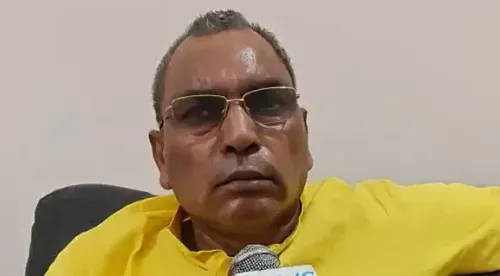
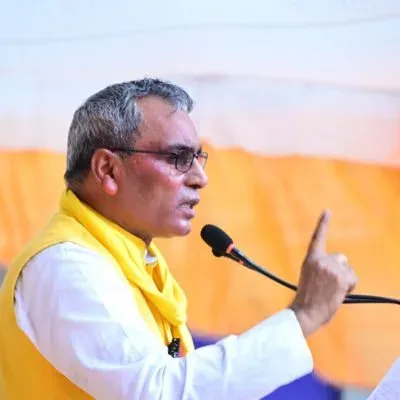
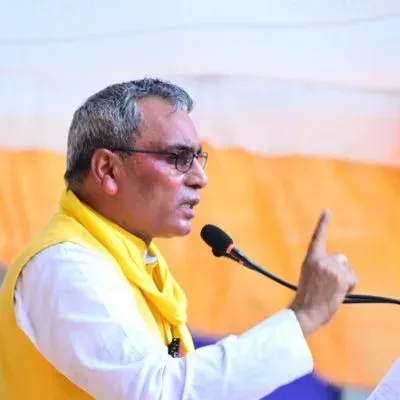
Sultanpur (UP), Jan 10 (NationPress) Approximately 2.89 crore names of voters have been removed from the draft electoral roll during the Special Intensive Revision (SIR) process in Uttar Pradesh. In response, the leading opposition party, the Samajwadi Party, has criticized the government. UP Cabinet Minister Om Prakash Rajbhar has directed his comments towards the Akhilesh Yadav-led Samajwadi Party regarding this issue.
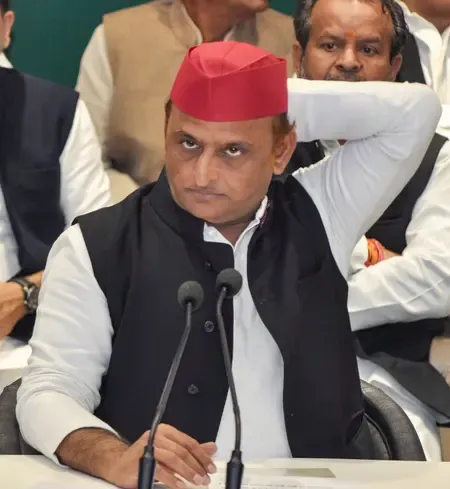
While addressing the media, Rajbhar stated, "Akhilesh ji is an educated individual. He is fully aware that he will not regain power. His tenure as Chief Minister was made possible through the efforts of his father and uncle. It is common knowledge that around 86 lakh voters statewide have been marked as deceased. If their names remain on the voters’ list, how can they be preserved? Only Akhilesh could potentially resurrect them from the afterlife; it is not within our capabilities."
He continued, "Likewise, around 2.23 lakh voters have transitioned from rural areas to urban centers and have established residency there. These individuals have registered their names in both the village and urban voter lists. The Election Commission mandates that a voter can only be registered at one location. Now, Akhilesh can elucidate to the Election Commission why voters' names should be maintained at both sites."
In his remarks, Rajbhar commended the Viksit Bharat-G RAM G scheme, labeling it a reform-centric initiative. He remarked, "MGNREGA has been rebranded as ‘Viksit Bharat–G RAM G’ with the goal of transforming it from a mere rural employment and welfare initiative into a development-linked guarantee that aligns with Prime Minister Narendra Modi’s vision of Viksit Bharat 2047."
He elaborated that the Act is designed to modernize rural employment and rectify the previous shortcomings of MGNREGA. "It emphasizes technology-driven transparency, robust accountability, sustainable resources, and enduring rural productivity. The guaranteed employment for every rural family has been increased from 100 days to 125 days. Additionally, 60 days have been allocated for farming households, securing a total of 185 days of work, which is now a legally defined right," he stated.
Furthermore, the minister mentioned that employment has been categorized into four sectors: water security, rural infrastructure, livelihood assets, and climate protection. "The interests of farmers have been safeguarded. If employment is not provided within 15 days of application submission, the individual is entitled to an unemployment allowance," Rajbhar concluded.
Point of View
It is crucial to present a balanced perspective amidst the heightened political discourse in Uttar Pradesh. The recent comments from Minister Rajbhar highlight the ongoing conflict between the ruling party and the opposition. While criticisms are made against Akhilesh Yadav, it’s essential to consider the broader electoral implications and how voter sentiment may shift in response to these developments.
NationPress
22 Sept 2026
Frequently Asked Questions
What is the significance of the electoral roll changes?
The removal of approximately 2.89 crore voters' names from the electoral roll during the Special Intensive Revision exercise could significantly affect party strategies and voter turnout in the upcoming elections.
Who is Om Prakash Rajbhar?
Om Prakash Rajbhar is a Cabinet Minister in Uttar Pradesh, known for his strong political statements and critiques of the opposition, particularly the Samajwadi Party.
What are the key features of the Viksit Bharat-G RAM G scheme?
The Viksit Bharat-G RAM G scheme aims to modernize rural employment, increase guaranteed workdays, and ensure transparency and sustainability in rural productivity.
How do deceased voters impact the electoral process?
Identifying and removing deceased voters from the electoral roll is crucial for maintaining the integrity of the voting process and ensuring accurate representation.
What are the implications for Akhilesh Yadav's political future?
Given the current criticisms and challenges, Akhilesh Yadav may face significant hurdles in regaining power, especially with the ongoing scrutiny of his leadership.