What measures is Delhi taking to combat rising air pollution?
Click to start listening
Synopsis
As air pollution worsens in Delhi, Minister Pankaj Kumar Singh details government efforts to safeguard public health. Measures include health advisories, ensuring essential medicines in hospitals, and readiness to tackle pollution-related health issues. Learn more about the city’s initiatives in response to this growing crisis.
Key Takeaways
- Government measures include issuing health advisories.
- Essential medicines are ensured in hospitals for respiratory care.
- Implementation of the Graded Response Action Plan (GRAP) for emergency pollution control.
- Collaboration with the India Meteorological Department for health alerts.
- Guidance for vulnerable populations to limit outdoor exposure.
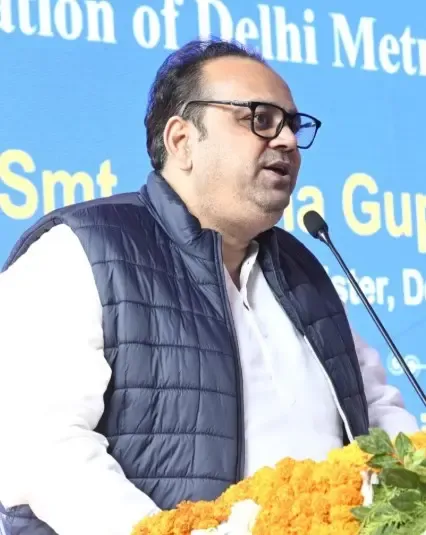
New Delhi, Dec 20 (NationPress) Delhi Minister Pankaj Kumar Singh elaborated on the steps the city government has undertaken to safeguard public health amidst escalating air pollution levels. He asserted that authorities have issued health advisories and guaranteed the availability of essential medicines in hospitals to address respiratory issues.
“We have disseminated advisories and confirmed that all necessary medications are stocked in hospitals. There is no shortage of supplies, and patients arriving at healthcare facilities are receiving prompt and appropriate treatment for respiratory ailments,” Singh conveyed to IANS, emphasizing the government's readiness to address health complications arising from pollution.
It is important to note that Delhi and the National Capital Region (NCR) have been struggling with poor air quality, as the air quality index (AQI) often fluctuates between the ‘very poor’ to ‘severe’ categories, as reported by the Central Pollution Control Board (CPCB). The presence of smog and suspended particulate matter has significantly impaired visibility across various city areas, raising alarms regarding respiratory and cardiovascular health threats to residents.
In response to these challenges, the city has enacted the provisions of the Graded Response Action Plan (GRAP)—a timely framework of pollution-control measures activated when air quality plummets to hazardous levels. As part of GRAP, educational institutions may resort to partial closures, construction activities face regulation, and there is a concentrated effort to reduce traffic and industrial emissions.
The city administration has also instructed municipal bodies and healthcare facilities to adhere to advisories from the central government regarding healthcare readiness, including the appropriate use of medications for respiratory conditions affecting both children and adults.
Health alerts and early-warning systems are shared in partnership with the India Meteorological Department (IMD) to equip communities for severe pollution episodes. Authorities continue to urge at-risk groups—including the elderly, children, and those with pre-existing health conditions—to minimize outdoor activities during peak smog hours.
Environmental experts have consistently pointed out that persistent poor air quality, exacerbated by vehicular emissions, construction dust, and seasonal factors, poses ongoing health risks. Despite governmental pushback against claims of a direct link between AQI levels and long-term lung diseases, medical professionals concede that air pollution is a significant contributor to respiratory conditions and remains a major health threat.
Point of View
It is crucial to recognize that while the Delhi government is implementing measures to address the concerning air quality, ongoing public scrutiny highlights the need for comprehensive long-term strategies. The health of city residents remains paramount, and it is essential for authorities to not only react but also proactively combat air pollution through sustainable policies.
NationPress
21/12/2025
Frequently Asked Questions
What is the Graded Response Action Plan (GRAP)?
The Graded Response Action Plan (GRAP) is an emergency framework of pollution-control measures activated when air quality reaches hazardous levels, including measures like regulating construction activities and reducing traffic emissions.
How is the Delhi government addressing health issues related to air pollution?
The Delhi government has issued health advisories and ensured that essential medicines are available in hospitals to treat respiratory ailments, aiming to provide immediate care for affected individuals.
What are the main health risks associated with poor air quality?
Poor air quality primarily poses risks to respiratory and cardiovascular health, increasing the likelihood of conditions such as asthma, bronchitis, and other serious health issues.
How does the government communicate health alerts to residents?
Health alerts and early-warning systems are disseminated in collaboration with the India Meteorological Department (IMD) to keep communities informed and prepared for episodes of severe pollution.
Who is most vulnerable to the impacts of air pollution?
Vulnerable groups include the elderly, children, and individuals with pre-existing health conditions, who are advised to limit outdoor exposure during peak smog hours.