Amit Shah Inaugurates 1,176+ Homes at Ahmedabad Slum Site
Synopsis
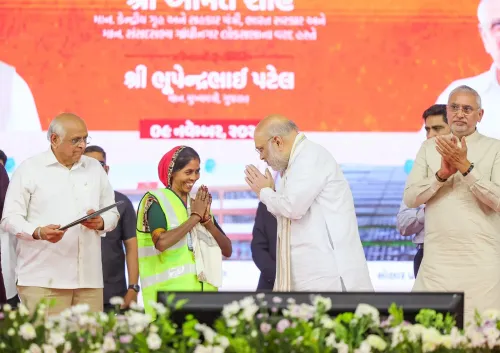
Union Home Minister Amit Shah inaugurated over 1,176 housing units and shops at Ahmedabad's Ramapir no Tekro slum settlement on November 9, 2026. Built by the Ahmedabad Municipal Corporation at ₹88 crore under the slum rehabilitation policy, the project gives long-term slum dwellers permanent homes and livelihood spaces.
Key Takeaways
More than 1,176 housing units and shops were inaugurated at the rehabilitated Ramapir no Tekro settlement in Ahmedabad .
The project was executed by the Ahmedabad Municipal Corporation at a cost of ₹88 crore under the city's slum rehabilitation policy.
Commercial shop spaces were integrated into the complex to provide residents with a permanent livelihood base alongside housing.
The project aligns with the Pradhan Mantri Awas Yojana (Urban) framework, which prioritises in-situ slum redevelopment.
Union Home Minister Amit Shah described dignified homeownership for the poor as the government's core priority at the inauguration.
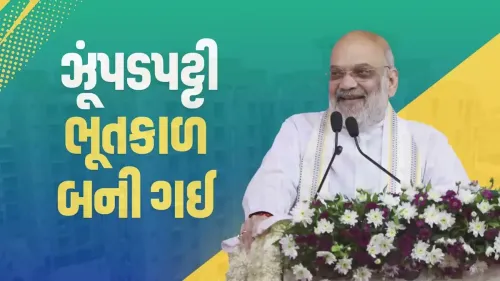
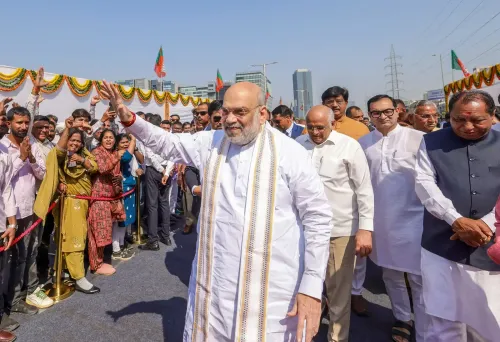
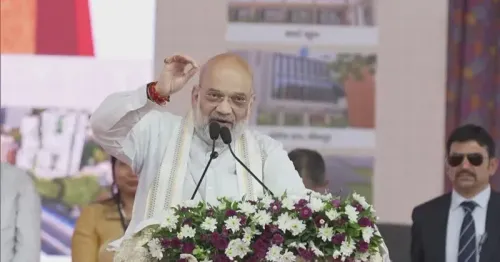
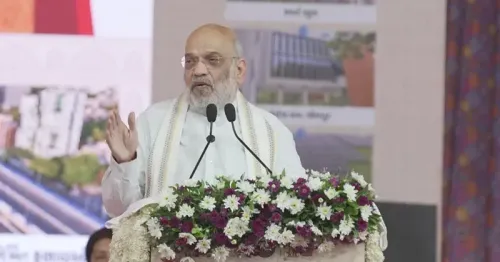
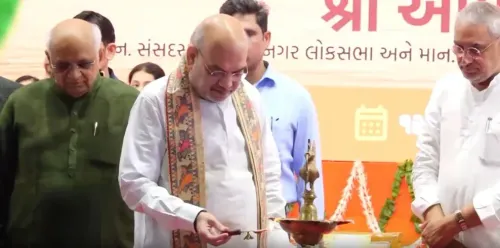
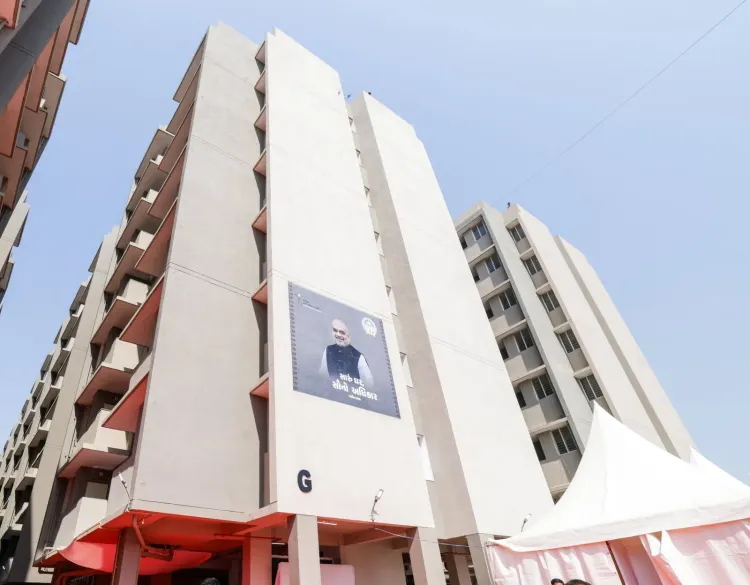
Thousands of families who spent years in makeshift shelters at Ramapir no Tekro, one of Ahmedabad's largest slum settlements, now have the keys to permanent homes. Union Home Minister Amit Shah on Monday, November 9, 2026, inaugurated the rehabilitated housing complex built by the Ahmedabad Municipal Corporation (AMC) under the city's slum rehabilitation policy — a project that combined pucca housing with built-in livelihood spaces.
What was built at Ramapir no Tekro — and what it cost
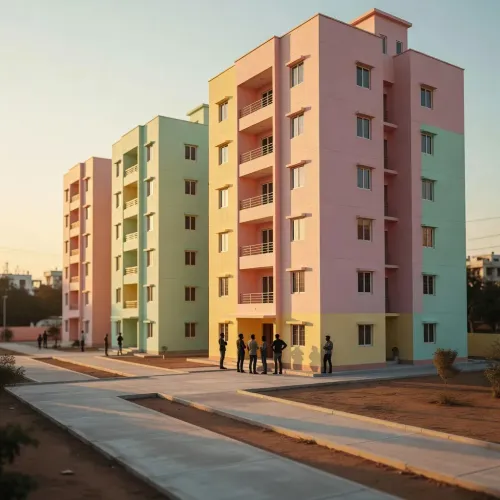
The project delivered more than 1,176 housing units and shops at a total outlay of ₹88 crore. The inclusion of commercial shop spaces alongside residential units is deliberate: it gives displaced slum families not just a roof but a stable economic foothold within the same complex. Shah described the initiative in both Hindi and Gujarati, saying the government's priority is that 'gareeb bhi apne awaas mein swabhimaan ke saath jeevan yaapan kar sake' — 'even the poorest should be able to live with dignity in their own home.'
The slum rehabilitation policy driving the project
The AMC's slum rehabilitation policy, which aligns with the central government's Pradhan Mantri Awas Yojana (Urban) framework launched in 2015, treats in-situ redevelopment as the preferred model — rebuilding on the same land rather than relocating communities far from their livelihoods and social networks. Ramapir no Tekro had long been identified as a priority settlement under this framework. The approach of integrating shops into housing clusters aims to prevent the economic disruption that often follows forced relocation, giving residents both security of tenure and a formal space to earn.
Ahmedabad's urban poor and the dignity dividend
India's cities are home to tens of millions of people living in informal settlements — households that pay informal rents, lack legal title to their homes, and are exposed to demolition without notice. Projects like this one attempt to convert informal residents into formal homeowners, bringing them inside the orbit of municipal services, credit systems, and civic rights. For the families of Ramapir no Tekro, the shift from a temporary structure to a registered pucca home is not merely material — it is a legal and social transformation. Shah's framing of the event around 'swabhimaan' (self-respect) reflects a consistent political messaging strategy that links housing delivery to the restoration of dignity for the urban poor.
With this inauguration complete, attention turns to whether the AMC will accelerate rehabilitation across other remaining slum pockets in the city — and whether central scheme funding will be unlocked for the next phase.
Point of View
The party's home state. By combining residential units with commercial shops, the AMC model attempts to address a persistent criticism of slum rehabilitation: that relocated families lose their informal economic ecosystems. The event's high-profile inauguration by the Union Home Minister, rather than a local official, signals the political weight the party places on visible urban welfare milestones ahead of municipal and state electoral cycles. It also reinforces the PMAY-Urban framework as a vehicle for Centre-state convergence on urban poverty reduction.
NationPress
9 Nov 2026
Frequently Asked Questions
What is Ramapir no Tekro in Ahmedabad?
Ramapir no Tekro is one of Ahmedabad's largest informal slum settlements, identified for in-situ rehabilitation under the Ahmedabad Municipal Corporation's slum redevelopment policy. Thousands of families lived there in temporary structures for years before the current rehabilitation project.
How many homes were built at Ramapir no Tekro?
More than 1,176 housing units and shops were constructed at the rehabilitated Ramapir no Tekro complex at a cost of ₹88 crore , according to the inauguration announcement by Union Home Minister Amit Shah.
What is the slum rehabilitation policy behind this project?
The project was carried out under the Ahmedabad Municipal Corporation's slum rehabilitation policy, which aligns with the central government's Pradhan Mantri Awas Yojana (Urban) scheme launched in 2015. The scheme's in-situ redevelopment vertical rebuilds housing on the same land to minimise community displacement.
Why were shops included in the housing complex?
Integrating commercial shops alongside residential units gives rehabilitated families a formal, permanent space to earn livelihoods within the same complex, addressing the economic disruption that often accompanies relocation from slum settlements.
What is Pradhan Mantri Awas Yojana Urban and how does it relate to this project?
Pradhan Mantri Awas Yojana (Urban) , launched in 2015 , is a central government scheme to provide pucca housing to the urban poor. One of its key verticals is in-situ slum redevelopment, the approach used at Ramapir no Tekro, where families are housed in formal units built on the land they already occupy.