Amit Shah inaugurates JP Narayan Library in New Delhi
Synopsis
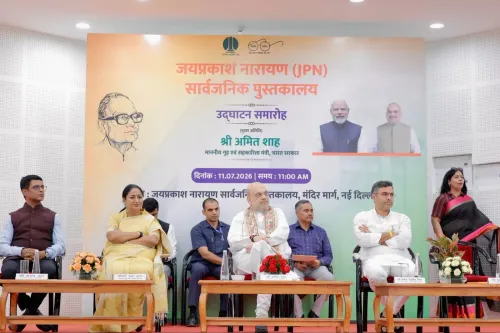
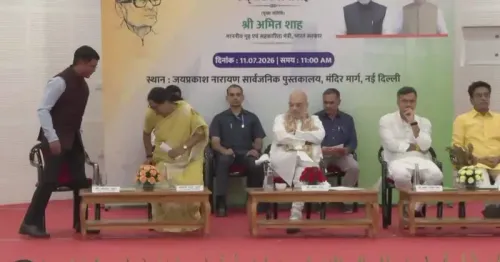
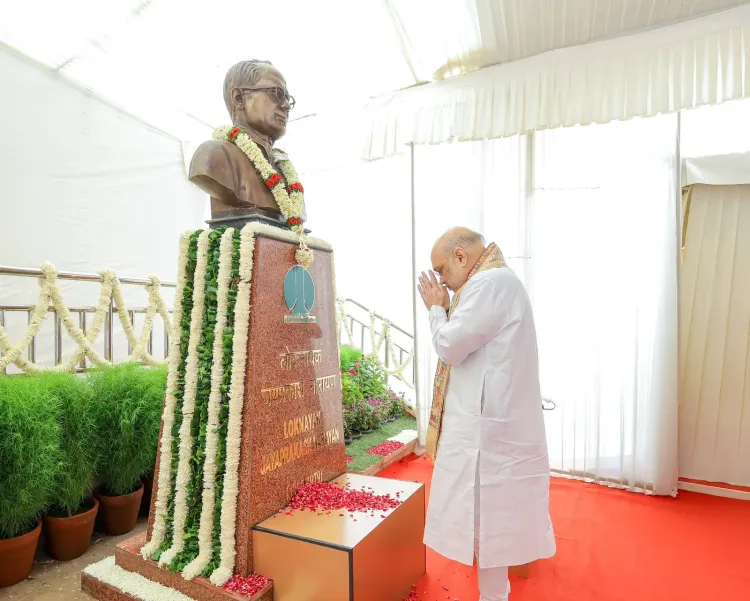
Union Home Minister Amit Shah inaugurated the Loknayak Jayaprakash Narayan Library in New Delhi on 11 July 2026. The modern facility houses over 32,000 books and 1 crore e-books, with research rooms and reading areas, honouring the Sampoorna Kranti leader's legacy.
Key Takeaways
Union Home Minister Amit Shah inaugurated the Loknayak Jayaprakash Narayan Library in New Delhi on 11 July 2026 .
The library is stocked with more than 32,000 physical books and 1 crore e-books , alongside research rooms and reading areas.
The facility is named after Jayaprakash Narayan , the socialist leader who led the Sampoorna Kranti movement in 1974 and opposed the 1975 Emergency .
Shah urged youth to use the library to enrich their thinking and knowledge, echoing Narayan's own emphasis on young people as agents of change.
The inauguration continues the central government's pattern of honouring leaders from varied ideological backgrounds through cultural and educational infrastructure.
Observers will watch for integration with national digital library platforms and similar state-level modernisation projects.
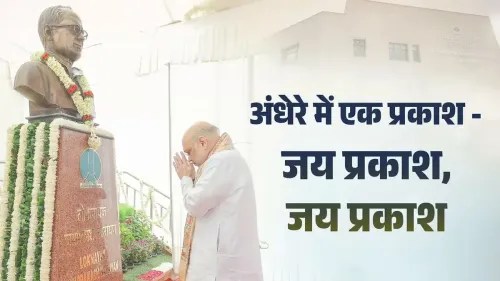
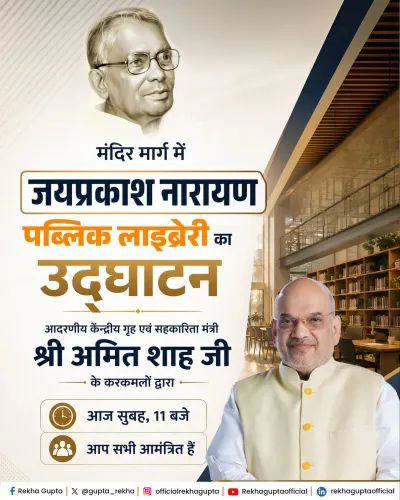
Union Home Minister Amit Shah on Saturday, 11 July 2026, inaugurated the Loknayak Jayaprakash Narayan Library in New Delhi, dedicating the modern public library to the legacy of the socialist leader and Sampoorna Kranti (Total Revolution) movement icon Jayaprakash Narayan.
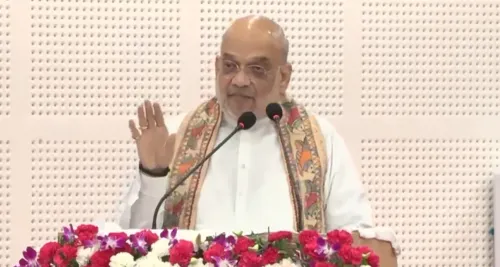
Announcing the inauguration on X, Shah wrote that the library is equipped with more than 32,000 books, 1 crore e-books, research rooms, reading areas, and state-of-the-art facilities. In his post he said the library carries 'the stream of knowledge, philosophy and language that carries centuries of experience with it,' and urged youth to connect with books as a means of enriching their thinking and knowledge.
Context
Jayaprakash Narayan, widely revered as Loknayak (People's Leader), was one of independent India's most consequential figures — a socialist, Gandhian, and Independence-era activist who in 1974 launched the Sampoorna Kranti movement against the government of the day, galvanising students and citizens across the country. His movement directly preceded and shaped the resistance to the 1975 Emergency, and he played a pivotal role in the formation of the post-Emergency Janata Party government in 1977.
Naming a major public library after Narayan in the national capital is a symbolic act of institutional commemoration, placing him alongside other leaders honoured through cultural and educational infrastructure in New Delhi.
Policy Backdrop
The inauguration fits within a broader pattern by the central government of commissioning cultural and educational infrastructure that honours leaders from varied ideological traditions, including socialists and non-BJP political figures. Libraries with integrated digital collections align with national efforts to expand public access to knowledge resources and bridge the gap between physical and digital learning.
The inclusion of 1 crore e-books alongside physical volumes signals an intent to make the facility relevant to a digitally connected generation, potentially linking it to national digital library initiatives already under way across Indian universities and public institutions.
Stakeholders and Impact
Students, researchers, and youth in and around New Delhi are the primary intended beneficiaries. Shah's post specifically called on young people to use the library to enrich their intellectual lives, echoing Jayaprakash Narayan's own emphasis on youth as agents of social change.
The research facilities and reading areas suggest the library is designed not merely as a repository but as an active intellectual space, potentially serving scholars working on history, political philosophy, and social sciences alongside general readers.
What's Next
Attention will now turn to whether the Loknayak Jayaprakash Narayan Library is integrated with existing national digital library platforms, and whether the central government announces similar library modernisation projects in other states. The inauguration may also prompt renewed public discussion on Jayaprakash Narayan's legacy, particularly among political parties that trace ideological lineage to the Sampoorna Kranti movement. How effectively the library's digital and physical resources are made accessible to ordinary citizens — beyond ceremonial launch — will determine its lasting impact.
Point of View
Signalling the ruling party's effort to claim a broad national heritage beyond its own ideological base. It continues a deliberate pattern of the central government appropriating the legacy of leaders from the socialist and Gandhian traditions, seeking to project inclusivity in cultural memory. The emphasis on digital resources and youth engagement gives the event a forward-looking framing that goes beyond mere commemoration. Whether this translates into sustained institutional investment or remains a symbolic gesture will be the real measure of the initiative.
NationPress
11 Jul 2026
Frequently Asked Questions
What is the Loknayak Jayaprakash Narayan Library in New Delhi?
The Loknayak Jayaprakash Narayan Library is a modern public library inaugurated in New Delhi on 11 July 2026 by Union Home Minister Amit Shah. It is named after the socialist leader and Sampoorna Kranti movement icon Jayaprakash Narayan and features over 32,000 books, 1 crore e-books, research rooms, and reading areas.
Who inaugurated the Jayaprakash Narayan Library in Delhi?
Union Home Minister Amit Shah inaugurated the Loknayak Jayaprakash Narayan Library in New Delhi on Saturday, 11 July 2026.
How many books does the Loknayak Jayaprakash Narayan Library have?
According to Amit Shah's post on X, the library houses more than 32,000 physical books and 1 crore (10 million) e-books, along with research rooms and reading areas.
Who was Jayaprakash Narayan and why is a library named after him?
Jayaprakash Narayan, known as Loknayak, was a socialist leader and Independence activist who launched the Sampoorna Kranti (Total Revolution) movement in 1974 and led resistance to the 1975 Emergency. The library honours his legacy as one of independent India's most influential figures.
What is the Sampoorna Kranti movement associated with Jayaprakash Narayan?
The Sampoorna Kranti, or Total Revolution, was a mass movement launched by Jayaprakash Narayan in 1974 demanding political, social, and economic transformation. It mobilised students and citizens against the government and directly preceded the imposition of the Emergency in 1975.