Amit Shah Plants Trees in Gandhinagar's Naranpura Segment
Synopsis
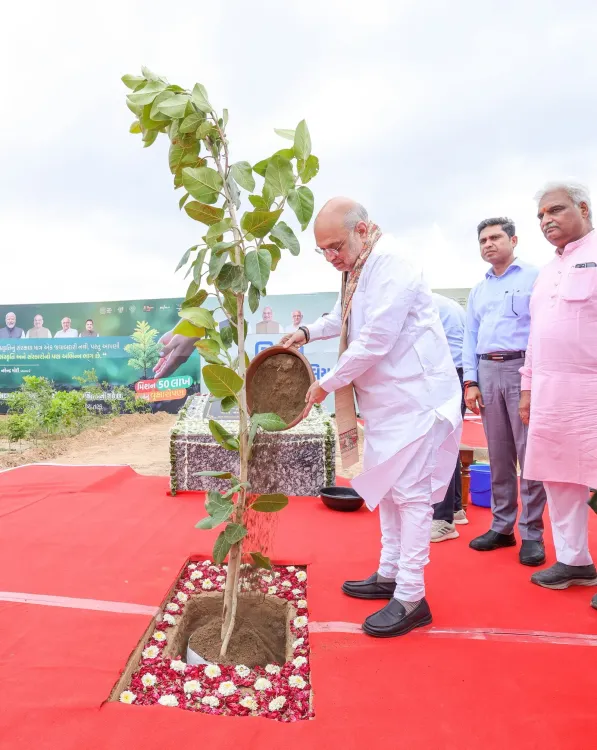
Union Home Minister Amit Shah joined a tree-plantation drive in the Stadium Ward of Naranpura Vidhan Sabha on 12 July 2026, crediting Gandhinagar residents for making the constituency a symbol of environmental conservation through years of community-led afforestation.
Key Takeaways
Union Home Minister Amit Shah planted trees in the Stadium Ward of Naranpura Vidhan Sabha on 12 July 2026 .
Shah credited Gandhinagar Lok Sabha constituency residents with planting crores of trees over past years, calling the region a symbol of environmental conservation.
The event is part of recurring monsoon-season plantation drives across Shah's Gandhinagar parliamentary constituency in Gujarat .
Gujarat 's annual Van Mahotsav drives and the central National Afforestation Programme provide the institutional backdrop for such community-led activities.
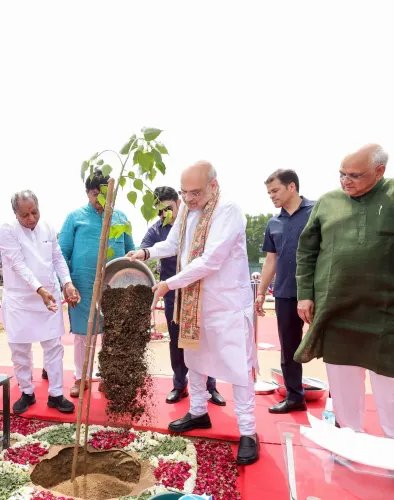
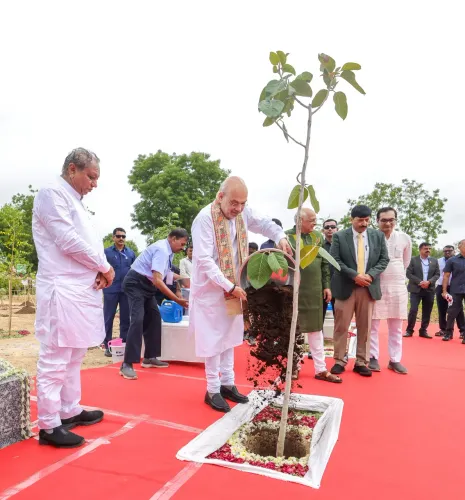
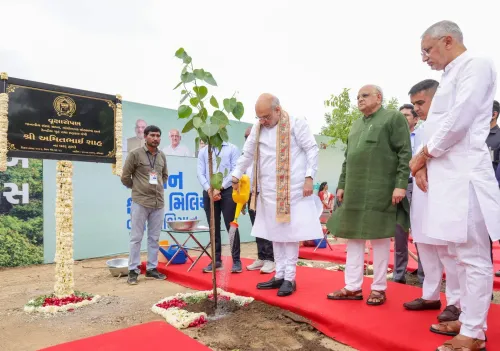
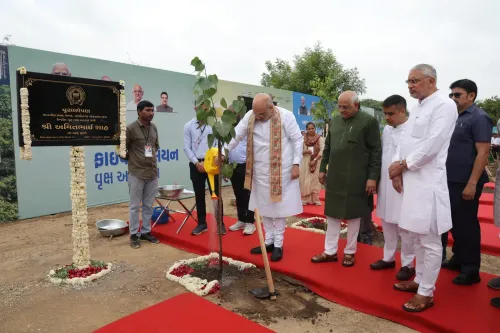
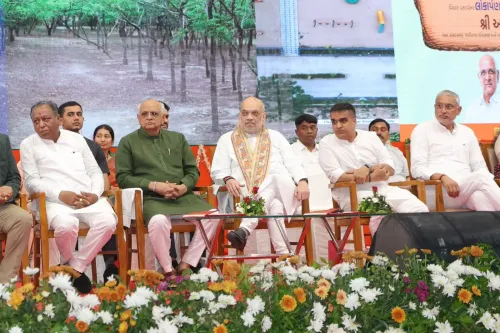
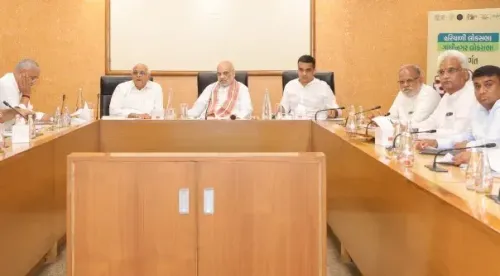
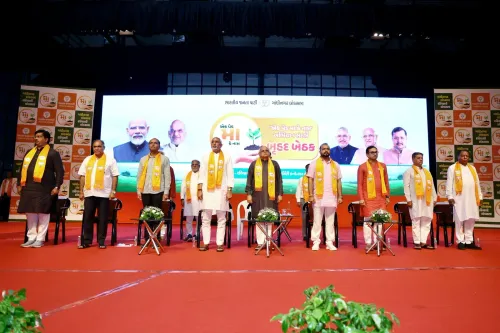
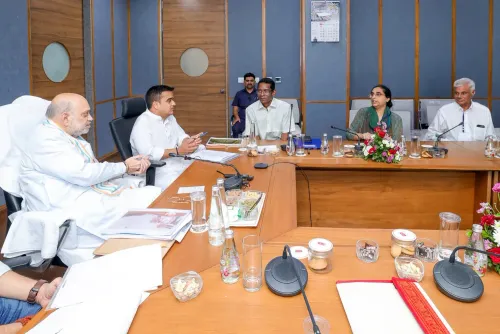
Four photographs of the plantation activity were shared alongside the post on X.
Union Home Minister Amit Shah participated in a tree-plantation drive in the Stadium Ward of Naranpura Vidhan Sabha segment on Sunday, 12 July 2026, continuing a series of environmental outreach activities across his Gandhinagar Lok Sabha constituency in Gujarat.
Sharing the event on X, Shah wrote in Gujarati: 'ગાંધીનગર લોકસભા વિસ્તારના રહેવાસીઓએ પાછલા વર્ષોમાં કરોડો વૃક્ષો વાવીને આ ક્ષેત્રને પર્યાવરણ સંરક્�णनું પર્યાય બनाव्यू छे.' ('Residents of the Gandhinagar Lok Sabha area have, over the past years, planted crores of trees, making this region synonymous with environmental conservation. Today I planted trees in the Stadium Ward of Naranpura Vidhan Sabha.')
Context
Gandhinagar, the capital of Gujarat, has been Amit Shah's parliamentary constituency since 2019. The constituency encompasses several Vidhan Sabha segments, including Naranpura, an urban pocket within Ahmedabad district that falls under the Gandhinagar Lok Sabha seat. Tree-plantation events in the area have become a recurring feature of constituency-level engagement, particularly during the monsoon season when conditions favour afforestation.
The post was accompanied by four photographs documenting the plantation activity, providing visual evidence of the ground-level event in the Stadium Ward.
Policy Backdrop
Gujarat has maintained annual Van Mahotsav and district-level plantation drives since the early 2000s, supported by the central government's National Afforestation Programme launched in 2000-01, which channels funding to community-led tree-planting initiatives across states. These drives are aligned with India's broader climate commitments, which include targets for expanding forest and tree cover as part of the country's nationally determined contributions under international climate agreements.
The 2026 monsoon season has provided a fresh window for such drives, with state forest departments typically ramping up plantation activities between July and September.
Stakeholders and Impact
The primary beneficiaries of sustained plantation drives in the Gandhinagar constituency are local residents, civic bodies, and urban green-cover indices. Urban tree cover in semi-arid regions like central Gujarat directly affects local air quality, urban heat-island mitigation, and groundwater recharge. Community participation, as highlighted in Shah's post, is central to the model — positioning residents as co-owners of the environmental outcome rather than passive recipients of a government scheme.
BJP leaders across Gujarat have consistently used such visible, participatory drives to complement the state's industrial growth narrative, demonstrating environmental stewardship alongside economic development messaging.
What's Next
The Gujarat forest department's annual plantation achievement report for the 2026 monsoon cycle is expected to provide aggregate data on trees planted across constituencies, including Gandhinagar. Further plantation drives across other wards and Vidhan Sabha segments within the constituency are likely as the monsoon progresses. The pattern of high-visibility constituency events also signals continued ground-level outreach in urban and semi-urban pockets of Gujarat through the season.
Point of View
Where high-profile environmental participation serves both a civic and a political function — reinforcing the party's image as stewards of development and ecology simultaneously. By foregrounding resident participation rather than government machinery, Shah's framing aligns with a broader BJP communication strategy that positions community agency at the centre of public-good outcomes. With Gujarat's urban constituencies growing in electoral salience, visible ground-level engagement in wards like Stadium Ward signals continued investment in urban voter outreach. The timing — peak monsoon season — is also optimal for afforestation optics, lending the activity scientific credibility alongside its symbolic value.
NationPress
12 Jul 2026
Frequently Asked Questions
Where did Amit Shah plant trees on 12 July 2026?
Amit Shah planted trees in the Stadium Ward of Naranpura Vidhan Sabha segment, which falls within his Gandhinagar Lok Sabha constituency in Gujarat.
What did Amit Shah say about Gandhinagar's tree plantation efforts?
Shah stated that residents of the Gandhinagar Lok Sabha area have planted crores of trees over past years, making the constituency synonymous with environmental conservation.
What is Van Mahotsav and how is it connected to this event?
Van Mahotsav is an annual tree-plantation festival observed across India, including Gujarat, to promote afforestation. Gujarat has run such drives since the early 2000s, providing the institutional framework for constituency-level events like the one Shah attended.
Why does Amit Shah regularly hold events in Gandhinagar?
Gandhinagar has been Amit Shah's Lok Sabha constituency since 2019, and he regularly participates in constituency-level activities — including plantation drives — as part of his parliamentary outreach.
What is the National Afforestation Programme?
The National Afforestation Programme, launched in 2000-01, is a central government scheme that provides funding for community-led tree-planting initiatives in states across India, including Gujarat.