Amit Shah pays tribute to Bal Gangadhar Tilak on Jayanti
Synopsis
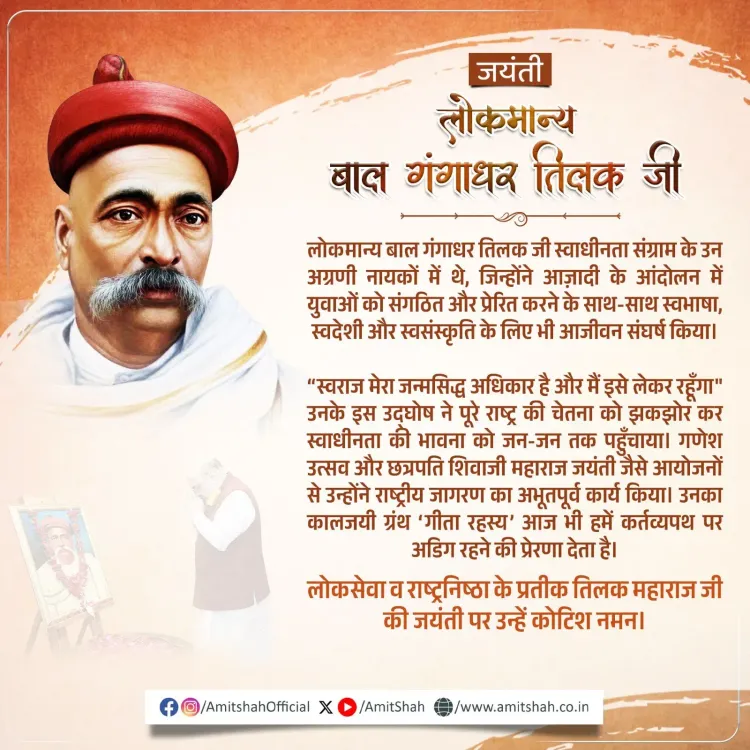
Union Home Minister Amit Shah on 23 July 2026 honoured Bal Gangadhar Tilak on his birth anniversary, citing his Swaraj declaration, Ganesh Utsav, Shivaji Jayanti celebrations, and Gita Rahasya as enduring pillars of India's freedom movement and cultural nationalism.
Key Takeaways
Union Home Minister Amit Shah paid tribute to Bal Gangadhar Tilak on his birth anniversary on 23 July 2026 .
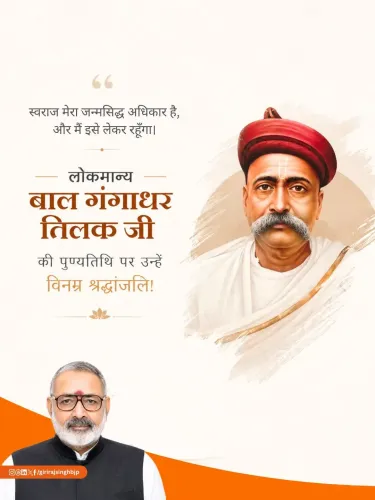
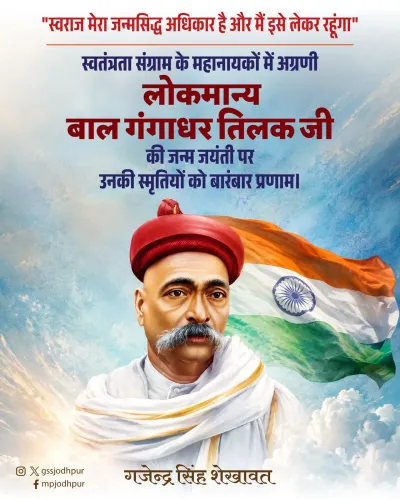
Shah quoted Tilak's iconic declaration: 'Swaraj is my birthright and I shall have it,' calling it a statement that awakened national consciousness.
He credited Tilak with organising Ganesh Utsav (from 1893 ) and Shivaji Jayanti (from 1895 ) as tools of grassroots national mobilisation.
Shah highlighted Tilak's book Gita Rahasya as a timeless guide to remaining steadfast in one's duty.
Tilak's advocacy of Swabhasha, Swadeshi, and Swasanskriti was cited as a lifelong commitment alongside his political freedom struggle.
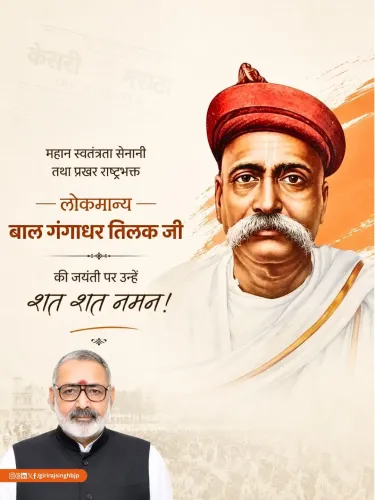
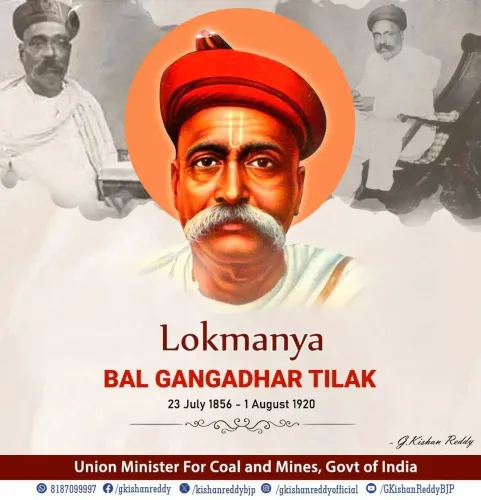
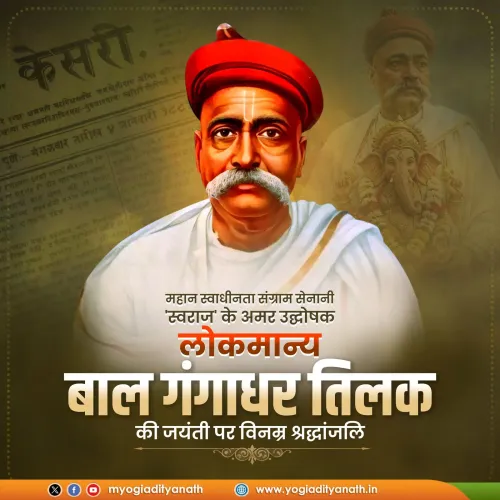
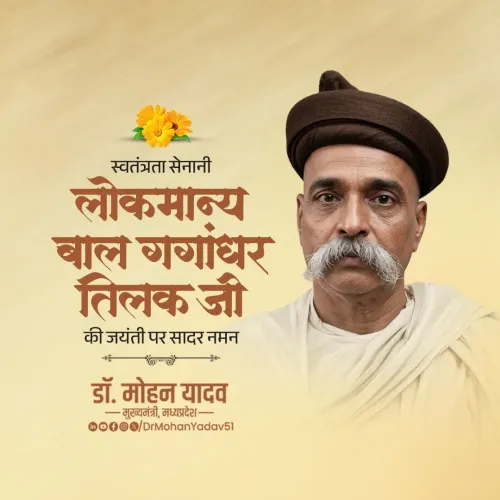
Union Home Minister Amit Shah on Thursday, 23 July 2026, paid tribute to freedom fighter Bal Gangadhar Tilak on his birth anniversary, honouring him as a foremost leader of India's independence movement who mobilised youth and championed the causes of Swabhasha, Swadeshi, and Swasanskriti.
Context
In his post, Shah quoted Tilak's iconic declaration — 'Swaraj mera janmasiddh adhikar hai aur main ise lekar rahunga' (Swaraj is my birthright and I shall have it) — calling it a proclamation that 'shook the conscience of the entire nation and carried the spirit of freedom to every person.' He also praised Tilak's timeless work Gita Rahasya as a continuing source of inspiration to remain steadfast on the path of duty.
Shah further highlighted Tilak's role in organising Ganesh Utsav and the birth anniversary celebrations of Chhatrapati Shivaji Maharaj as instruments of unprecedented national awakening, describing Tilak as a symbol of public service and dedication to the nation.
Policy Backdrop
Bal Gangadhar Tilak launched public Ganesh Utsav celebrations in 1893 and Shivaji Jayanti in 1895, transforming religious and cultural occasions into platforms for political education and cross-caste national unity against British rule. His Swadeshi advocacy preceded the broader Gandhian mass-movement era and positioned indigenous language, economy, and culture as pillars of nationalist resistance.
Tilak's Gita Rahasya, written during his imprisonment in Mandalay, reinterpreted the Bhagavad Gita's message of selfless action as a call to political duty — an intellectual legacy that continues to be cited in debates on civic responsibility and indigenous philosophy.
Stakeholders and Impact
Senior BJP leaders have consistently marked Tilak Jayanti to foreground figures who fused political Swaraj demands with cultural and economic self-assertion, particularly Maharashtra-origin icons from the pre-Gandhian independence era. Shah's tribute fits this pattern, drawing a line between Tilak's Swadeshi emphasis and contemporary policy discourse on indigenous knowledge and economic sovereignty.
Cultural organisations, nationalist youth groups, and Maharashtrian heritage bodies observe the day with commemorative events, while references to Tilak's writings periodically surface in education and culture policy discussions at the state and central levels.
What's Next
State-level commemorations across Maharashtra and other states are expected to mark the occasion, with education and culture ministries likely to reference Tilak's contributions in curriculum and festival guidelines during the 2026-27 academic and cultural calendar. Tilak's legacy — bridging political mobilisation, cultural revival, and economic nationalism — continues to be invoked as a reference point in contemporary public discourse on self-reliance and civic duty.
Point of View
Elevating pre-1920s leaders who fused political Swaraj with cultural and economic self-assertion. The specific invocation of Ganesh Utsav, Shivaji Jayanti, and Gita Rahasya — rather than just Tilak's political militancy — signals an alignment between Tilak's civilisational framework and contemporary Swadeshi and indigenous-knowledge policy emphases. Referencing Tilak's Maharashtra-rooted mobilisation methods also carries symbolic resonance in a state where cultural heritage and political identity remain closely intertwined. The tribute reinforces a broader pattern in which senior Union ministers use Jayanti occasions to project a continuity between historical nationalist icons and present governance priorities.
NationPress
21 Oct 2026
Frequently Asked Questions
Who was Bal Gangadhar Tilak?
Bal Gangadhar Tilak was a prominent Indian independence leader, scholar, and social reformer who coined the slogan 'Swaraj is my birthright and I shall have it.' He used public festivals such as Ganesh Utsav and Shivaji Jayanti to build mass nationalist consciousness and advocated Swadeshi, Swabhasha, and Swasanskriti against British rule.
When is Bal Gangadhar Tilak Jayanti celebrated?
Bal Gangadhar Tilak Jayanti is observed on 23 July each year, marking his birth anniversary. It is commemorated by cultural organisations, political parties, and state governments across India, particularly in Maharashtra.
What is Gita Rahasya by Tilak?
Gita Rahasya is a philosophical work written by Bal Gangadhar Tilak during his imprisonment in Mandalay. It reinterprets the Bhagavad Gita's message of selfless action as a call to civic and political duty, and remains an influential text in Indian philosophical and nationalist thought.
Why did Tilak start Ganesh Utsav?
Tilak revived and organised public Ganesh Utsav celebrations from 1893 to transform a religious festival into a platform for political education, cross-caste unity, and nationalist mobilisation against British colonial rule.
What did Amit Shah say about Tilak Jayanti 2026?
On 23 July 2026, Union Home Minister Amit Shah posted a tribute on X honouring Tilak as a leading hero of the freedom struggle who organised youth, championed Swadeshi and Swasanskriti, and whose Swaraj declaration awakened national consciousness. Shah also praised Gita Rahasya as an enduring source of inspiration.