Is Anil Ambani Evading Justice? Supreme Court Affidavit Raises Concerns

Synopsis
In a significant legal development, Anil D. Ambani has filed an affidavit with the Supreme Court, committing to not leave India without permission amidst a probe into alleged bank loan frauds linked to RCOM. This move underscores the gravity of the situation and raises questions about accountability in high-profile financial misconduct cases.
Key Takeaways
Ambani files an affidavit in the Supreme Court.
He assures he will not leave India without court permission.
The ongoing probe involves alleged bank loan fraud related to RCOM.
Ambani has committed to cooperating with investigative agencies.
The Supreme Court emphasizes the need for timely investigations.
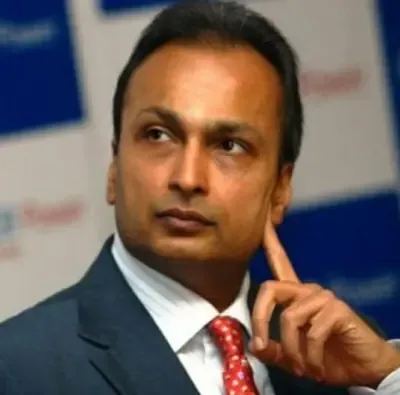
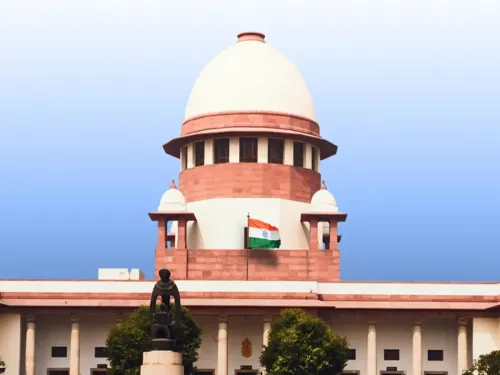
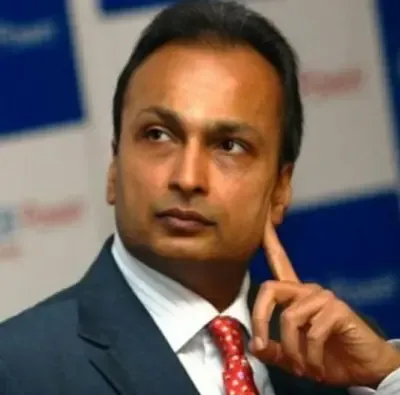
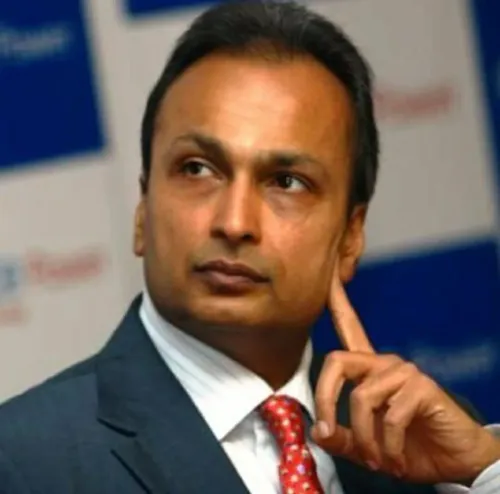
New Delhi, Feb 19 (NationPress) Prominent industrialist Anil D. Ambani has submitted a compliance affidavit to the Supreme Court, affirming his commitment not to leave the country without obtaining prior permission from the apex court. This submission is part of an ongoing investigation related to alleged extensive bank loan frauds concerning Reliance Communications Ltd (RCOM) and its associated entities.
The affidavit is associated with a pending public interest litigation (PIL) that seeks a court-monitored investigation into claims that over Rs 1.50 lakh crore of debt linked to the Ambani-led RCOM group has been written off, with allegations that funds were misappropriated through various shell companies.
This document formally reaffirms an earlier oral commitment made on February 4 by senior advocate Mukul Rohatgi, who represented Ambani, assuring the Supreme Court that he would not leave India without its permission.
“Through this affidavit, I formally reaffirm and document this statement as an undertaking before this Hon’ble Court,” Ambani noted.
Furthermore, he stated under oath, “I have not departed from India since July 2025, following the commencement of the current investigations, and have no plans or intention to travel abroad.”
Ambani added that should the need for foreign travel arise, he would seek prior leave and consent from the Supreme Court before proceeding.
Stressing that he poses no flight risk, the affidavit asserts: “Given the aforementioned behavior, commitments, and ongoing cooperation, it is clear that I am not a flight risk and have no intention to evade the law.”
Ambani also emphasized his full cooperation with investigative authorities. “I have been fully cooperating with the investigating agencies regarding the ongoing inquiries and continue to provide complete assistance,” he stated in the affidavit.
In relation to the investigation under the Prevention of Money Laundering Act, he mentioned that assessments under Section 50 of the PMLA are currently underway during the proceedings before the Supreme Court.
“I have been summoned by the Directorate of Enforcement to appear on 26.02.2025, and I commit to participating in the investigation on that date,” the affidavit stated, committing to fully cooperate with the authorities while “preventing any impression of evasion or selective fact presentation.”
Clarifying his position in the scrutinized group companies, Ambani asserted: “I respectfully clarify that my involvement in the relevant companies has been solely as a Non-Executive Director, and I was not engaged in daily management or operational decisions.”
In the affidavit dated February 18, he expressed: “This affidavit is being submitted to ensure clarity, completeness, and procedural transparency in the judicial record, intending that this Hon’ble Court is aware of the broader issues stemming from the same factual circumstances.”
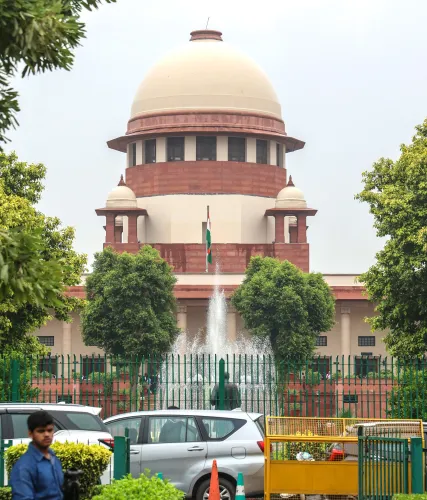
Ambani’s commitment is set against the backdrop of the Supreme Court’s February 4 directive, where a bench led by Chief Justice of India (CJI) Surya Kant raised concerns regarding an “unexplained delay” by the Enforcement Directorate (ED) and the Central Bureau of Investigation (CBI) in investigating alleged bank loan frauds involving public funds amounting to approximately Rs 40,000 crore.
The CJI Kant-led bench instructed the ED to form a Special Investigation Team (SIT) comprising senior officers and urged both central agencies to drive the investigation to a “logical conclusion” promptly, making it clear that no harsh or coercive measures would be enacted at that time.
During the hearing, concerns were raised by advocate Prashant Bhushan regarding the possibility of the key accused fleeing the country before the investigation concluded, leading to a documented undertaking not to travel abroad without the Supreme Court’s permission.
The Supreme Court also ordered the ED and the CBI to submit detailed status reports on their investigative progress and questioned why only a single FIR had been lodged despite multiple complaints from lenders, noting that each complaint represented a distinct transaction requiring independent scrutiny.
Point of View
Anil Ambani's affidavit to the Supreme Court is a pivotal moment in the ongoing investigation into financial misconduct. It highlights the complexities of corporate governance and the need for transparency in high-stakes financial dealings. The nation's focus should remain on accountability and ensuring that justice is served.
NationPress
19 Sept 2026
Frequently Asked Questions
What is the significance of Anil Ambani's affidavit?
Anil Ambani's affidavit signifies his commitment to cooperate with the ongoing investigation into alleged bank loan frauds linked to RCOM, assuring the Supreme Court that he will not leave India without permission.
What are the allegations against Reliance Communications?
The allegations involve large-scale bank loan frauds, with claims that over Rs 1.50 lakh crore of debt has been written off and that funds may have been diverted through shell companies.
What legal actions are being taken regarding this case?
The Supreme Court has ordered a court-monitored investigation and directed the ED and CBI to form a Special Investigation Team to expedite the inquiry into the allegations.
How has Anil Ambani responded to the investigations?
Anil Ambani has expressed his willingness to cooperate fully with the investigating authorities and has publicly stated he poses no flight risk.
What is the role of the Supreme Court in this matter?
The Supreme Court plays a crucial role in overseeing the investigation, ensuring transparency, and addressing concerns regarding potential flight risk and accountability.