Ekta Diwas 2026: Anti-Naxal forces parade at Ekta Nagar, tribal artists mark 'Naxal-free India'
Synopsis
Ekta Diwas 2026 took an unusual turn at Ekta Nagar — anti-Naxal commandos from nine states, credited with thousands of arrests and kills, shared the stage with tribal artists from the very communities caught in the crossfire. The NSD's 'Naxal-free India' production, tracing the movement from Naxalbari 1967 to today, placed cultural identity alongside the security account in what was a notably different ceremony from past editions.
Key Takeaways
Rashtriya Ekta Diwas parade held at Ekta Nagar on 31 October , marking Sardar Vallabhbhai Patel's 151st birth anniversary .
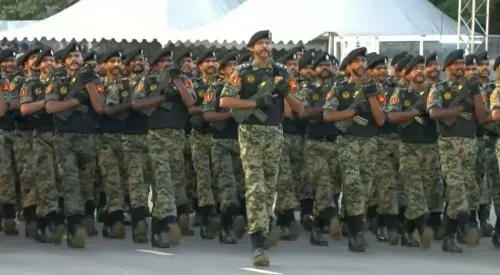
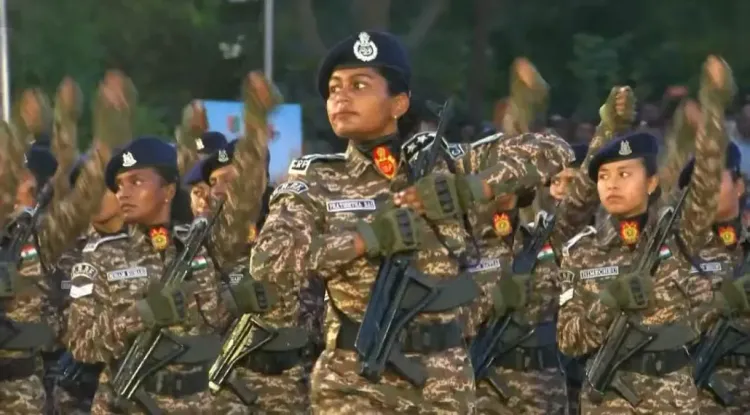
Anti-Naxal contingents from nine states and central forces including CRPF and Chhattisgarh Police marched in the parade.
PM Modi and officials paid tribute to 191 personnel killed in anti-Naxal operations.
Maharashtra's C-60 commandos grew from 7 to 1,100 personnel; credited with 372 kills, 861 surrenders, and 559 arrests.
Bihar's Special Task Force reportedly killed 167 Naxalites , arrested 7,191 , and secured 371 surrenders across 22 districts .
NSD's 'Naxal-free India' , directed by Chittaranjan Tripathi , featured tribal artists from 10 states , tracing the Naxal movement from Naxalbari, 1967 .
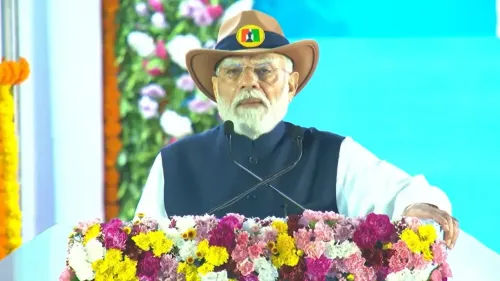
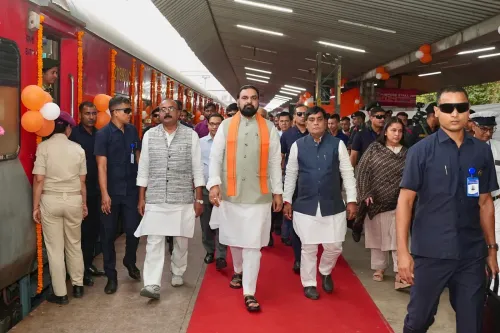
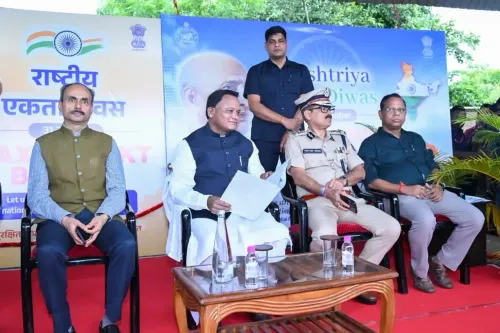
Anti-Naxal units from nine states and central forces assembled at Ekta Nagar on 31 October for the Rashtriya Ekta Diwas parade, showcasing operations against Left-wing extremism before a National School of Drama production — titled 'Naxal-free India' — brought tribal performers from conflict-affected regions to a national platform. The event marked the 151st birth anniversary of Sardar Vallabhbhai Patel.
Forces on Parade
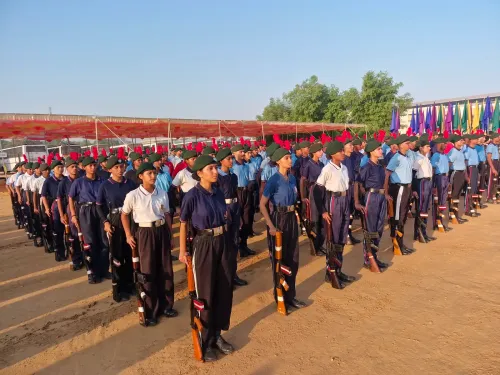
Specialised anti-Maoist contingents from Bihar, Jharkhand, Karnataka, Kerala, Madhya Pradesh, Odisha, Maharashtra, Telangana, and West Bengal marched alongside units of the Central Reserve Police Force (CRPF) and Chhattisgarh Police. As each contingent passed, an announcer outlined its operational footprint, key engagements, and the names of personnel who had fallen in the line of duty.
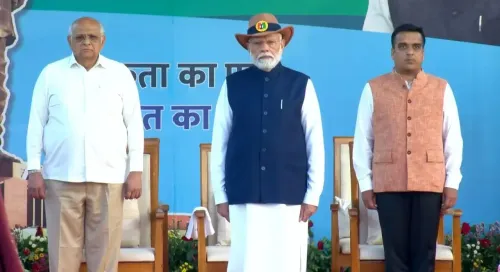
Prime Minister Narendra Modi and senior officials paid tribute to 191 personnel who died in anti-Naxal operations. A CRPF-led dog squad — comprising sniffer dogs trained to detect explosives and identify ambush threats — along with the National Cadet Corps, also featured in the parade.
Key Operational Numbers
Bihar Police's Special Task Force, operating across 22 districts including Gaya, Jamui, and Lakhisarai, was credited with killing 167 Naxalites, arresting 7,191, and securing the surrender of 371, according to the announcer. The Sashastra Seema Bal contingent, led by Assistant Commandant Vipin Sharma, was noted for killing 16 Naxalites, making 1,382 arrests, and recovering 536 kg of explosives.
Maharashtra's C-60 commandos — whose strength reportedly grew from seven personnel to 1,100 — were credited with killing 372 Naxalites, securing 861 surrenders, and making 559 arrests. Telangana's Greyhounds, a specialised force of 1,250 commandos, also participated, with the announcer highlighting their operations in the Karegutta hills. Other units on display included Jharkhand's Jaguar, Karnataka's Anti-Naxal Force, Kerala Police's Special Operations Group, Madhya Pradesh's Hawk Force, Odisha's Special Operations Group, and West Bengal Police's Counter Insurgency Force.
'Naxal-free India' — The Cultural Production
The security display gave way to a production by the National School of Drama (NSD), conceived, written, and directed by NSD director Chittaranjan Tripathi. Titled 'Naxal-free India', the presentation traced the movement's origins at Naxalbari in West Bengal in 1967 and the decades-long effort to restore peace in affected areas.
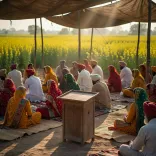
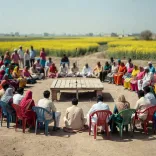
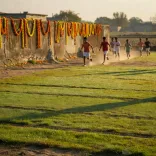
Performers included NSD repertory artists alongside tribal artists from Maharashtra, Madhya Pradesh, Telangana, Andhra Pradesh, Kerala, Jharkhand, West Bengal, Chhattisgarh, and Odisha. Several had, according to the announcer, travelled from their villages carrying their languages, songs, and folk traditions to perform on a national stage.
Significance and Context
The dual format — uniformed forces followed by cultural voices from the same affected communities — was notably distinct from previous Ekta Diwas ceremonies, which have traditionally centred on the security narrative alone. This is the first time the event has formally placed tribal cultural identity alongside the state's counter-insurgency account on a single stage. This comes amid a sustained push by the Centre to declare large swathes of the former Naxal-affected belt pacified, particularly in Chhattisgarh and parts of Telangana and Odisha.
Rashtriya Ekta Diwas — observed annually on 31 October, Patel's birth anniversary — has since its inception in 2014 served as a platform to underscore national integration. The inclusion of anti-extremism forces and affected-community artists this year ties that theme directly to the ongoing Naxal conflict, a campaign that has claimed the lives of thousands of security personnel and civilians over six decades.
Point of View
Arrests, surrenders — with a cultural production featuring tribal voices from the same regions is a deliberate framing shift. It signals that the Centre is no longer content to present its anti-Naxal campaign purely as a security victory; it now wants a narrative of community reclamation. Yet the juxtaposition also surfaces a tension: the communities whose folk traditions graced the national stage are the same ones whose displacement and marginalisation historically provided Naxalism its social base. Whether 'Naxal-free India' reflects lived reality in those villages, or remains an aspirational production, is a question the parade's format cannot answer.
NationPress
31 Oct 2026
Frequently Asked Questions
What is Rashtriya Ekta Diwas and why is it observed on 31 October?
Rashtriya Ekta Diwas, or National Unity Day, is observed every year on 31 October to mark the birth anniversary of Sardar Vallabhbhai Patel, India's first Deputy Prime Minister and the architect of national integration. It was instituted in 2014 and is used as a platform to commemorate national unity and security.
Which anti-Naxal forces participated in the Ekta Diwas 2026 parade at Ekta Nagar?
Specialised anti-Maoist units from Bihar, Jharkhand, Karnataka, Kerala, Madhya Pradesh, Odisha, Maharashtra, Telangana, and West Bengal took part, along with the CRPF and Chhattisgarh Police. Notable contingents included Bihar's Special Task Force, Maharashtra's C-60 commandos, Telangana's Greyhounds, and Jharkhand's Jaguar force.
What is the 'Naxal-free India' production presented at Ekta Diwas?
It is a National School of Drama production conceived, written, and directed by NSD director Chittaranjan Tripathi. The presentation traces the origins of the Naxal movement in Naxalbari, West Bengal, in 1967 and the subsequent efforts to restore peace, featuring both NSD repertory artists and tribal performers from ten conflict-affected states.
How many personnel killed in anti-Naxal operations were honoured at the event?
PM Modi and officials paid tribute to 191 personnel who died in anti-Naxal operations during the Ekta Diwas parade on 31 October at Ekta Nagar.
What were the key operational statistics shared at the Ekta Diwas parade?
Bihar's Special Task Force was credited with killing 167 Naxalites, arresting 7,191, and securing 371 surrenders. Maharashtra's C-60 commandos were credited with 372 kills, 861 surrenders, and 559 arrests. The Sashastra Seema Bal recovered 536 kg of explosives and made 1,382 arrests, among other figures shared by the announcer.