PM Modi at Ekta Diwas: No Naxal-affected district left in India by March 2026
Synopsis
Standing at the same podium where he made the pledge a year ago, PM Modi declared on Sardar Patel's 151st birth anniversary that India had achieved something it had chased for decades: a map with zero Naxal-affected districts. The claim — a drop from 126 affected districts in 2015 to none by March 2026 — marks a defining moment in India's internal security narrative, even as questions of rehabilitation and development delivery in former conflict zones remain open.
Key Takeaways
PM Modi declared on 31 October 2026 that no district in India remained Naxal-affected as of March 2026 .
At its peak in 2015 , Left-wing extremism spanned 126 districts across the country.
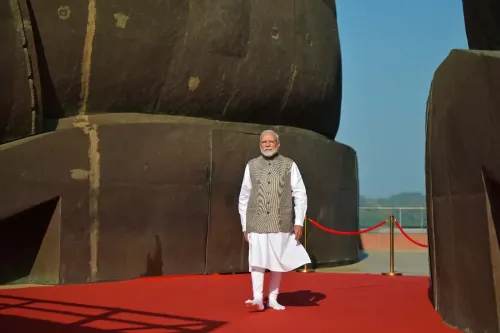
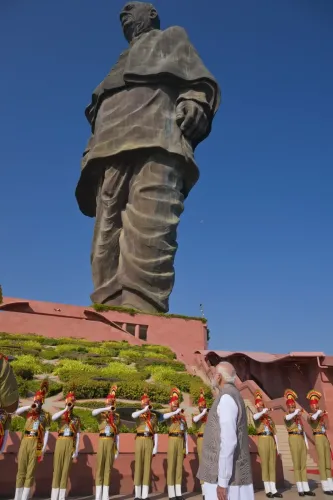
The announcement was made at Rashtriya Ekta Diwas in Ekta Nagar, Gujarat , on Sardar Vallabhbhai Patel's 151st birth anniversary .
Modi acknowledged security personnel killed in counter-Naxal operations and welcomed families from formerly affected regions to the event.
The government has linked the anti-Naxal campaign to a broader development push — roads, mobile connectivity, schools, and healthcare — in previously conflict-hit areas.
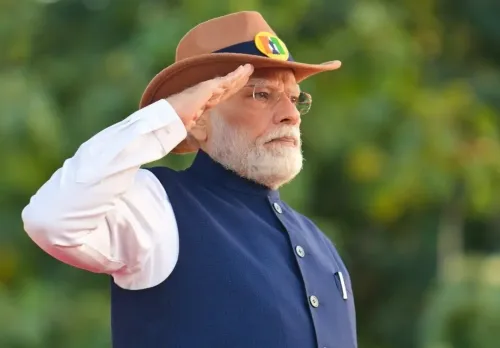
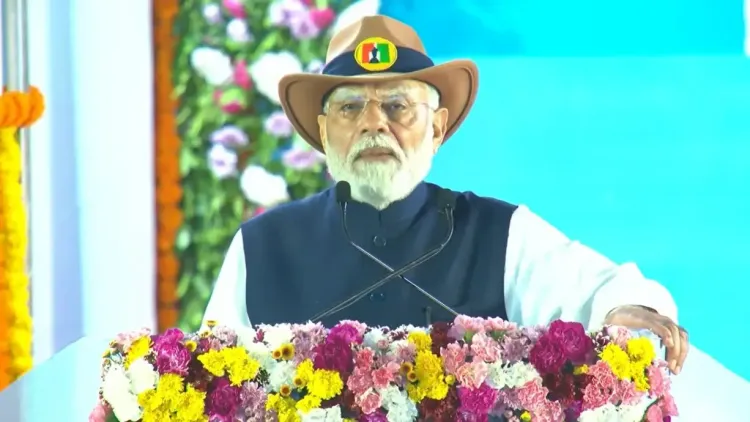
Prime Minister Narendra Modi on 31 October 2026 declared that India had fulfilled its pledge to eliminate Left-wing extremism, stating that no district in the country remained Naxal-affected by March 2026 and that the movement's backbone had been broken. Modi made the announcement at the Rashtriya Ekta Diwas gathering in Ekta Nagar, Gujarat, on the 151st birth anniversary of Sardar Vallabhbhai Patel.
The Declaration and What It Means
Addressing the National Unity Day celebrations, Modi recalled a pledge he had made at the same venue a year earlier — that India would not rest until it was completely free of Naxalism and Maoist violence. 'Today, when we are gathered here exactly one year later, that resolve of the country has been fulfilled. The backbone of Naxalism has been broken,' he said.
The Prime Minister cited a sharp reduction in the geographical spread of Left-wing extremism: in 2015, as many as 126 districts across the country were classified as affected. By March 2026, that number had reportedly fallen to zero, according to Modi's remarks.
Development Reaching Former Conflict Zones
Modi said districts that had endured decades of violence and bloodshed were now being integrated into the mainstream of development. He pointed to expanding road networks, growing mobile connectivity, and improved access to schools and healthcare facilities in these previously underserved regions.
'Young people who had earlier faced uncertainty are now getting new opportunities in education, employment and other fields,' he said. The government has framed its anti-Naxal campaign as inseparable from its broader development agenda for historically marginalised areas.
Tribute to Security Personnel
Modi paid tribute to security forces personnel who had lost their lives in counter-Naxal operations. He welcomed families from formerly Naxal-affected regions who had been specially invited to attend this year's National Unity Day event at Ekta Nagar.
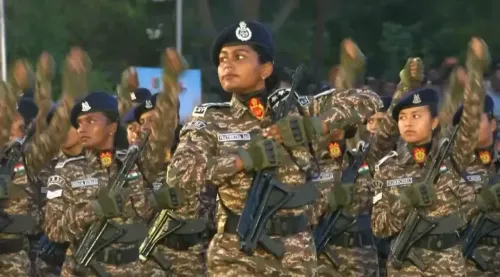
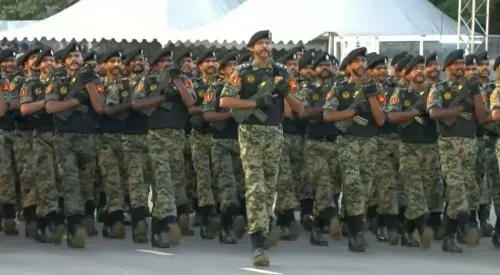
The parade at the venue featured anti-Naxal units from several states along with central forces. Event commentary highlighted their deployments, operations, and the personnel killed in the line of duty — underscoring the human cost of the decades-long campaign.
Broader Security and Governance Narrative
The Prime Minister said, 'India is now more secure and more determined. The increased confidence among citizens is linked to the country's achievements and the sensitivity of the government and administrative system.'
This comes amid the government's sustained push to present internal security gains alongside economic development milestones. Notably, the Rashtriya Ekta Diwas — observed annually on 31 October to honour Patel's legacy of national integration — has increasingly served as a platform for the Centre to highlight achievements in areas of territorial and internal cohesion.
What Comes Next
With the government claiming a Naxal-free map for the first time in decades, attention will now shift to whether the development infrastructure pledged for former conflict zones is delivered at scale — and whether demobilised cadres and affected communities receive the rehabilitation support required to make the peace durable.
Point of View
But it rests on a metric — district classification — that has always been contested. Removing a district from the affected list reflects improved security, not necessarily resolved grievances. The harder test begins now: whether the roads, schools, and livelihoods Modi described actually materialise in areas that have been marginalised for generations. The government's framing conflates military success with developmental outcome, and mainstream coverage has largely followed that framing without interrogating the distinction. Rehabilitation of former cadres and genuine community reconciliation — the components that determine whether peace holds — remain unaddressed in the official narrative.
NationPress
31 Oct 2026
Frequently Asked Questions
What did PM Modi announce at Rashtriya Ekta Diwas 2026?
PM Modi declared on 31 October 2026 that no district in India remained affected by Left-wing extremism as of March 2026, calling it the fulfilment of a pledge he had made at the same venue a year earlier. He said the backbone of Naxalism had been broken.
How many districts were affected by Naxalism before, and when did the number reach zero?
At its peak in 2015, 126 districts across India were classified as Naxal-affected. According to Modi's remarks at Ekta Diwas, the count fell to zero by March 2026, representing a decades-long effort by security forces and the government.
Where was Rashtriya Ekta Diwas 2026 held, and why is the date significant?
The event was held at Ekta Nagar in Gujarat on 31 October 2026, the 151st birth anniversary of Sardar Vallabhbhai Patel. National Unity Day is observed every year on this date to honour Patel's role in integrating India.
What development measures did Modi mention for formerly Naxal-affected areas?
Modi cited expanding road networks, increased mobile connectivity, and improved access to schools and healthcare in regions that were previously conflict zones. He said young people in these areas were now getting opportunities in education and employment.
Why did the Ekta Nagar parade feature anti-Naxal units?
The parade at Ekta Nagar included anti-Naxal units from multiple states and central forces, with commentary highlighting their deployments, operations, and personnel killed in the line of duty — a tribute to the security effort that the government says achieved the Naxal-free milestone.