CM Dhami: Right to Protest Ends Where Public Suffers
Synopsis
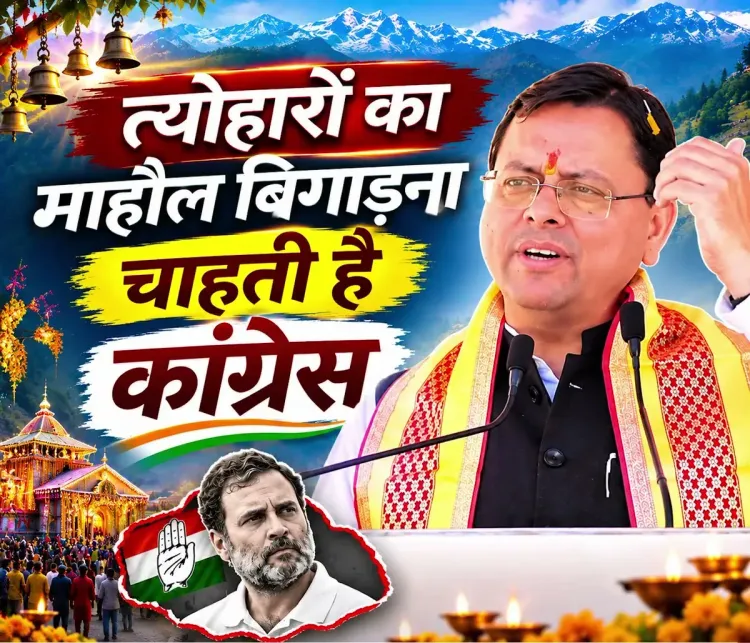
Uttarakhand Chief Minister Pushkar Singh Dhami drew a firm line on October 31, affirming the right to protest while declaring that no one has the right to disrupt public convenience, festival celebrations, or traders' livelihoods in protest's name.
Key Takeaways
Uttarakhand CM Pushkar Singh Dhami posted on X on October 31, 2026 distinguishing lawful protest from disruptive agitation.
He stated everyone has the right to protest, but no one has the right to harm public convenience, festival joy, or traders' livelihoods .
The statement arrived during India's peak festival season, when sustained protests carry heightened economic costs for small businesses.
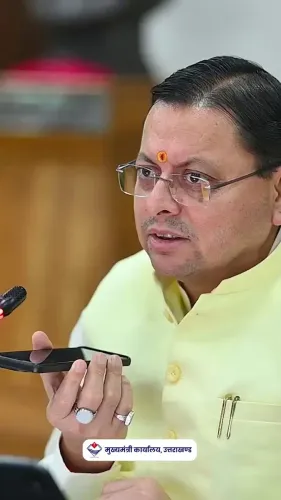
The post included a video , extending its reach beyond text-only audiences.
No specific agitation or protest trigger was named in the post; follow-up administrative action will signal whether this is a policy move or a political signal.
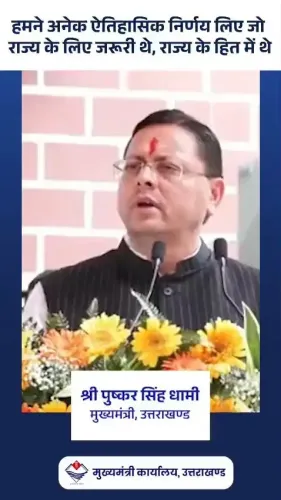
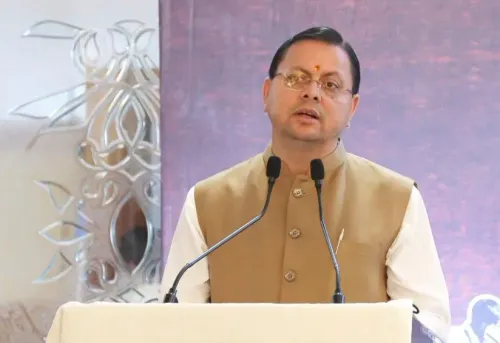
Every democratic society draws a line — and on Saturday, October 31, 2026, Uttarakhand Chief Minister Pushkar Singh Dhami drew his, publicly and sharply. In a pointed post on X, Dhami defended the constitutional right to protest while firing a clear warning at those who weaponise agitation to disrupt festival celebrations, throttle traders' livelihoods, and inconvenience ordinary citizens.
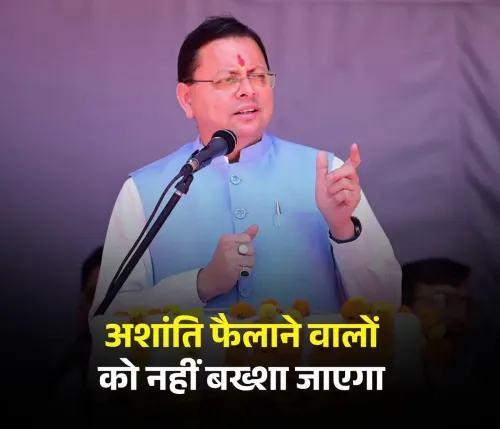
Dhami's post, written in Hindi, states directly: 'Virodh ka adhikar sabhi ko hai, lekin iske naam par aam janta ki suvidhaon, tyoharon ki khushiyon aur vyapariyon ki aajivika se khilwad karne ka adhikar kisi ko nahin hai' — ('Everyone has the right to protest, but no one has the right to, in the name of protest, tamper with the conveniences of the general public, the joy of festivals, and the livelihoods of traders.')
A Two-Part Message: Rights Recognised, Disruption Rejected
The statement is structurally deliberate. Dhami opens by acknowledging protest as a legitimate democratic tool — a rhetorical move that insulates the message from charges of authoritarianism — before pivoting to the hard limit. Three specific groups anchor the argument: aam janta (the general public), festival-goers, and traders. The framing is economic and social, not purely political.
The timing is significant. The post arrived on Halloween evening, deep inside the festival season that in northern India runs from Navratri through Diwali and beyond — a period when street commerce surges and any sustained disruption of markets or roads carries compounded costs for small businesses.
Dhami's Law-and-Order Signature
Since taking charge as Chief Minister in 2021, Dhami has consistently positioned himself as a law-and-order leader, frequently issuing statements that distinguish constitutionally protected activity from conduct that tips into public nuisance or economic harm. Indian state governments across the political spectrum periodically invoke this distinction — but the specific targeting of traders and festival disruption gives this iteration a notably ground-level, commerce-first texture.
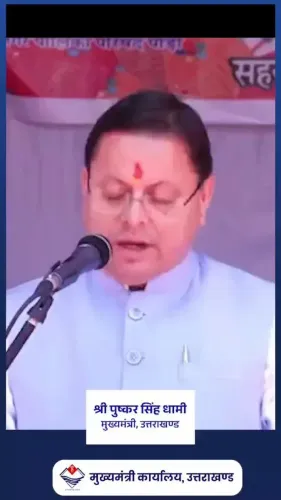
The post also arrived with a video attachment, suggesting the message is pitched beyond a text-only audience — likely aimed at a broader constituent base that consumes political messaging in visual formats. No official government order or specific agitation has been cited in the post itself.
The Broader Pattern Across Indian States
Dhami's framing follows a well-worn template that Indian state executives across parties have used during periods of localised agitation — particularly when protests coincide with high-footfall festival periods or block arterial trade routes. The political calculus is straightforward: sympathy for protesters erodes quickly when shops stay shuttered and families cannot reach temples or markets. By naming traders and festival participants explicitly, Dhami is speaking to constituencies that form a core support base for the BJP in Uttarakhand.
What follows the statement matters as much as the statement itself. Whether the Uttarakhand government backs the words with specific administrative instructions — to district magistrates, police, or local bodies — will determine whether this is a political signal or a policy move.
Point of View
Two constituencies central to the BJP's Uttarakhand base. The absence of a named target agitation keeps the message broad and durable, making it usable well beyond any single local dispute. It slots into a wider BJP governance narrative that frames the party as the protector of 'common people' against the collateral damage of opposition-aligned protests. The real test is whether administrative machinery follows the rhetoric with measurable action on the ground.
NationPress
31 Oct 2026
Frequently Asked Questions
What did Uttarakhand CM Dhami say about protests on October 31, 2026?
Dhami affirmed that while everyone has the right to protest, no one has the right to disrupt public convenience, the joy of festivals, or the livelihoods of traders in the name of protest.
Was Dhami referring to a specific protest in Uttarakhand?
The post did not name a specific agitation or incident. The statement was framed broadly, and no specific trigger has been officially confirmed.
Is restricting disruptive protests legal in India?
Yes. The Indian constitution guarantees the right to peaceful protest, but courts and governments have consistently held that this right does not extend to causing public nuisance, blocking roads, or disrupting trade and essential services.
Why did Dhami specifically mention traders and festivals?
The post was made during India's peak festival season. Sustained disruptions during this period carry compounded economic costs for small traders and affect large numbers of ordinary citizens, giving the argument broad public resonance.
What is Pushkar Singh Dhami known for as Uttarakhand Chief Minister?
Dhami, in office since 2021, is known for a strong law-and-order positioning and statements defending public order, alongside state development and welfare policy initiatives.