CM Bhupendra Patel hails India free of Naxalism on Unity Day
Synopsis
On Rashtriya Ekta Diwas 2026, Gujarat CM Bhupendra Patel declared India free from Naxalism, crediting PM Modi's security-development strategy, and paid tribute to martyred soldiers and conflict-affected families as a new development dawn begins in formerly LWE-hit regions.
Key Takeaways
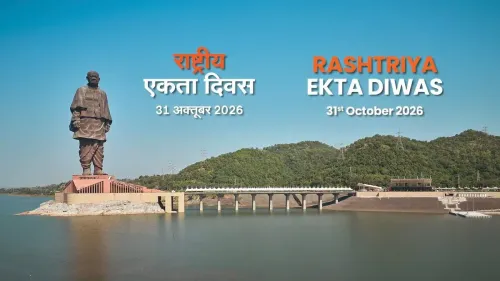
Gujarat CM Bhupendra Patel declared India free from Naxalism on Rashtriya Ekta Diwas, 31 October 2026 .
He saluted families affected by Naxal violence and paid tribute to soldiers martyred in anti-LWE operations.
The post tags PM Narendra Modi , crediting the Centre's combined security-and-development approach.
Since 2015 , the Ministry of Home Affairs has run a multi-pronged LWE strategy spanning Chhattisgarh , Jharkhand , and Odisha .
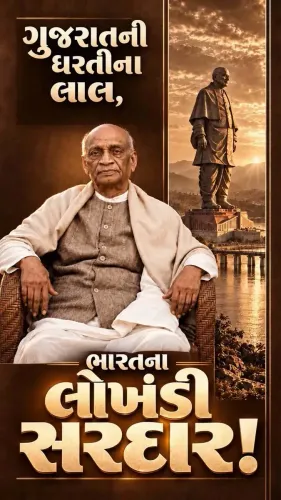
The declaration comes on the birth anniversary of Sardar Vallabhbhai Patel , framing Naxal eradication as an act of national integration.
The next test is whether development infrastructure reaches formerly affected districts to sustain the peace.
On Rashtriya Ekta Diwas, 31 October 2026, Gujarat Chief Minister Bhupendra Patel declared a landmark moment for the Indian state: that the country has, within the span of a year, achieved freedom from Left Wing Extremism — a shadow that darkened entire regions for decades. He saluted the families who bore the violence and paid tribute to the soldiers who gave their lives to end it.
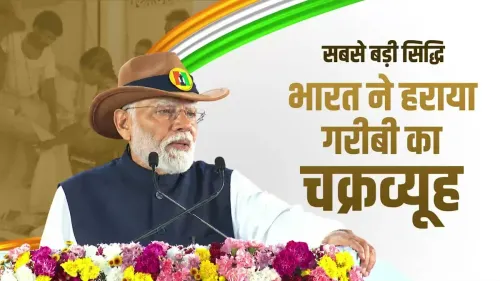
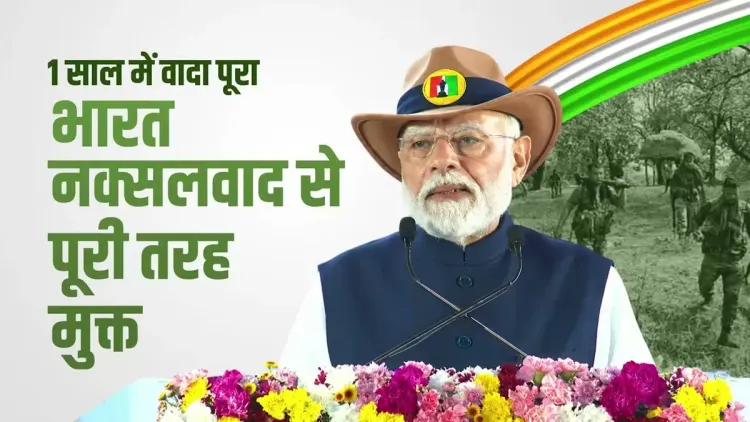
Writing on X, CM Patel posted: 'एक साल में संकल्प सिद्धि...नक्सलवाद से मुक्त हुआ भारत' — 'Resolution fulfilled in one year...India freed from Naxalism.' He described areas that endured decades of violence as now witnessing 'a new dawn of development,' and extended greetings to Naxal-affected families while offering 'countless salutes' to the martyred soldiers of the security forces.
What Rashtriya Ekta Diwas means for this moment
Rashtriya Ekta Diwas — National Unity Day — is observed every 31 October to mark the birth anniversary of Sardar Vallabhbhai Patel, the Iron Man of India who unified the nation's princely states after Independence. The choice of this date to frame the Naxal-free declaration is deliberate: it frames the eradication of Left Wing Extremism as the completion of a national integration project that Sardar Patel began.
CM Patel's post tags Prime Minister Narendra Modi directly, crediting the Centre's political will. Since 2015, the Ministry of Home Affairs has pursued a multi-pronged strategy — sustained security operations combined with infrastructure and development programmes — in LWE-affected districts across Chhattisgarh, Jharkhand, and Odisha. The number of districts classified as Left Wing Extremism-affected has been reported as declining steadily since the mid-2010s.
Decades of violence, a new dawn for affected communities
The human cost of the Naxal conflict stretched across generations. Families in the dense forest belts of central and eastern India lived under the twin threats of militant coercion and counter-insurgency operations. Roads, schools, and hospitals were either absent or deliberately targeted. The communities CM Patel salutes are those who survived that long night.
Security forces — from the CRPF to state police — paid a heavy price in personnel over the decades of engagement. Patel's tribute to 'amar balidani jawan' — the immortal martyred soldiers — anchors the political milestone in a very human sacrifice.
What comes next for formerly LWE-affected districts
A security vacuum declared filled is only the first chapter. The test now is whether development programmes — roads, connectivity, banking access, health infrastructure — can reach communities in Chhattisgarh, Jharkhand, and Odisha fast enough to make the peace durable. Ministry of Home Affairs annual internal security assessments and the rollout of central schemes in these districts will be the real scorecards going forward.
On the day India celebrates the man who forged its unity, the BJP's framing is clear: finishing Naxalism is not just a security achievement — it is the final act of national integration. Whether the development follows the security gains will determine whether that framing holds.
Point of View
Reinforcing the party's 'strong state' narrative ahead of any electoral cycle. The tribute to martyred soldiers and affected families adds emotional depth that shields the claim from being read as purely triumphalist. The durability of this milestone, however, will depend on whether development programmes fill the governance vacuum in formerly LWE-held territories — a test that plays out over years, not headlines.
NationPress
31 Oct 2026
Frequently Asked Questions
What is Rashtriya Ekta Diwas and why is it observed on 31 October?
Rashtriya Ekta Diwas, or National Unity Day, is observed on 31 October every year to mark the birth anniversary of Sardar Vallabhbhai Patel , who unified India's princely states after Independence. It promotes national integration and solidarity.
What did Gujarat CM Bhupendra Patel say about Naxalism on Rashtriya Ekta Diwas 2026?
CM Patel declared that India has been freed from Naxalism, describing it as a 'resolution fulfilled in one year.' He saluted Naxal-affected families and paid tribute to soldiers martyred in anti-LWE operations, tagging PM Modi in his post.
Which states were most affected by Left Wing Extremism in India?
The states most affected by Left Wing Extremism historically include Chhattisgarh , Jharkhand , and Odisha , where Naxal groups operated in dense forest regions. The central government has run development and security programmes in these districts since at least 2015.
What is the government's strategy to eliminate Naxalism in India?
Since 2015 , the Ministry of Home Affairs has implemented a multi-pronged strategy combining sustained security operations with infrastructure and development programmes — roads, schools, banking access — in LWE-affected districts to address both the security and socio-economic roots of the insurgency.
Who are the 'martyred soldiers' CM Patel referred to in his Naxal-free post?
CM Patel's tribute to 'amar balidani jawan' refers to personnel from central paramilitary forces such as the CRPF and state police units who lost their lives during decades of counter-Naxal operations in central and eastern India.