CM Bhupendra Patel Hails Rashtriya Ekta Diwas 2026 at Ekta Nagar
Synopsis
Gujarat CM Bhupendra Patel celebrated Rashtriya Ekta Diwas 2026 at Ekta Nagar on 31 October, highlighting the Ekta Parade, a 'Naxal Mukt Bharat' showcase, and Vande Mataram-themed cultural performances under PM Modi's leadership on Sardar Patel's birth anniversary.
Key Takeaways
Rashtriya Ekta Diwas 2026 was observed on 31 October at Ekta Nagar , Narmada district, Gujarat, on Sardar Vallabhbhai Patel's birth anniversary.
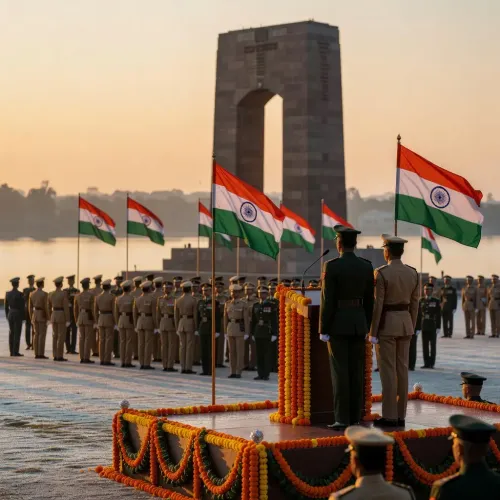
The event featured an Ekta Parade , cultural performances themed on Vande Mataram , and a presentation on 'Naxal Mukt Bharat' .
Prime Minister Narendra Modi led the observance; Gujarat CM Bhupendra Patel described it as a 'grand festival of oneness.' Rashtriya Ekta Diwas was established in 2014 to honour Sardar Patel's role in integrating over 560 princely states into India.
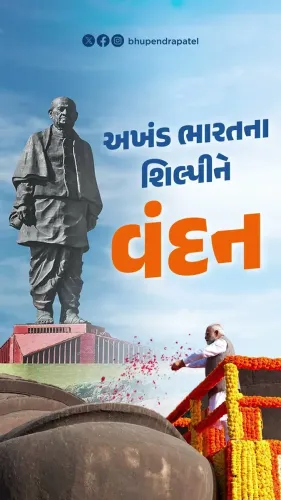
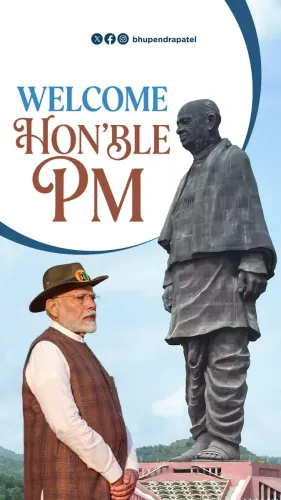
The Statue of Unity , inaugurated in October 2018 at Ekta Nagar, anchors the annual national unity commemoration at the site.
The 'Naxal Mukt Bharat' segment linked internal-security progress on Left Wing Extremism directly to Sardar Patel's legacy of national integration.
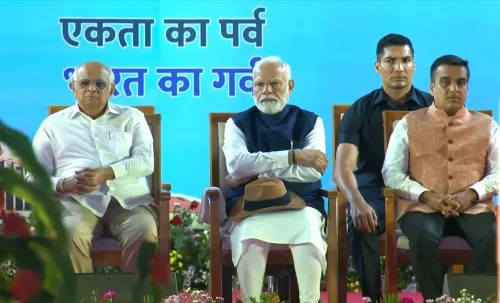
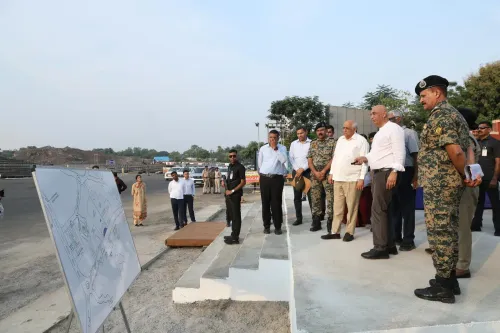
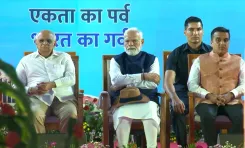
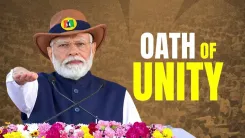
On the birth anniversary of Sardar Vallabhbhai Patel, the land that bears his tallest monument became the centrepiece of India's national unity celebration — and Gujarat Chief Minister Bhupendra Patel was there to mark every moment of it. Ekta Nagar in Gujarat's Narmada district hosted Rashtriya Ekta Diwas 2026 on Saturday, 31 October, with the event drawing together an Ekta Parade, cultural performances anchored in Vande Mataram, and a dedicated presentation on 'Naxal Mukt Bharat' — a pointed convergence of patriotic pageantry and hard-edged internal-security messaging.
Sardar Patel's soil, PM Modi's vision
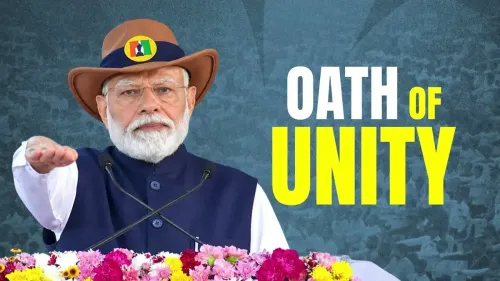
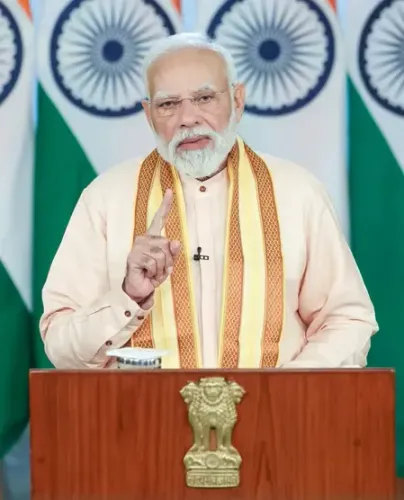
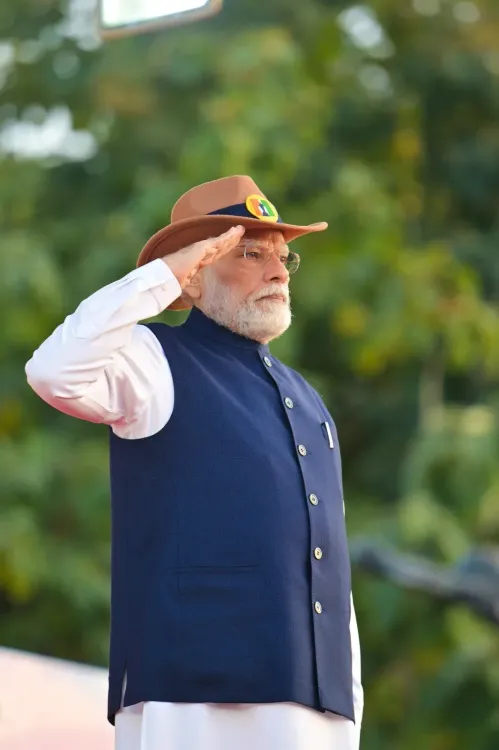
Prime Minister Narendra Modi led the observance, and CM Patel framed the day explicitly as a product of the Prime Minister's leadership. Calling it 'a grand festival of oneness,' Patel described Gujarat's role as host with evident pride — the state, after all, is the birthplace of Sardar Patel and home to the Statue of Unity, the 182-metre iron colossus inaugurated at Ekta Nagar in October 2018 that has since anchored the annual commemoration.
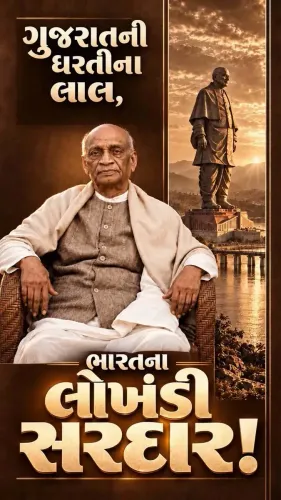
The site's symbolism is deliberate and layered. Sardar Vallabhbhai Patel, India's first Deputy Prime Minister and Home Minister, is credited with negotiating the accession of more than 560 princely states into the Indian Union after 1947 — an act of integration that the government frames as the direct precedent for contemporary unity drives. Rashtriya Ekta Diwas itself was established in 2014 to institutionalise that legacy as a living annual observance, not merely a calendar date.
'Naxal Mukt Bharat' takes the stage alongside cultural performances
The inclusion of the 'Naxal Mukt Bharat' presentation gives this year's programme a sharper policy edge than a ceremonial tribute alone would carry. The government's campaign against Left Wing Extremism in central and eastern India — combining security operations, infrastructure development, and rehabilitation — has been a consistent priority, and placing a showcase of that effort at Sardar Patel's memorial ties the counter-insurgency narrative directly to his legacy of territorial and internal consolidation.
Cultural performances themed on Vande Mataram bookended the security messaging, giving the day its dual register: pride in India's pluralism expressed through music and dance, and a firm assertion of the state's reach into its most contested internal frontiers.
Gujarat's pride in playing host
For the BJP government in Gujarat, hosting the national event on Patel's home soil carries political as well as symbolic weight. CM Patel's post — 'One nation, many colours, one spirit' — captured the day's intended mood in a single line. With the Statue of Unity drawing millions of visitors annually and Ekta Nagar developing into a flagship tourism and memorial destination, the state has invested heavily in making this site synonymous with the Rashtriya Ekta Diwas brand.
The Ekta Parade, the cultural showcase, and the security-focused presentation together form a template that is likely to recur and expand — next year's edition will be watched for whether any new districts in Naxal-affected regions are formally declared free of extremism, a milestone the programme has used in past years to mark measurable progress.
On the anniversary of a man who stitched a nation together against impossible odds, Ekta Nagar reminded India that the work of unity — symbolic and structural — is never quite finished.
Point of View
Lending the security campaign a constitutional and emotional legitimacy that pure policy announcements cannot generate. For the BJP, Ekta Nagar is both pilgrimage site and policy platform, a venue where symbolic capital earned from Patel's memory can be reinvested into contemporary governance priorities. CM Patel's enthusiastic hosting also reinforces Gujarat's status as the ideological heartland of the ruling party's national narrative. As the 'Naxal Mukt' campaign progresses, each Rashtriya Ekta Diwas will likely be used to mark — and publicise — territorial gains against Left Wing Extremism.
NationPress
31 Oct 2026
Frequently Asked Questions
What is Rashtriya Ekta Diwas and why is it celebrated on 31 October?
Rashtriya Ekta Diwas, or National Unity Day, is observed every year on 31 October — the birth anniversary of Sardar Vallabhbhai Patel , India's first Deputy Prime Minister. The Union Government established it in 2014 to honour Patel's role in integrating over 560 princely states into independent India and to promote national unity.
Where is Ekta Nagar and why is it the main venue for Rashtriya Ekta Diwas?
Ekta Nagar is located in the Narmada district of Gujarat and is home to the Statue of Unity , the world's tallest statue at 182 metres , dedicated to Sardar Patel. Inaugurated in October 2018 , the site has become the primary national venue for Rashtriya Ekta Diwas commemorations.
What is 'Naxal Mukt Bharat' and what was its role at the 2026 event?
'Naxal Mukt Bharat' is a government initiative to eliminate Left Wing Extremism through security operations, development programmes, and rehabilitation. At the 2026 Rashtriya Ekta Diwas event at Ekta Nagar, a dedicated presentation on the campaign was included alongside the cultural programme, connecting internal-security progress to Sardar Patel's legacy of national integration.
What did Gujarat CM Bhupendra Patel say about Rashtriya Ekta Diwas 2026?
CM Bhupendra Patel described the event as 'a grand festival of oneness' and expressed pride in Gujarat hosting the celebration 'on the land of Sardar Saheb.' He credited Prime Minister Narendra Modi's leadership for the scale and spirit of the observance.
What events took place at Ekta Nagar on Rashtriya Ekta Diwas 2026?
The programme at Ekta Nagar on 31 October 2026 included the Ekta Parade , a presentation on 'Naxal Mukt Bharat' , and vibrant cultural performances themed on Vande Mataram , combining patriotic pageantry with internal-security messaging.