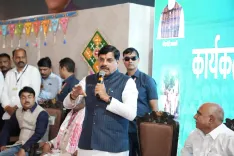
CM Dhami: Uttarakhand ranks 2nd in MNRE's RE-SAF renewable energy index
Synopsis
Uttarakhand has secured second place among special category states in MNRE's Renewable Energy State Assessment Framework (RE-SAF), CM Pushkar Singh Dhami announced on 31 October 2026, linking the achievement to India's 500 GW non-fossil fuel target by 2030.
Key Takeaways
Uttarakhand ranked second among special category states in MNRE's RE-SAF renewable energy assessment framework.
RE-SAF is a Ministry of New and Renewable Energy tool that benchmarks state-level renewable energy performance, with a dedicated track for Himalayan and northeastern states.
India targets 500 GW of non-fossil fuel capacity by 2030 , a commitment made by PM Modi at COP26 in Glasgow in 2021 under the Panchamrit strategy.
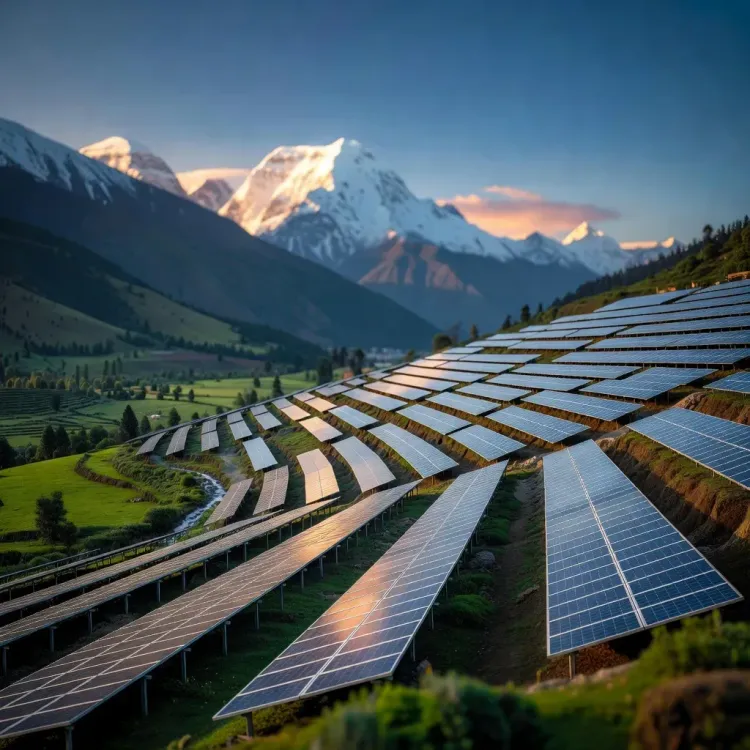
Uttarakhand holds significant hydro and solar potential that national policy encourages it to mobilise without compromising ecological sensitivity.
CM Dhami has positioned clean energy and environmental protection as complementary pillars of Uttarakhand's development agenda since 2021 .
The RE-SAF result provides independent, central-government validation of Uttarakhand's renewable energy progress under the Dhami administration.
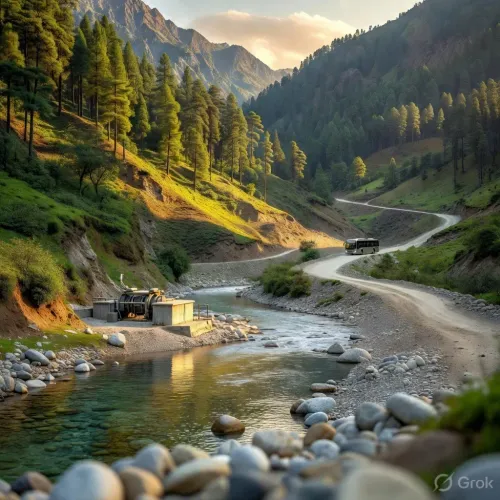
A Himalayan state with rivers cascading through its valleys and sun-drenched ridgelines has just earned a national stamp of approval for clean energy ambition. Uttarakhand Chief Minister Pushkar Singh Dhami announced on Saturday, 31 October 2026 that Uttarakhand has secured second place among special category states in the Renewable Energy State Assessment Framework (RE-SAF), a ranking system developed by the Ministry of New and Renewable Energy (MNRE) to evaluate state-level performance on clean power targets.
What RE-SAF measures — and why second place matters for a mountain state
RE-SAF is not a ceremonial index. Designed by MNRE to create structured accountability, it benchmarks states on renewable energy achievements across planning, implementation, and outcomes. Crucially, it operates a special category track for Himalayan and northeastern states — recognising that geography, ecology, and infrastructure constraints make their renewable journey fundamentally different from larger plains states.
For Uttarakhand, landing at second position in that special category signals that the state's leveraging of its hydro and solar endowments is being recognised at the national level. CM Dhami described the recognition as an inspiration 'स्वच्छ ऊर्जा के क्षेत्र में और अधिक प्रतिबद्धता एवं गति के साथ कार्य करने की' — 'to work with even greater commitment and speed in the field of clean energy'.
India's 500 GW clock — and Uttarakhand's place in it
The backdrop to this ranking is India's pledge at COP26 in Glasgow in 2021 under Prime Minister Narendra Modi's Panchamrit strategy: 500 gigawatts of non-fossil fuel electricity capacity by 2030. That is one of the most ambitious renewable targets any major economy has put on the table.
Special category states like Uttarakhand are not peripheral to that goal — they are integral. The state sits atop significant untapped hydro and solar potential, and national policy has consistently encouraged Himalayan states to mobilise those resources while protecting ecological sensitivity. CM Dhami framed the state's approach precisely in those terms, stressing that 'the pace of development must accelerate even as Devbhoomi's natural beauty and environment remain protected.'
Dhami government's renewable push in Uttarakhand
Since taking office in 2021, CM Dhami has positioned clean energy as a pillar of Uttarakhand's development narrative — one that does not trade ecology for growth, but treats the two as compatible. The RE-SAF second-place finish gives that positioning independent, third-party validation from the central government's own assessment machinery.
The next question the ranking naturally raises: which state claimed first place in the special category, and how quickly can Uttarakhand close that gap? The state government, the MNRE assessment cycle, and the 2030 deadline together set the competitive clock ticking.
Point of View
Giving CM Dhami a useful political and administrative data point ahead of future state elections. The special category framework itself reflects a broader federal bargain: Himalayan states get differentiated metrics that account for terrain and ecology, in exchange for actively mobilising hydro and solar assets. The underlying tension — accelerating renewable rollout without damaging the sensitive ecosystems that are Uttarakhand's core identity — remains the real policy tightrope. How Dhami's government manages that balance in the next tranche of projects will determine whether the second-place ranking converts into durable energy and ecological outcomes.
NationPress
31 Oct 2026
Frequently Asked Questions
What is RE-SAF and who develops it?
RE-SAF stands for Renewable Energy State Assessment Framework, developed by India's Ministry of New and Renewable Energy (MNRE) to rank states on their renewable energy performance. It includes a special category track for Himalayan and northeastern states.
What rank did Uttarakhand get in RE-SAF 2026?
Uttarakhand secured second place among special category states in the MNRE RE-SAF assessment, as announced by Chief Minister Pushkar Singh Dhami on 31 October 2026.
What is India's 500 GW renewable energy target?
India has pledged to achieve 500 gigawatts of non-fossil fuel electricity capacity by 2030, a commitment Prime Minister Narendra Modi announced at the COP26 climate summit in Glasgow in 2021 as part of the Panchamrit strategy.
Why is Uttarakhand classified as a special category state in energy rankings?
Uttarakhand is classified as a special category state because its Himalayan geography, ecological sensitivity, and infrastructure constraints differ fundamentally from larger plains states, requiring differentiated benchmarks in national assessments like RE-SAF.
What renewable energy sources does Uttarakhand focus on?
Uttarakhand has significant hydro and solar energy potential. National policy encourages the state to leverage these resources while protecting the ecological sensitivity of its Himalayan environment.