CM Majhi Restores Odisha Student Union Polls After 8-Year Gap
Synopsis
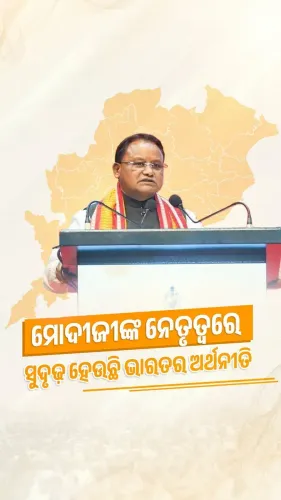
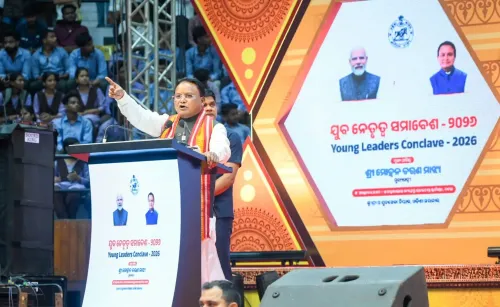
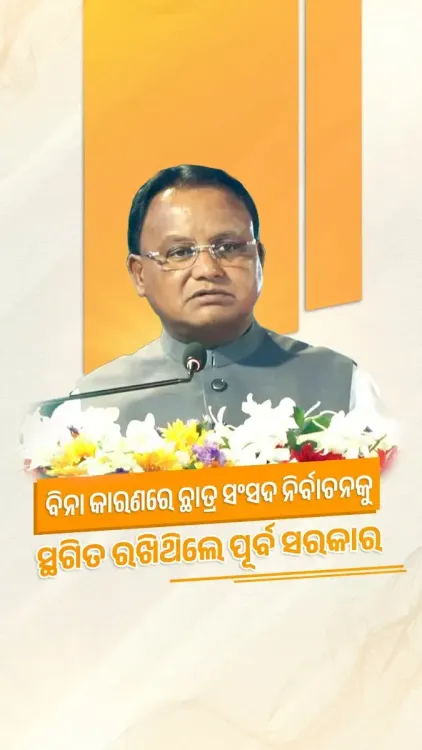
Odisha Chief Minister Mohan Charan Majhi declared student union elections successfully conducted across the state on October 31, 2026 — ending an eight-year hiatus under the previous BJD government and fulfilling a BJP commitment to restore campus democratic rights.
Key Takeaways
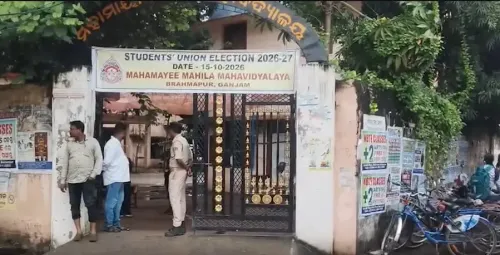
Student union elections in Odisha were held for the first time in eight years on October 31, 2026 .
CM Mohan Charan Majhi declared the polls concluded peacefully and in an orderly manner.
Elections had been suspended during the 24-year BJD rule under former CM Naveen Patnaik .
The BJP had framed restoration of student elections as a democratic commitment during its 2024 assembly campaign .
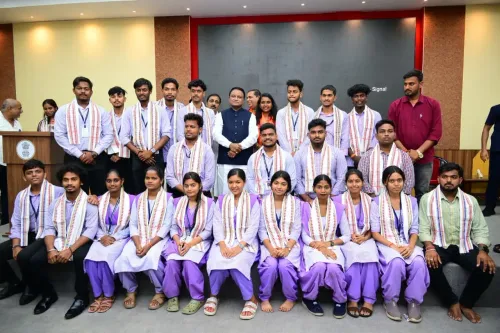
Elected student representatives now hold formal platforms to engage with college administrations across the state.
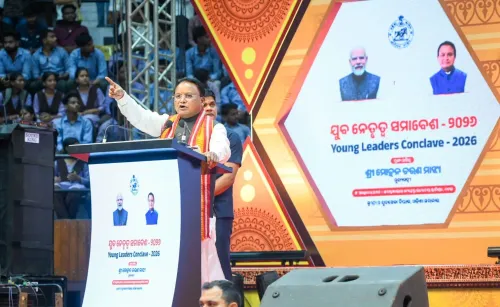
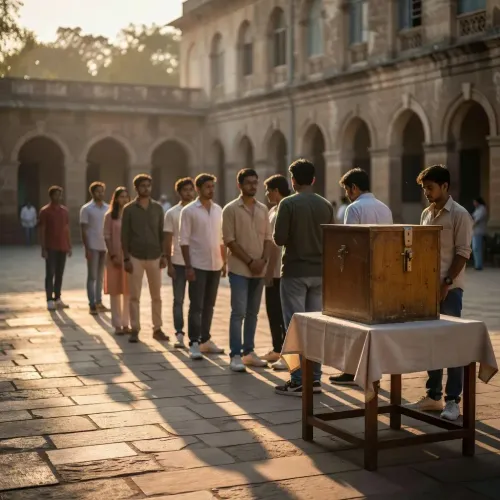
After an eight-year silence on campuses across Odisha, ballots were cast, voices were counted, and a generation of students finally got to practise democracy where they study. Odisha Chief Minister Mohan Charan Majhi announced on Saturday, October 31, 2026 that student union elections across the state had concluded successfully — peacefully and in an orderly manner.
Eight years without a student vote — and what that silence meant
Student union elections in Odisha had remained suspended for nearly a decade under the previous government led by Naveen Patnaik, whose Biju Janata Dal (BJD) ruled the state for 24 years until the BJP's decisive victory in 2024. The reasons for the suspension were never formally codified, with administrative and security considerations cited at various points. For students who enrolled and graduated during that stretch, representative bodies on campus simply did not exist.
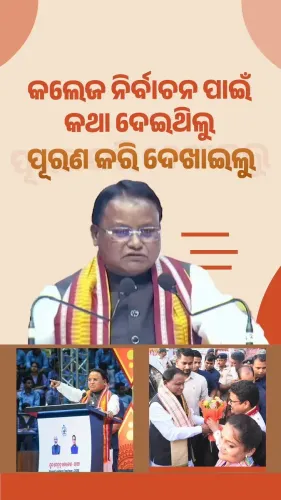
CM Majhi framed the resumption in terms of democratic rights and leadership development. In both Odia and English, he wrote: 'ଛାତ୍ରଛାତ୍ରୀଙ୍କ ଗଣତାନ୍ତ୍ରିକ ଅଧିକାର ଓ ନେତୃତ୍ୱ ବିକାଶ ପାଇଁ ଆମ ସରକାରଙ୍କ ପ୍ରତିଶ୍ରୁତି ଆଜି ପୂରଣ ହୋଇଛି' — 'This fulfils our government's commitment to upholding students' democratic rights and encouraging youth leadership.'
A BJP promise converted into campus polling booths
The restoration of student union elections had been part of the broader democratic-revival narrative the BJP carried into its 2024 Odisha assembly campaign. Conducting the polls peacefully — across multiple colleges and universities simultaneously — allows the new government to claim delivery on a visible, student-facing commitment within its first two years in office.
The elections give freshly elected student representatives a formal platform to raise institutional concerns — from hostel conditions to examination policy — channels that had been effectively dormant for nearly a decade.
What the elected student bodies face next
The harder work begins now. Newly elected representatives across Odisha's colleges and universities will need institutional support — access to administration, defined budgets, and grievance mechanisms — if the restored elections are to mean more than symbolic participation. How the state government structures that support will determine whether this revival holds or fades into the same quiet suspension that preceded it.
For a state that spent a generation watching student politics happen everywhere but here, today's peaceful polling is a reset. Whether it becomes a real engine of youth leadership depends entirely on what comes after the counting.
Point of View
Using a high-visibility, low-cost reform to draw contrast with the BJD's long tenure. Student elections are a traditional BJP stronghold issue — the party's student wing, ABVP, historically thrives in organised campus poll environments — making the policy simultaneously principled and strategically convenient. The real test is institutionalisation: if elected bodies are given genuine administrative access and budget, it cements the reform; if they become ceremonial, the eight-year gap simply restarts under a different name. The peaceful conduct on day one is a necessary condition, not a sufficient one.
NationPress
31 Oct 2026
Frequently Asked Questions
Why were student union elections suspended in Odisha?
Student union elections in Odisha were not held for approximately eight years under the previous BJD government led by Naveen Patnaik. The precise official reasons were never formally codified, though administrative and security considerations were cited at various points.
When did Odisha hold student union elections in 2026?
Odisha conducted student union elections on or around October 31, 2026 , with CM Mohan Charan Majhi announcing their successful and peaceful completion the same evening.
Who is Mohan Charan Majhi?
Mohan Charan Majhi is the Chief Minister of Odisha and a BJP leader who assumed office in June 2024 after the BJP ended the BJD's 24-year rule in the state.
What is the significance of student union elections in Odisha?
Student union elections restore elected representative bodies on college and university campuses, giving students a formal channel to raise institutional concerns and participate in campus governance — rights that had been effectively dormant for nearly a decade.
Will student elections in Odisha continue every year?
The Majhi government has framed the restoration as a lasting commitment to students' democratic rights, but the regularity of future elections will depend on implementation frameworks and institutional support provided to newly elected student bodies.