CM Dhami: Uttarakhand to Become India's Green Growth Model
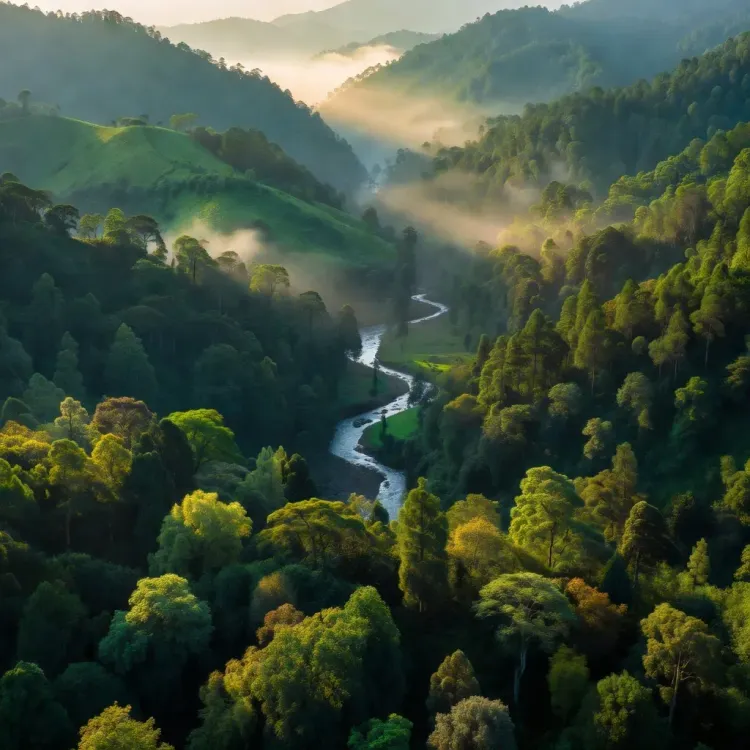
Synopsis
Chief Minister Pushkar Singh Dhami declared on 29 July 2026 that Uttarakhand will become India's national model for green development, leveraging the state's 65-percent-plus forest cover, hydropower potential and eco-tourism base to anchor a broader sustainability agenda.
Key Takeaways
CM Pushkar Singh Dhami declared on 29 July 2026 that Uttarakhand will become India's national model for green development.
Uttarakhand has over 65 percent forest cover, among the highest of any Indian state, providing a strong ecological baseline for the claim.
The state's assets include hydropower potential, biodiversity corridors and pilgrimage-based eco-tourism — all central to any green growth strategy.
The declaration aligns with India's National Action Plan on Climate Change and mirrors similar aspirational positioning by other Himalayan states.
Concrete follow-through — budget allocations, measurable renewable energy targets and formal policy documents — will determine whether the ambition translates into a replicable model.
With more than 65 percent of its land under forest cover and the Himalayas as its spine, Uttarakhand has long carried the ecological credentials others only claim. Now, Chief Minister Pushkar Singh Dhami is making it official — the state, he declared on Wednesday, 29 July 2026, will become the national model for green development.
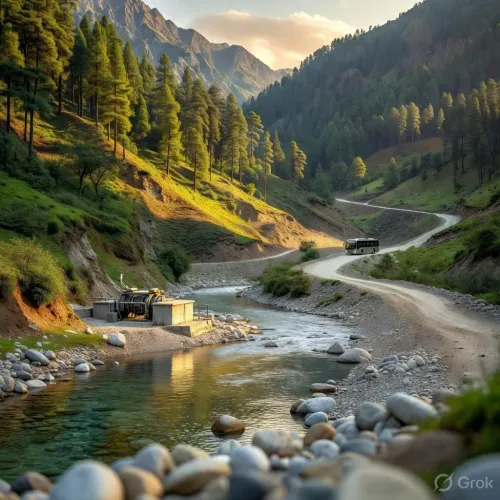
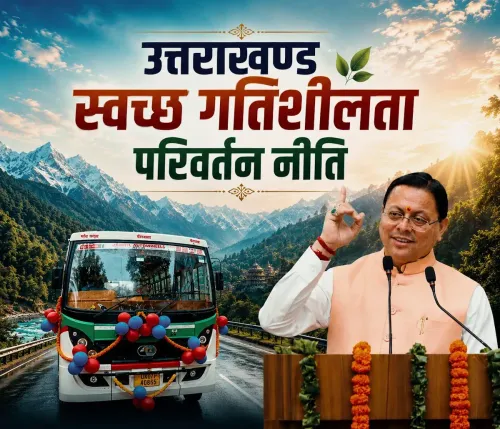
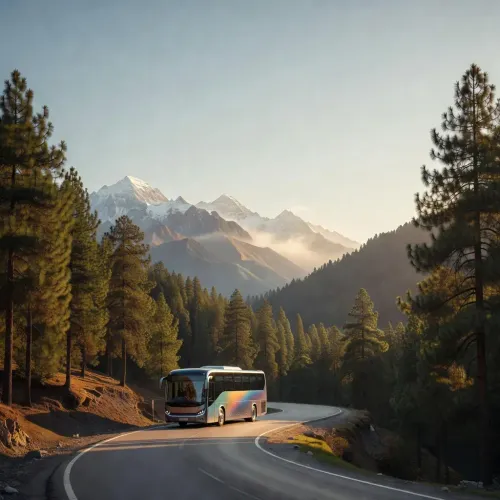
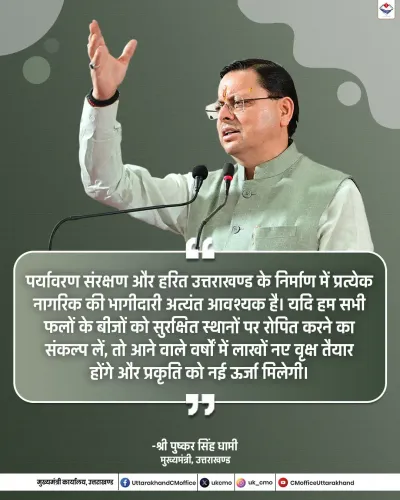
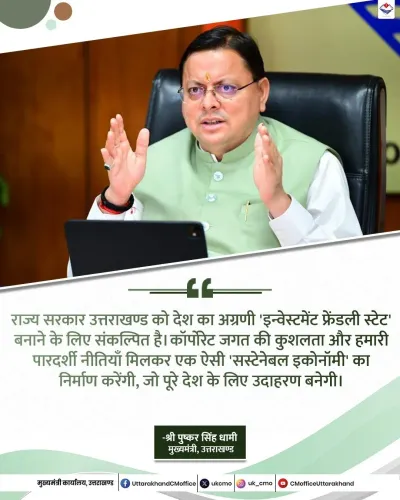
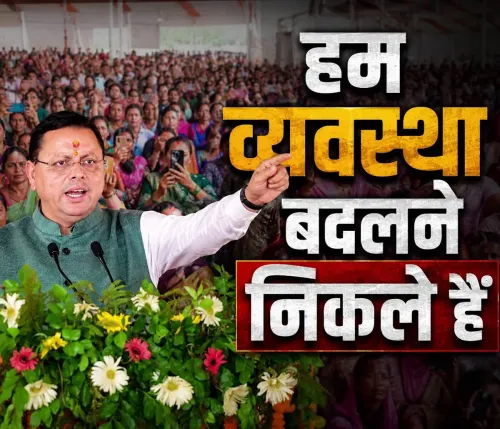
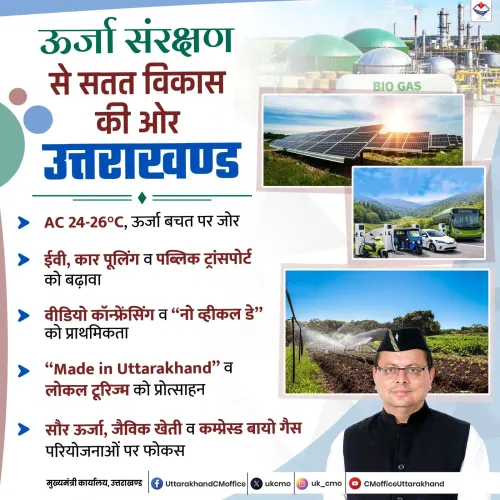
The Chief Minister's Office posted the declaration on X, quoting Dhami directly: 'उत्तराखण्ड बनेगा हरित विकास का राष्ट्रीय मॉडल' — 'Uttarakhand will become the national model of green development.' The statement was accompanied by four images, signalling a formal, curated communication rather than an offhand remark.
Why Uttarakhand's Ecological Baseline Makes the Claim Credible
The state's geography does the heavy lifting. Uttarakhand's forest cover exceeds 65 percent of its total area — one of the highest ratios among Indian states — and its river systems feed the northern plains. Its hydropower potential, biodiversity corridors and established pilgrimage-tourism economy give it a rare combination of natural capital that most states can only approximate. That foundation matters because 'green development' in Indian policy discourse is not a single lane. It spans renewable energy targets, afforestation drives, eco-tourism frameworks and climate-resilient infrastructure — all domains where Uttarakhand has existing assets to build on rather than start from scratch.Dhami's Ambition Inside a Crowded Field
Uttarakhand is not the first Himalayan state to plant this flag. Several north-eastern and hill states have issued similar aspirational positioning under India's National Action Plan on Climate Change and their own state climate action plans. The competition for the 'green model' label is real — and so is the scrutiny that follows. What will separate rhetoric from record is what comes next: state budget allocations directed at green infrastructure, new policy documents with measurable targets, and summits that produce binding commitments rather than vision statements. CM Dhami's BJP-led government, in power since 2021, has made ecological branding a recurring theme; translating that into verifiable benchmarks is the harder and more consequential step. The Himalayas are not a backdrop. If Uttarakhand delivers on this declaration, it sets a template every forest-rich Indian state will be measured against.Point of View
The ecological branding serves a dual purpose: it reinforces a governance narrative ahead of future electoral cycles and signals to investors in renewable energy and sustainable tourism. The real test is institutional — whether the state produces measurable green targets backed by budget commitments, or whether the declaration remains in the register of aspirational statecraft. If Uttarakhand follows through, it could genuinely influence how other forest-rich states frame their development priorities.
NationPress
28 Oct 2026
Frequently Asked Questions
What did CM Dhami say about Uttarakhand green development?
CM Pushkar Singh Dhami declared on 29 July 2026 that Uttarakhand will become the national model for green development in India, citing the state's natural and ecological strengths.
Why is Uttarakhand considered suitable for green development?
Uttarakhand has over 65 percent forest cover, significant hydropower resources, rich biodiversity and a well-established eco-tourism and pilgrimage economy, giving it a strong natural foundation for sustainable growth.
What is India's National Action Plan on Climate Change?
It is the central government's overarching framework guiding state and national efforts on climate mitigation and adaptation, covering areas like renewable energy, forest conservation and sustainable agriculture.
Which other states are positioning themselves as green models in India?
Several Himalayan and north-eastern states have issued similar aspirational statements under their state climate action plans, making the 'green model' space competitive among India's ecologically rich regions.
What needs to happen for Uttarakhand to actually become a green development model?
Experts and observers point to the need for concrete budget allocations, verifiable renewable energy and afforestation targets, and formal policy documents — not just aspirational declarations — to establish a replicable model.