PM Modi brands Opposition 'avrodh paksh', cites decade of obstruction on Rashtriya Ekta Diwas
Synopsis
On Sardar Patel's 151st birth anniversary, PM Modi used the Rashtriya Ekta Diwas stage at Ekta Nagar to reframe the political narrative — branding the Opposition not merely as ineffective but as constitutionally delinquent 'obstructionists'. The coinage of 'avrodh paksh' signals a deliberate escalation ahead of what is expected to be a charged political season.
Key Takeaways
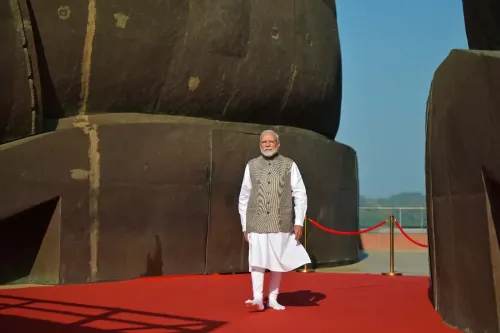
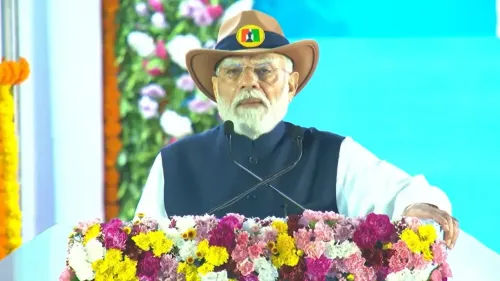
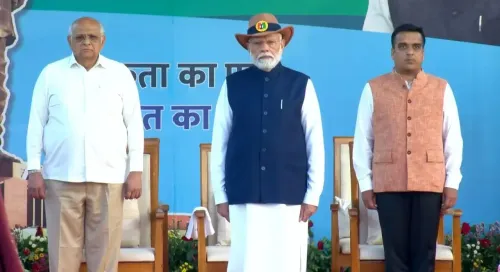
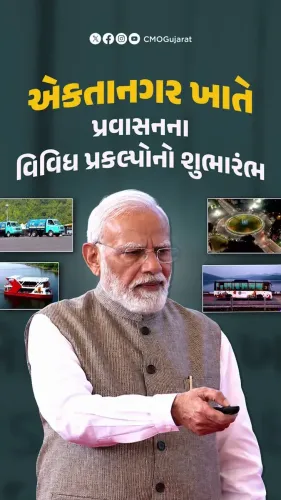
PM Modi addressed the Rashtriya Ekta Diwas gathering at Ekta Nagar, Gujarat , on 31 October 2026 .
He coined the term 'avrodh paksh' (obstructionist Opposition), alleging the Opposition had abandoned its constitutional duty.
Modi invoked Sardar Vallabhbhai Patel and B.
Ambedkar to argue both government and Opposition have defined democratic roles.
He alleged that a decade of political frustration had driven Opposition parties to obstruct national development rather than engage constructively.
The PM warned against social media misinformation campaigns aimed at damaging India's image and fracturing national unity.
Modi reaffirmed the government's target of a developed India by 2047 , the centenary of Independence.
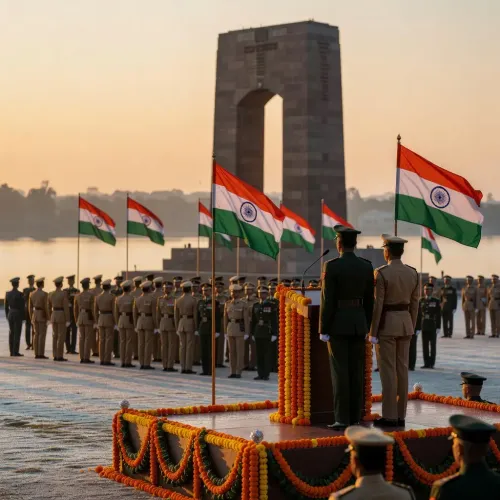
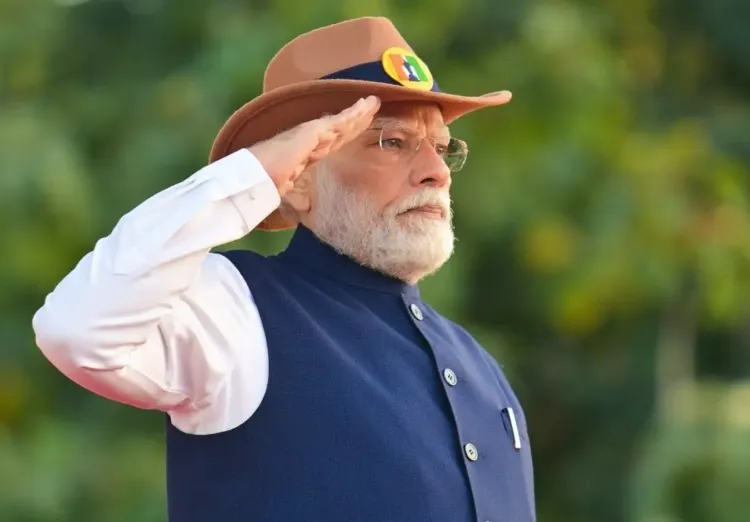
Prime Minister Narendra Modi on 31 October 2026 launched a sharp attack on the Opposition at Ekta Nagar in Gujarat, accusing it of abandoning its constitutional duty and degenerating into an 'avrodh paksh' — an obstructionist bloc — that he alleged was actively impeding the country's development. The remarks came during his address at the Rashtriya Ekta Diwas gathering marking the 151st birth anniversary of Sardar Vallabhbhai Patel.
The Charge Against the Opposition
Modi drew on the constitutional framework co-authored by Sardar Patel and B. R. Ambedkar to argue that both the ruling side and the Opposition had defined roles in a democracy. He contended that the current Opposition had abdicated that role entirely.
'In a democracy, the responsibility of the Opposition is to oppose the government's policies. But it is our misfortune that, at present, the Opposition in the country has abandoned its duty and, instead of being the Opposition, has become an obstructionist Opposition,' Modi said.
He further alleged that frustration and disappointment — accumulated over what he framed as a decade of electoral reverses — had driven Opposition parties toward obstruction rather than constructive engagement. 'This is not opposition; this is obstruction. They have made it their politics,' he added, accusing these forces of disregarding constitutional propriety.
National Unity as the Central Theme
The Prime Minister repeatedly stressed the importance of national cohesion at a moment of global turbulence. 'Unity is essential for the country's stability and progress, particularly at a time when several parts of the world are facing wars, resource shortages and disruptions in global supply chains,' he said.
Modi also alleged that certain domestic forces had attempted to sow instability by spreading falsehoods and rumours while India was navigating external pressures. He credited citizens for having 'stood together with the nation during that period.'
Warning on Misinformation and Social Media
The Prime Minister urged the public to stay alert to the use of social media as a vehicle for misinformation, warning that such campaigns were designed to damage India's image and fracture societal unity. He called for collective vigilance and a shared commitment to national development goals.
Viksit Bharat 2047 Reaffirmed
Modi concluded by reiterating the government's stated objective of a developed India by 2047, the centenary year of Independence, framing all obstacles — whether external or domestic — as challenges that the nation would overcome through unity. The occasion of Rashtriya Ekta Diwas, observed annually on Patel's birth anniversary, has in recent years served as a platform for the Centre to articulate its vision of national integration and governance.
Point of View
Borrowing constitutional legitimacy to frame the Opposition as anti-national obstructionists. The 'avrodh paksh' coinage is clearly designed to stick as a campaigning label. Yet the charge of obstruction cuts both ways: a government with a large majority that still attributes development delays to a weakened Opposition invites scrutiny of its own legislative record. The deeper question mainstream coverage tends to miss is whether the construction of a permanent narrative around Opposition sabotage is becoming a substitute for accountability on delivery.
NationPress
31 Oct 2026
Frequently Asked Questions
What did PM Modi mean by 'avrodh paksh'?
'Avrodh paksh' translates from Hindi as 'obstructionist Opposition.' Modi used the term on 31 October 2026 at Ekta Nagar to argue that the Opposition had moved beyond legitimate policy critique into deliberate obstruction of national development, abandoning what he described as its constitutional duty.
Where and why did PM Modi make these remarks?
The remarks were made at the Rashtriya Ekta Diwas function in Ekta Nagar, Gujarat, held annually on 31 October to mark the birth anniversary of Sardar Vallabhbhai Patel. Modi has used this platform in past years to articulate themes of national unity and governance.
How did Modi connect Patel and Ambedkar to his argument?
Modi invoked both Sardar Patel and B. R. Ambedkar as architects of the constitutional framework that recognised the respective roles of the ruling side and the Opposition in a democracy, using their authority to argue that the current Opposition was violating those founding principles.
What did Modi say about misinformation and social media?
Modi alleged that some domestic forces had spread falsehoods and rumours to create instability during periods of external challenge, and urged citizens to stay alert to the use of social media to damage India's image and divide society.
What is the government's long-term goal mentioned in the speech?
PM Modi reaffirmed the government's stated objective of building a developed India by 2047, when the country completes 100 years of Independence — a target the government brands as 'Viksit Bharat'.